
In this article
You’re about to drop real money on your first raft, and the fear is always the same: buying the wrong boat and finding out at the put-in. Ask around any private-boater forum and the advice comes back fast, because most first-timers chase the cheapest hull they can find and stop there. Here’s the thing the price tag hides: the cheapest boat and the easiest one to learn on are usually not the same boat. This guide ranks the best whitewater rafts for beginners by how forgiving they are to paddle, matches them to the Class I–III water you’ll actually run, and flags the cheap-but-unforgiving traps before they cost you a swim.
Here’s the quick snapshot, ranked less by price and more by how easy each boat is to learn on.
| Raft | Length | Floor Type | Best For |
|---|---|---|---|
| Saturn 13 ft | 13 ft | Self-bailing | All-around first raft, up to Class III |
| NRS Otter 130 | 13 ft | Self-bailing | Tough workhorse for Class III days |
| AIRE Super Puma | ~13 ft | Self-bailing | Forgiving premium, R2 to R4 |
| Saturn 9.6 ft | 9.6 ft | Self-bailing | Most maneuverable, solo or two paddlers |
| Sea Eagle SE330 | 11.2 ft | I-beam (not self-bailing) | Calm-to-Class III dabbler |
What Size Whitewater Raft Beginners Need
Here’s where most first-timers go wrong: they buy a 16-footer “to be safe” and spend the next two seasons fighting a boat that’s too big for the day runs they actually paddle. A bigger boat is not a safer boat for a beginner. It’s heavier to haul, pricier to rig, and slower to turn when you need it to.
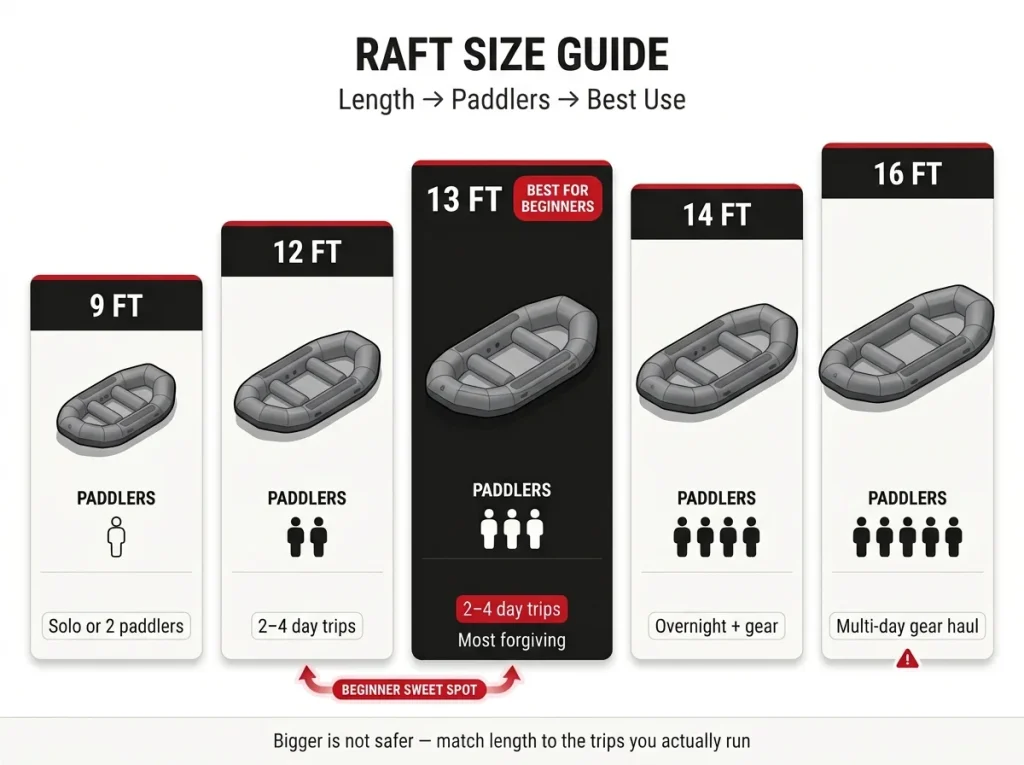
For day trips, a raft size in the 12 to 13 ft range is the sweet spot. It turns easily, forgives a late paddle stroke, and still fits two to four paddlers with room for a cooler. You only need to size up to 14 ft or bigger when you start running overnight trips and hauling gear, which is the private-boater consensus you’ll hear repeated on the Mountain Buzz first-raft threads.
Smaller does not mean less capable. A 9.5 to 13 ft boat is the easier boat to learn lines on, because maneuverability is what saves you when you read a rapid a half-second too late. Save the big oar rig for when you know you’re staying in the sport. The full breakdown lives in our raft size guide, which walks the whole 9-foot-to-16-foot range.
If you only ever plan to run day trips, buy the 12 to 13 ft boat and put the money you saved toward a good pump and a frame. A right-sized raft you can car-top alone gets used ten times more than a big boat that needs three people to carry to the water.
Why a Self-Bailing Floor Is Non-Negotiable
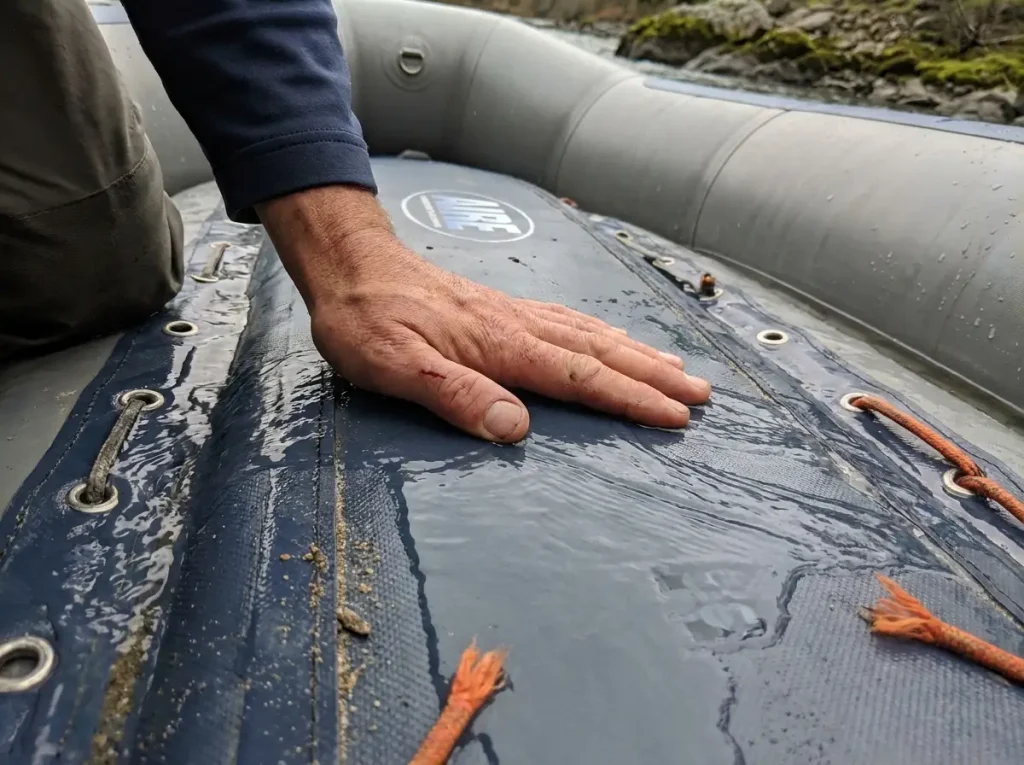
Picture taking a wave over the bow in a bucket boat. The water has nowhere to go, so now one of your paddlers is a human bilge pump, scooping instead of paddling, right when you need every blade in the water. That’s the whole argument for a self-bailing floor in one image.
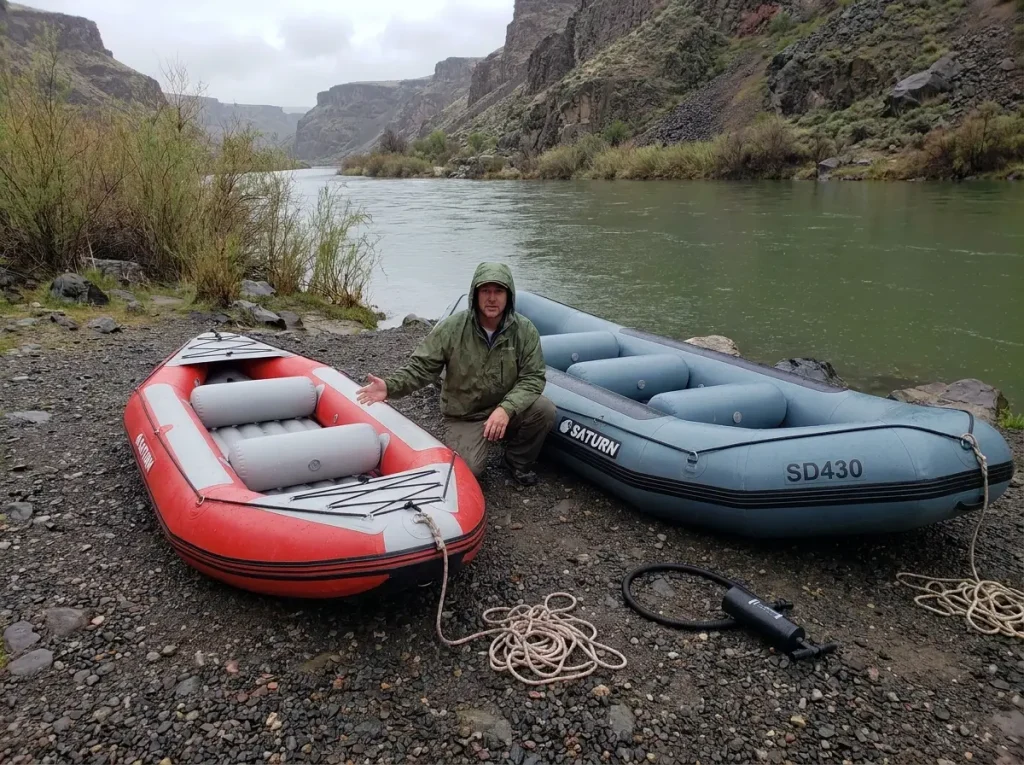
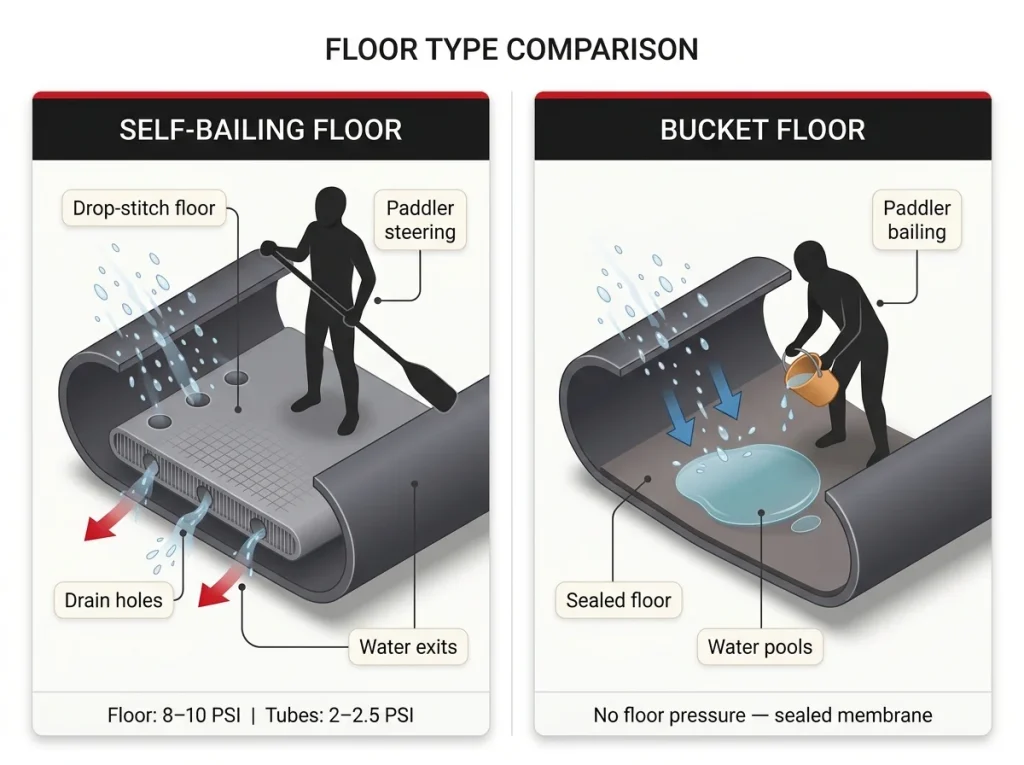
A self-bailing floor is an inflated drop-stitch deck with drain holes around the edge, so water that comes in runs straight back out. A non-self-bailing “bucket” floor is sealed and has to be hand-bailed. On real whitewater that difference is not a luxury, and Mountain Buzz veterans say the same thing over and over: a bucket boat ties up a paddler bailing water instead of steering.
There’s a second reason that matters more for a nervous beginner. A rigid inflated floor holds the boat’s shape when a wave hits, so your footing stays planted underneath you. A soft bucket floor twists and folds, and that’s what tips passengers out. The trick is that the floor runs much higher pressure than the tubes, roughly 8 to 10 psi in the floor versus 2 to 2.5 psi in the tubes, so a soft floor is the number one reason a “self-bailer” feels sluggish and bends in waves.
There’s an honest tradeoff too, which is that those drain holes sit you in cold water on mellow flows, and we get into that below. If you want the deep version, our full self-bailing vs bucket boat breakdown covers the cold-feet side in detail.
What Makes a Raft Forgiving (Material and Build)
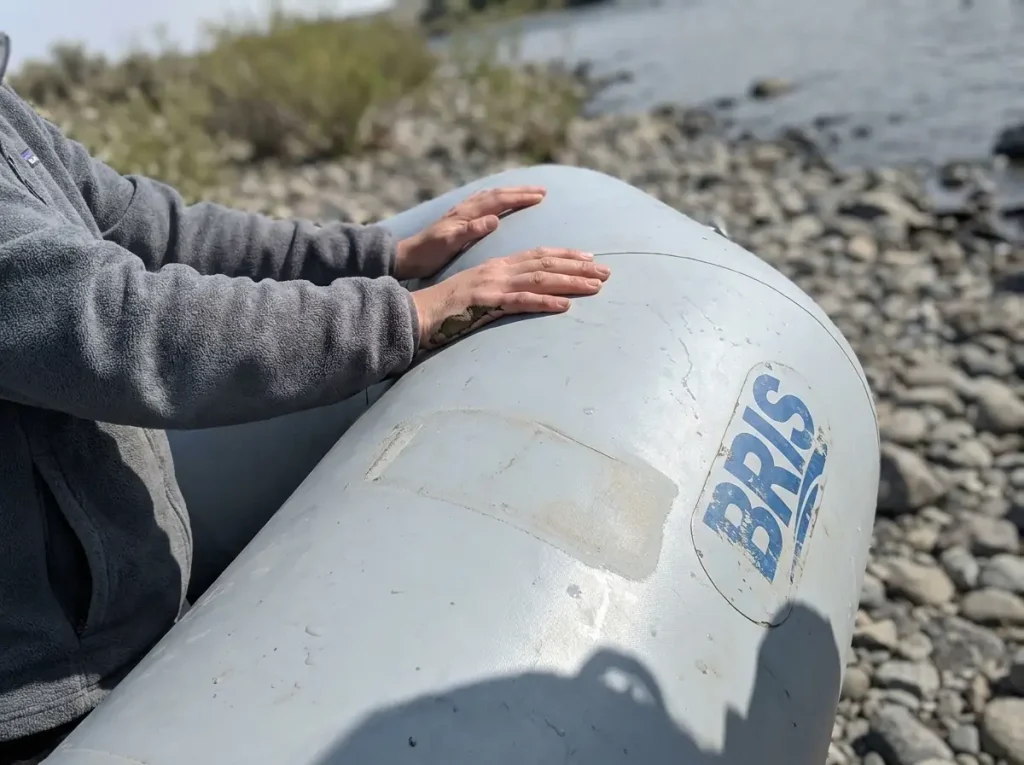
Forgiveness is not a vibe. It comes down to a few measurable things: big buoyant tube diameter, a wide stable beam, a little continuous rocker in the hull, and a rigid self-bailing floor that holds shape when a wave hits you sideways. A fat-tubed boat rides up and over a lateral that would flip a skinny one, and that’s the single mechanical reason “for beginners” exists as a category separate from “budget.”
Material sets the other half of the picture. PVC is the affordable entry fabric with solid puncture resistance for the price, it builds a perfectly good first boat, and its main weakness is that it degrades faster under UV. Hypalon and its modern equivalent, Pennel-Orca, last 15 to 25 years with care but cost a lot more up front. One point that trips up beginners reading listings: Pennel-Orca is the modern successor to DuPont’s discontinued Hypalon, the same durability class, not a cheaper substitute, as Pennel & Flipo, the maker of the Pennel-Orca fabric that replaced DuPont’s Hypalon, lays out.
So what does a beginner actually need? PVC, stored out of the sun. Don’t pay the Hypalon premium until you know the sport sticks, and if you want the side-by-side, our full PVC vs Hypalon comparison makes the call by use case. What you’re really buying is the feel river folks call “bombproof,” the boat that shrugs off a rock graze and recovers from a blown line instead of punishing it. The AIRE Super Puma and the NRS Otter are field-known for exactly that forgiving feel, which is why they show up in the picks below.
Stability vs Maneuverability (the Hull Tradeoff)
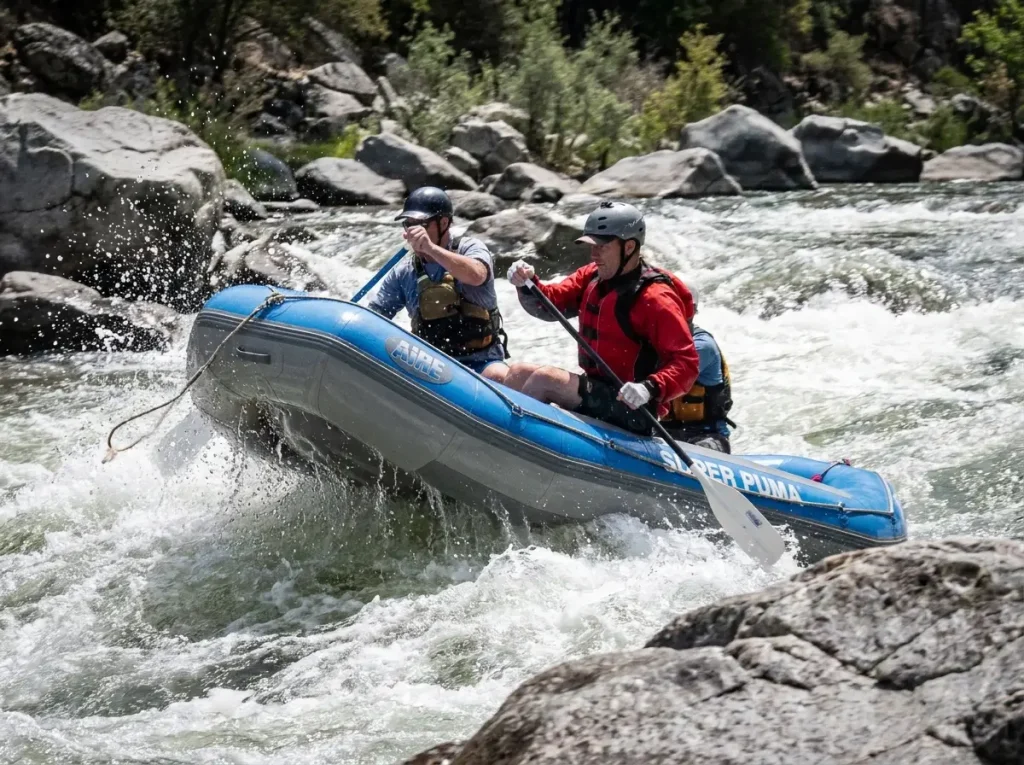
Here’s the counterintuitive truth no spec sheet tells a first-timer: the most stable boat on the water is also the one that punishes a late line. A big, long raft is a stable platform, but it’s slow to turn, so when you misread a rapid it can’t get out of its own way. The boat that forgives the mistakes beginners actually make is the nimble one.
A round, symmetrical paddle raft is the stable, forgiving, versatile platform almost every beginner should start on. Within that, the 9.5 to 13 ft boats turn quickly and let you correct a line at the last second, while bigger boats trade that quickness for raw stability. The move for a beginner is to optimize for maneuverability plus self-bailing stability first, around 12 to 13 ft, not for maximum size.
River folks call missing your intended path “blowing a line,” and you will blow a few. The right beginner hull lets you recover, or high-side into the wave, instead of flip, which is the difference between a good story at the take-out and an actual swim. Watching it happen makes it click faster than any paragraph can, so the clip below shows from inside the boat how a stable raft recovers from a sideways hit in Class II–III water.
If you can, paddle a friend’s boat before you buy. Ten minutes catching eddies in a 13-footer versus a 16-footer teaches you more about the maneuverability tradeoff than a week of reading spec sheets, and it’s free.
What River Class a Beginner Raft Should Handle
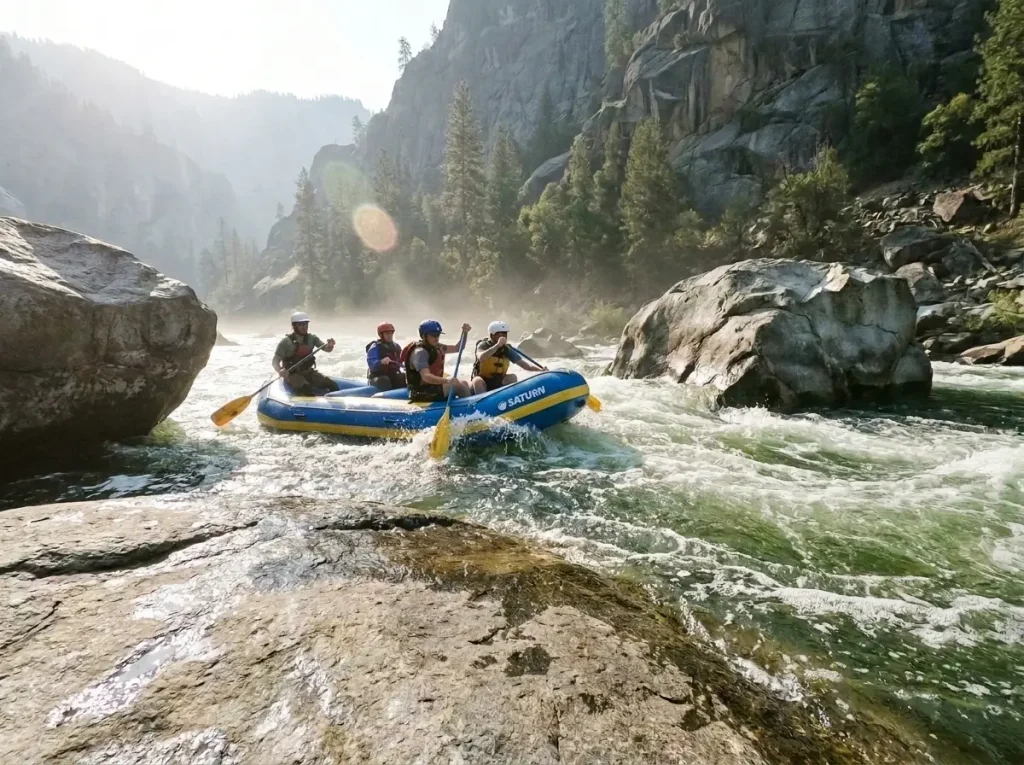
Beginners belong on Class I through III, and a first raft only needs to handle up to Class III well. Buying a boat built for Class IV–V you won’t run for years is the same oversizing mistake as buying too long, just pointed at difficulty instead of length.
Here’s what those grades actually mean, by the International Scale of River Difficulty, the Class I–VI system every American outfitter uses. Class I is riffles and small waves with no maneuvering required. Class II is clear channels with occasional maneuvering and easy self-rescue. Class III is moderate, irregular waves that can put a paddler overboard, but self-rescue is normally straightforward.
The key thing to understand is that the scale rates channel width, wave strength, obstructions, and how hard self-rescue is for a swimmer who goes overboard. It is not a measure of how scary the water looks from shore.
This is where the wrong-class-boat mistake bites. The classic one is the first-timer who takes a calm-water boat onto a Class III rapid because “it floated fine on the pond,” and we pay that off in full in the next section. Once you know your class, the other half is simply finding beginner-friendly Class I–III water and starting there, instead of stepping onto something above your level.
The Best Beginner Whitewater Rafts (Ranked by Ease)
These are the boats worth pointing a first-timer at, drawn from the same lineup in our complete guide to the best whitewater rafts and narrowed to what’s actually easy to learn on. They’re ranked by ease and river-class fit, not by lowest price, because that’s the filter that keeps you from getting burned. If your first filter is purely the budget, our best budget whitewater rafts cuts the list that way instead, and the two lists deliberately don’t lead to the same boat.
Real Self-Bailing Whitewater Rafts (the Core Beginner Picks)
This is the heart of the list: real self-bailing boats that can handle the Class I–III water beginners run, ordered roughly from most forgiving and accessible upward. For how the brands stack up on warranty and resale, how NRS, AIRE, and the other big names compare is worth a read alongside these picks.
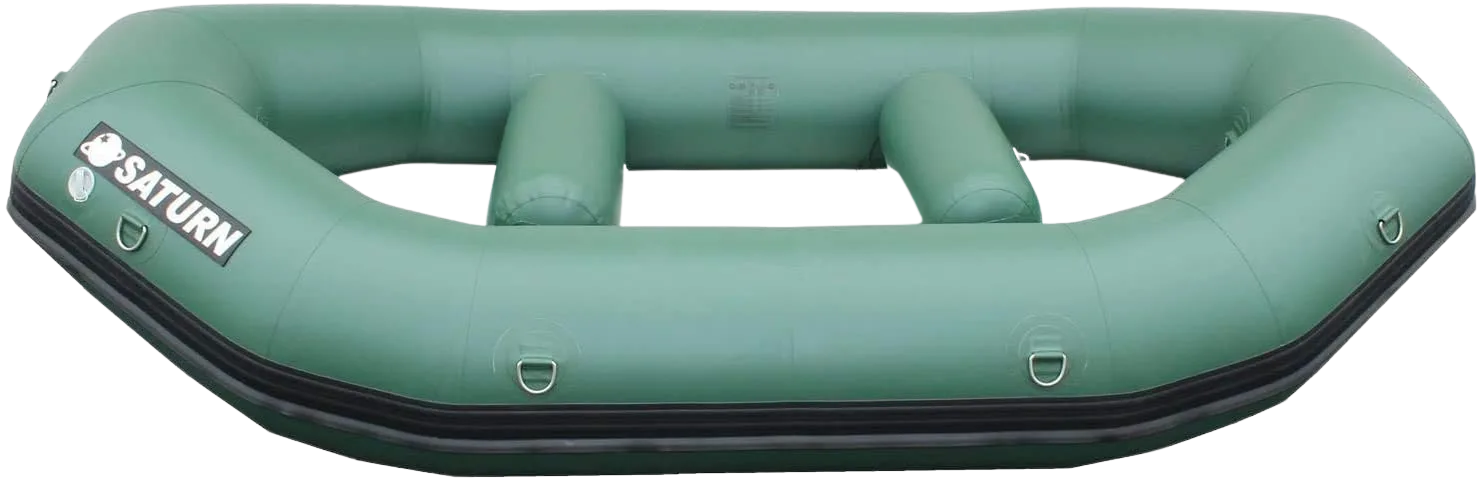
Think of the Saturn 9.6 ft as the dirt bike of the group. It won’t carry a big crew or a week of gear, but for one or two people still learning the basics of reading the water on smaller runs, the short length turns on a dime and forgives a late stroke. It’s the most affordable genuine self-bailing boat here, which makes it a smart first purchase if you’re not yet sure how deep you’ll go.
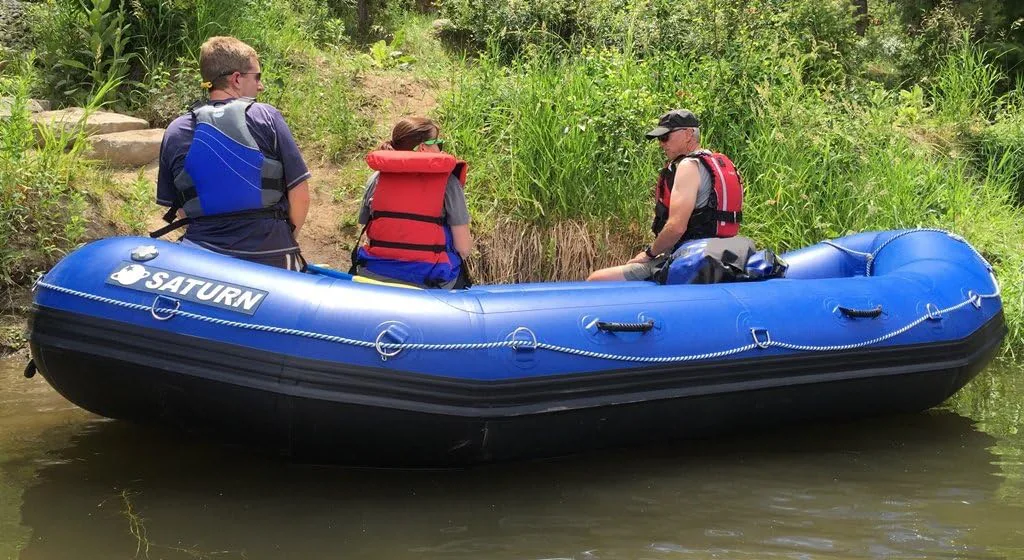
The Saturn 13 ft is the one I’d hand most first-timers. It’s the length that fits the widest range of beginner days, from a relaxed family float to a pushy Class III run, without being a chore to rig or haul. You give up some of the premium boats’ refinement, but for the money it’s hard to learn on a more sensible boat.
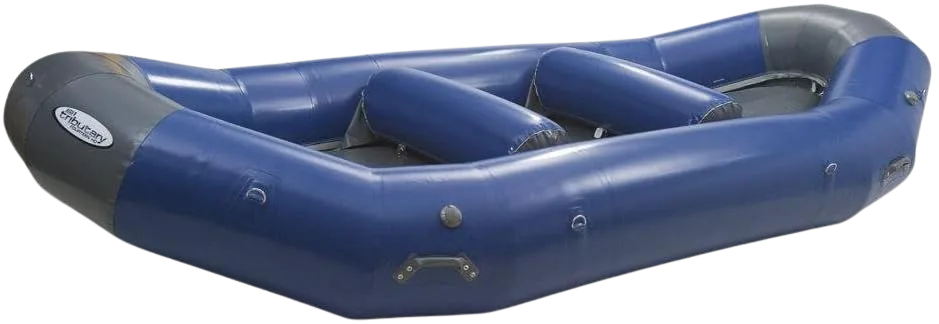
The AIRE Tributary 14′ HD is where you start paying for durability you can feel. The bigger, rounder tubes make it noticeably more forgiving in waves than a budget hull, and AIRE’s warranty support is a real reason private boaters trust the brand. At 14 ft it leans slightly toward bigger crews and lighter gear days than a 13-footer.
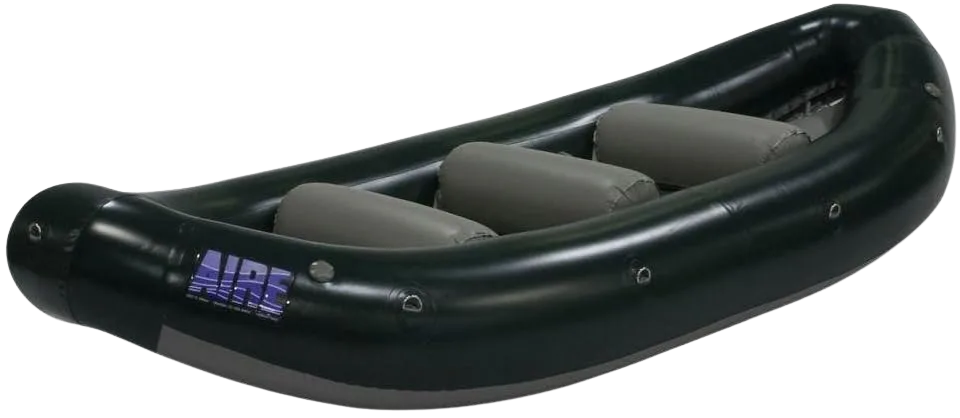
The AIRE Super Puma is the splurge that beginners rarely regret. Its hull is famous for the forgiving, recovers-from-a-blown-line feel that the forgiveness section is all about, and because AIRE boats hold resale value, the real cost of ownership is lower than the sticker suggests. If you already know rafting is your sport, this is the one to stretch for.
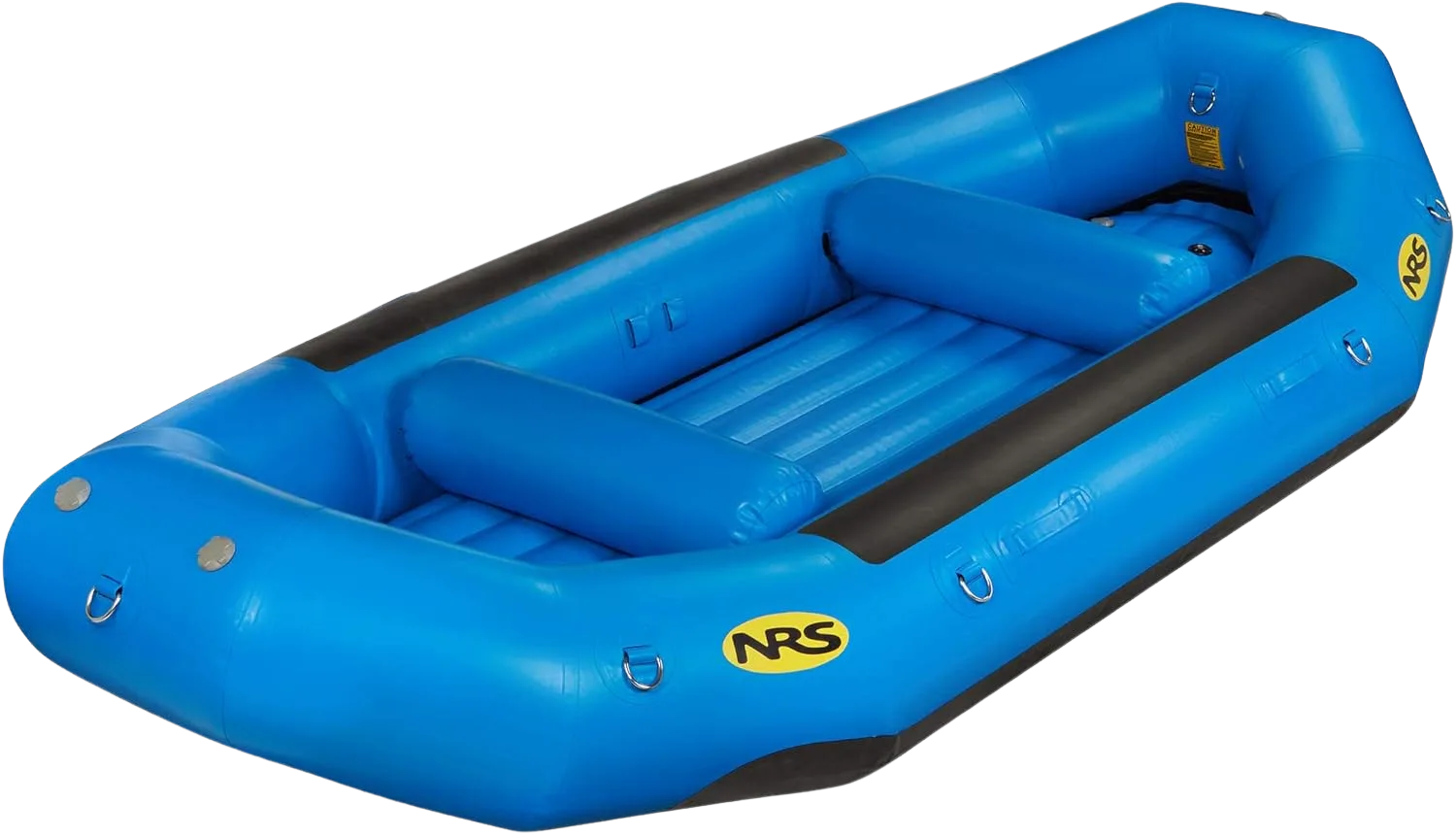
The NRS Otter 130 is the boat you see strapped to half the trucks at any popular put-in, and for good reason. It’s a rugged, stable 13-footer with the kind of customer support that matters the first time you need a part, and the resale demand stays strong. It costs more than a budget hull, but you’re buying a workhorse that earns it.
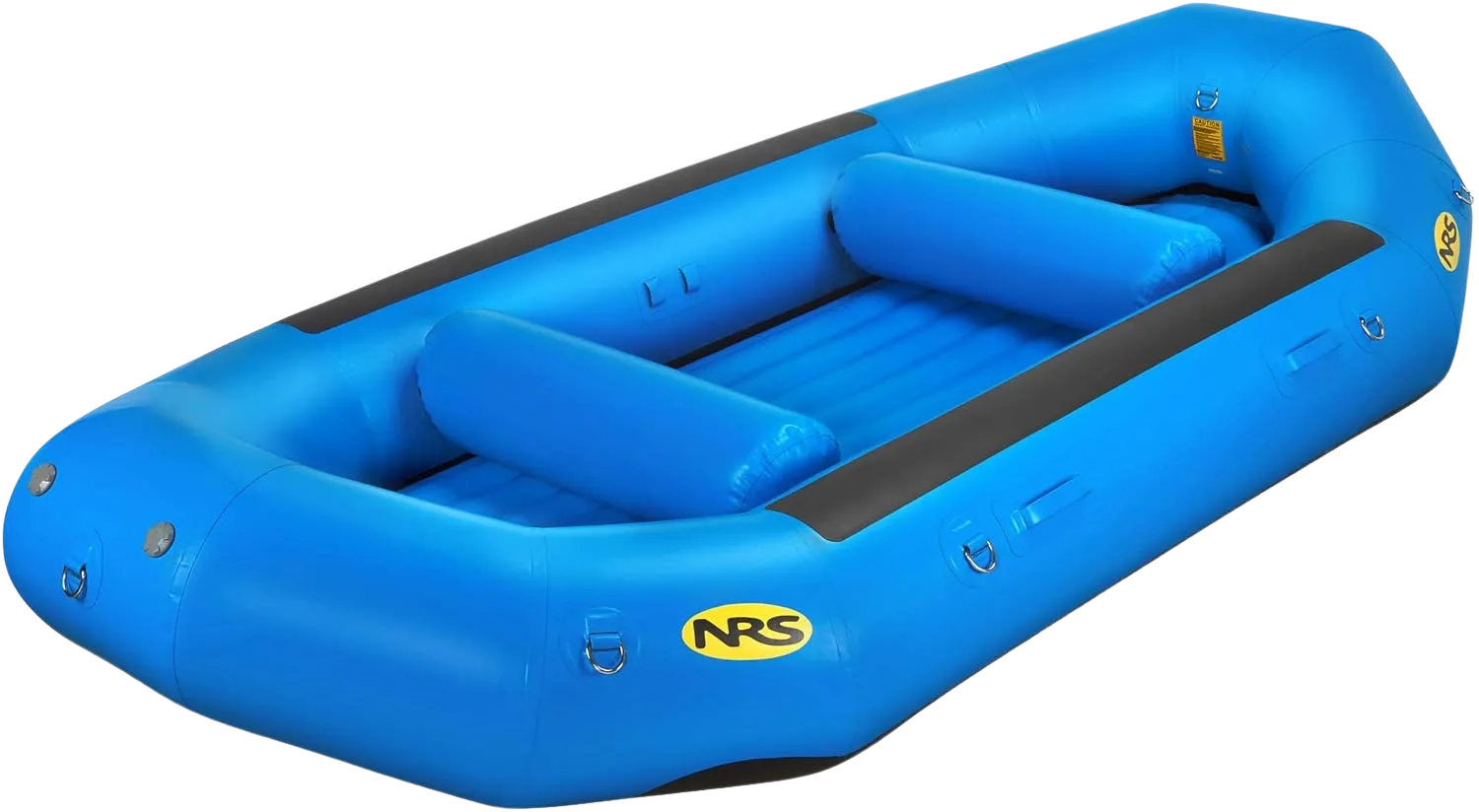
The NRS Otter 140 is the 130’s bigger sibling, and the choice comes down to who’s in your boat. If you’re regularly running four-plus paddlers or starting to carry overnight gear, the extra foot adds capacity without giving up the beginner-friendly stability. For pure day runs with two or three people, the 130 is the livelier ride.
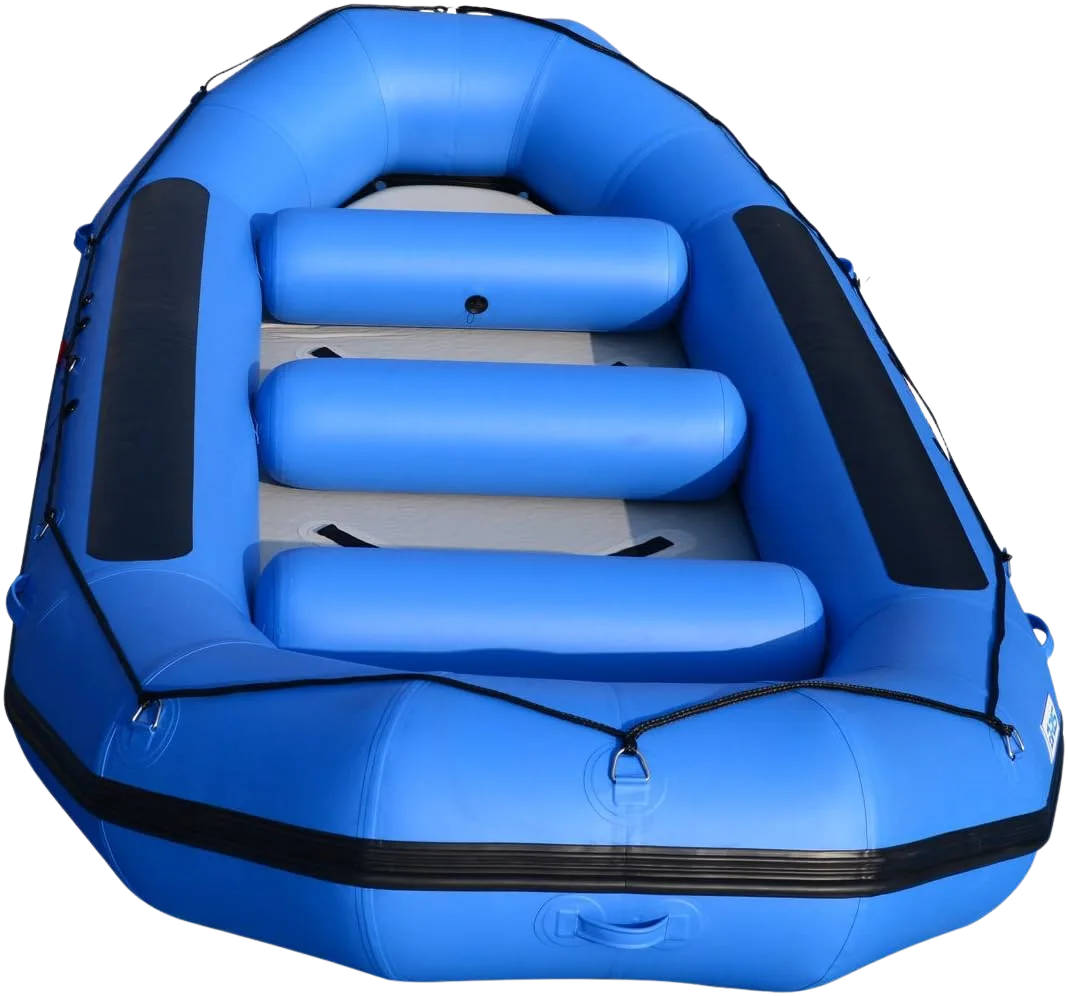
The BRIS BRF450 earns its spot on capacity-per-dollar, not on finesse. If you need to float a bigger group and the budget is tight, it gets a lot of boat on the water cheaply. Just go in clear-eyed: it doesn’t have the forgiving hull or the long-haul durability of the AIRE and NRS boats, which is exactly the cheapest-isn’t-easiest line this whole guide is built around.
Entry-Tier Dabblers (Calm-to-Class III, Before You Commit)
Not everyone is ready to buy a full self-bailing raft, and that’s fine. These two consumer boats are honest ways to test moving water before you commit real money, as long as you respect their ceiling. They are not real-rapid rafts, and if you’re leaning this direction, compare them against the inflatable kayak route too.
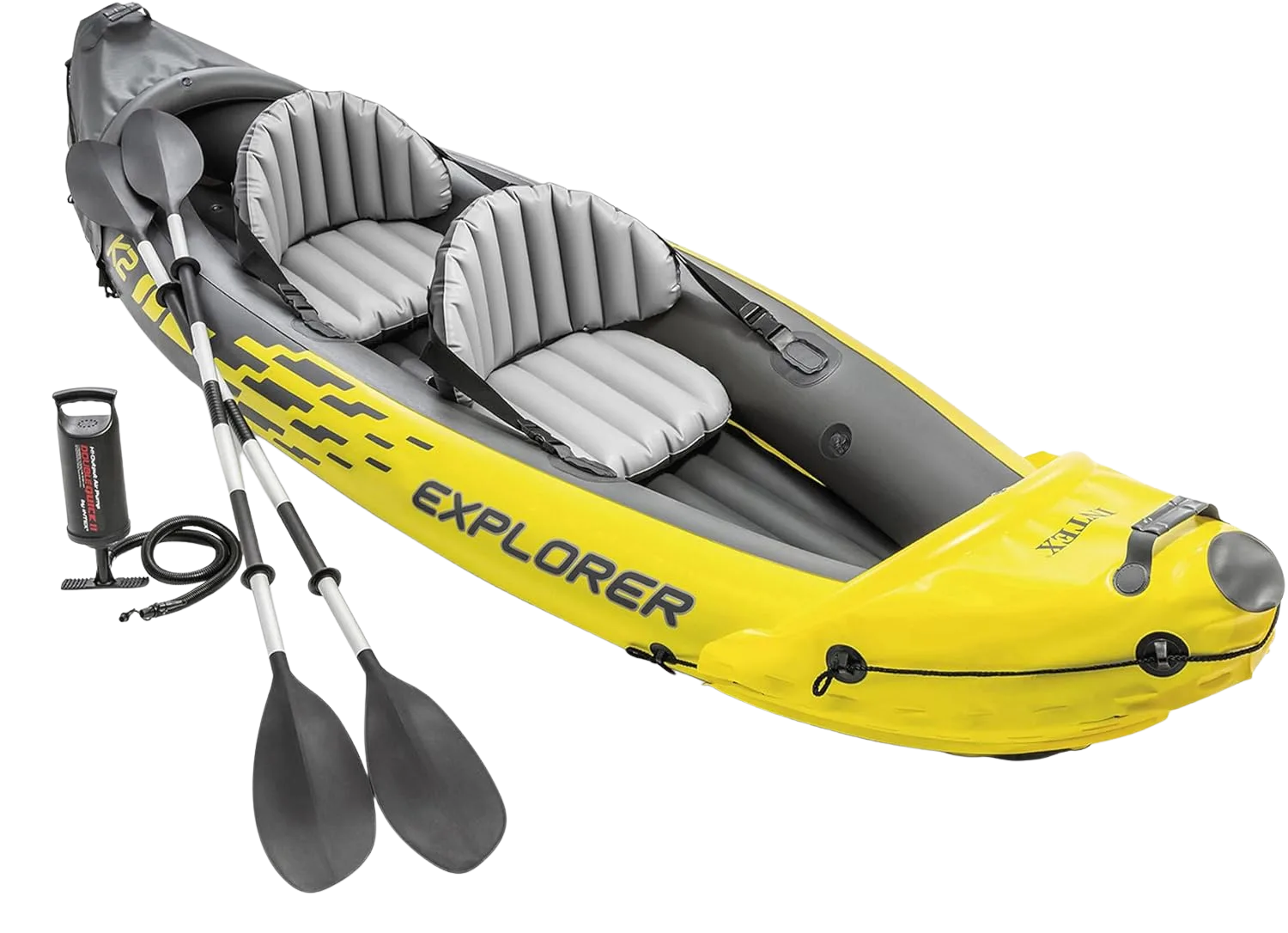
The Intex Excursion Pro K2 is a reasonable way to spend a summer learning whether you even like being on moving water. On flatwater and gentle current it’s genuinely fun and easy to paddle. The hard line is this: it’s a calm-water boat, and taking it into a real rapid is the wrong-class mistake we keep flagging.
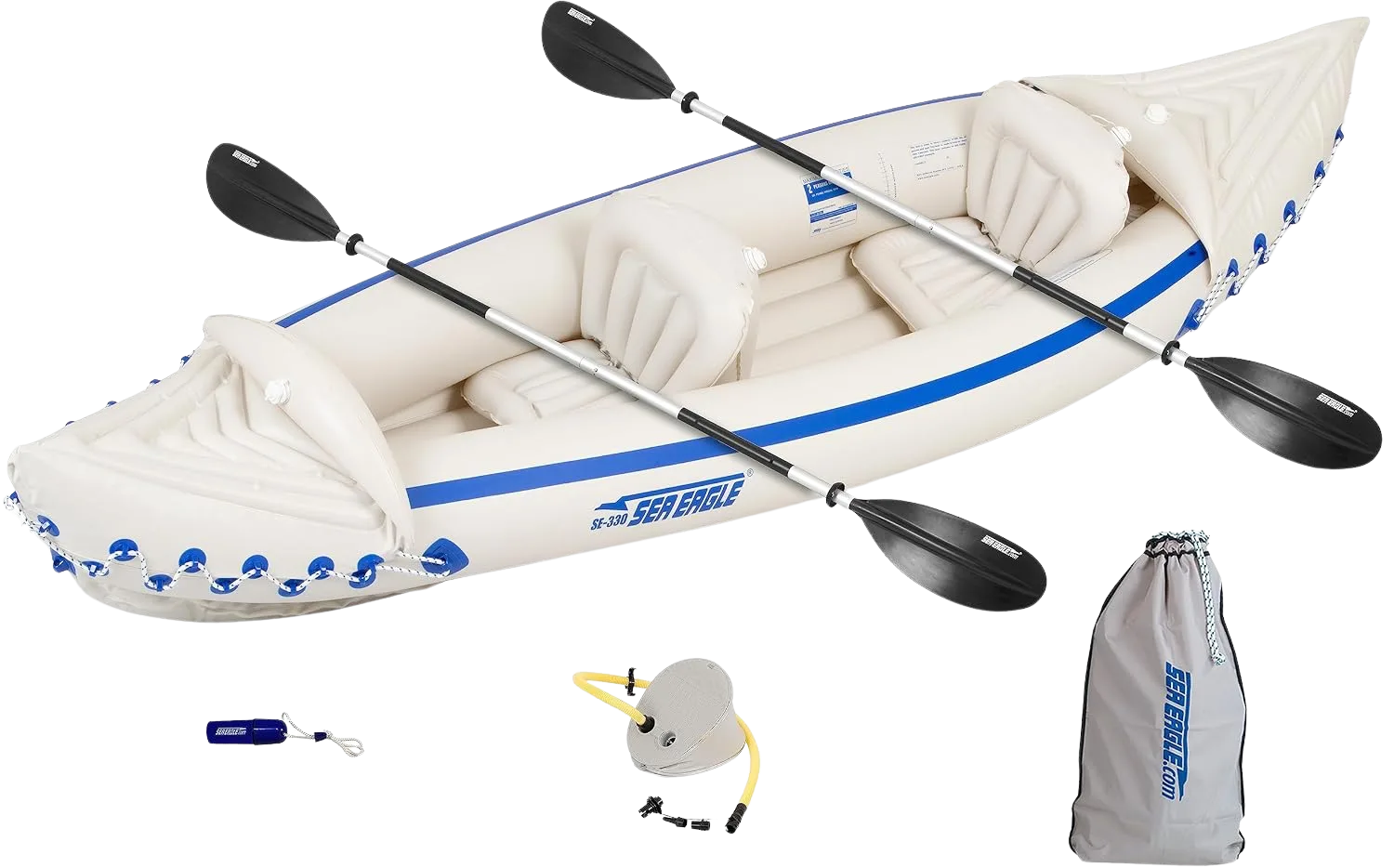
The Sea Eagle SE330 is the most portable boat on the list, light enough to carry to the water by yourself and marketed to handle up to Class III. Treat that ceiling as a maximum, not a goal. It’s a smart, low-commitment way to learn what you want in a real boat, and the 3-year warranty takes some of the risk out of the entry price.
A higher-quality used raft with professional-grade patches beats a new cheap boat almost every time. Just confirm the patches are real shop work, not driveway repairs, before you hand over cash. A well-kept used NRS or AIRE often costs less than a new budget hull and paddles far better.
The True Cost of a Complete Rig (and Rookie Mistakes)
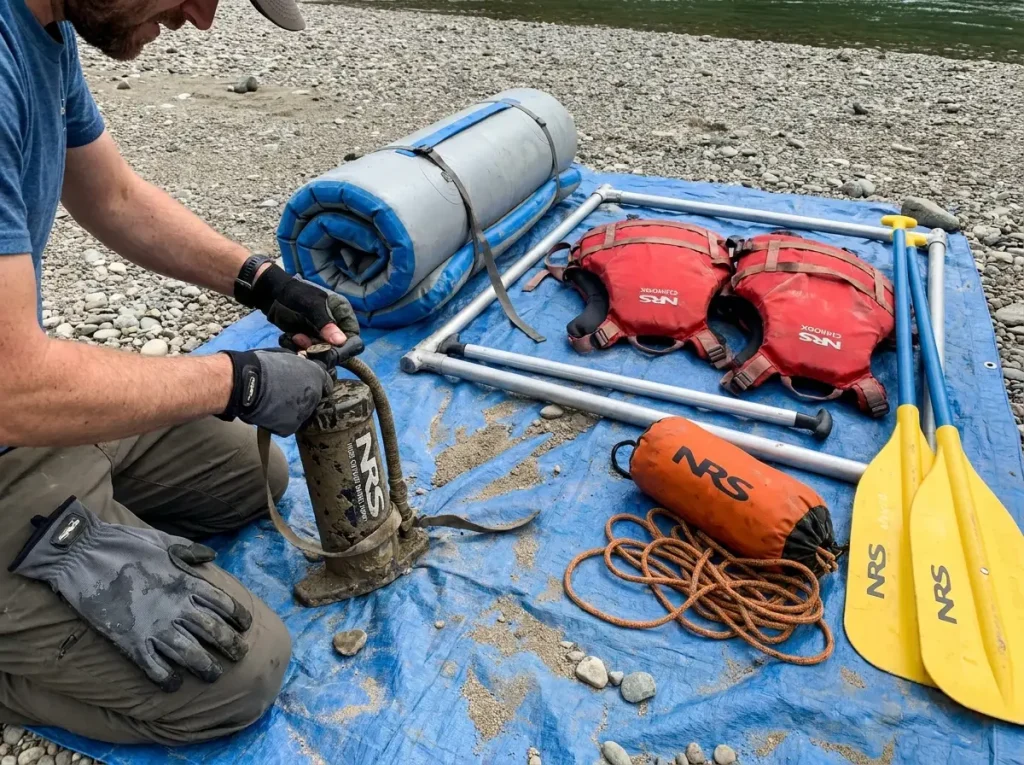
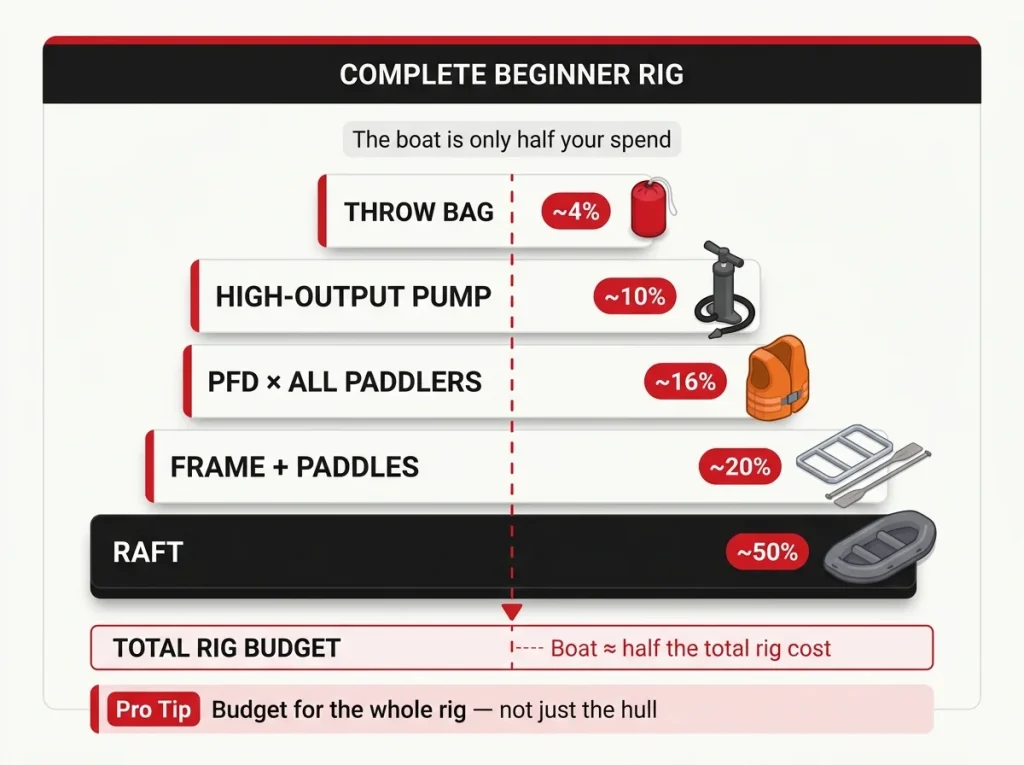
The boat is maybe half of what you’ll spend to get on the water, and the sticker shock catches a lot of first-timers off guard. A complete rig adds a high-output pump, a frame with oars and/or paddles, and a personal flotation device for every single person aboard. Our full rafting gear checklist by river class lays out what’s actually required versus what can wait, so budget for the whole package, not just the hull.
Now the mistakes, starting with the one that bites everyone. Under-inflation is the number one first-season performance killer, and it usually happens at the floor. Remember those numbers: the self-bailing floor wants roughly 8 to 10 psi while the tubes only need 2 to 2.5 psi, so people pump the tubes firm, call it good, and never get the floor hard. A soft floor makes a good raft feel sluggish and bend in waves, which a beginner then blames on the boat.
The second mistake is the wrong-class boat, and it’s the one that actually hurts people. A consumer vinyl kayak-raft like an Intex or a Sea Eagle has a Class I–III ceiling and simply cannot do what a real self-bailing PVC raft does. Taking a calm-water boat into a serious rapid because it “floated fine on the pond” is how a fun day turns into a swim you didn’t plan. Match the boat to the water, every time.
There’s one more honest tradeoff to plan for. A self-bailing floor sits you in cold water on mellow or low flows, because when the level (measured in CFS) drops, the drain holes let water in faster than you flush it out by pushing through waves. That’s not a defect, it’s the deal you make for a self-draining boat, so dress for wet feet and cold legs even on easy runs.
Buying used? Inflate the boat fully, spray it down with a bottle of soapy water, and watch for bubbles. Leaks show themselves immediately. Treat the whole thing like a used car and, if you can, have a raft shop look it over for soft seams or amateur patch jobs before you pay.
Conclusion
Rank your first raft by how easy it is to learn on, not by the lowest price tag. A fat-tubed, self-bailing 12 to 13 ft boat forgives the late lines and blown moves you’re actually going to make, and that forgiveness is worth more than the few dollars you’d save on an unforgiving budget hull.
Match the boat to the water you’ll really run, which for a beginner means Class I through III, and buy for that, not for the Class IV you’re dreaming about. Then budget for the whole rig, keep that floor pumped hard, and respect the cold.
Next time you’re at a put-in, take a look at what the experienced private boaters are running and ask them why they chose it. The answers map straight onto this list, and that two-minute conversation will teach you more than any spec sheet.
Frequently Asked Questions
01What size whitewater raft is best for beginners?
For day trips, a 12 to 13 ft self-bailing raft is the sweet spot. It’s nimble enough to forgive a late line and big enough for two to four paddlers. Size up to 14 ft or more only when you start running overnight trips with gear.
02Do you really need a self-bailing raft for whitewater?
Yes. A self-bailing floor drains itself so everyone keeps paddling, and the rigid inflated floor holds the hull’s shape when a wave hits. A bucket boat ties up a paddler bailing water instead of steering the boat.
03Can you use an Intex or Sea Eagle raft for real whitewater?
Only at the bottom of the scale. Consumer vinyl kayak-rafts are fine for calm-to-mild moving water, roughly up to Class III for the Sea Eagle SE330, but they aren’t real self-bailing rafts. Taking one into a serious rapid is the classic beginner mistake.
04Is a used raft a smart first raft for a beginner?
It can be the best value out there, if you inspect it right. Inflate it fully, spray it with soapy water and watch for bubbles, and confirm any patches are professional-grade rather than driveway repairs. Treat the whole thing like buying a used car.
05How much does a complete beginner raft setup cost?
Budget well beyond the boat. A complete rig adds a high-output pump, a frame and/or paddles, and a PFD for every person, which together often rival the cost of the raft itself. Plan for the whole package, not just the hull.