


In this article
The thunderous roar of the Brahmaputra carving its path through the untouched, dense rainforest of Arunachal Pradesh, a wall of big volume white water moving with the force of a continent behind it. Picture the surreal sight of a turquoise Zanskar cutting through a sheer, thousand-foot gorge in Ladakh, so remote that the river itself is the only highway. These are not just trips; they are ultimate whitewater rafting journeys to the rooftop of the world, a trip of a lifetime where the Himalayan rivers are arteries flowing from the planet’s heart.
This guide moves beyond simple lists. It is a masterclass, designed to equip you with the foundational whitewater knowledge to decode river challenges, understand expedition safety protocols, and select the perfect Himalayan rafting expedition in India or Nepal for your skill and ambition. We’ll build your expertise from the ground up, transforming you from a curious traveler into a confident, educated planner ready for an incredible river journey.
First, we’ll assemble your Rafter’s Toolkit, mastering everything from river classifications to the non-negotiable science of high-altitude acclimatization. Next, we’ll explore The Expeditions, diving into detailed, data-backed profiles of the premier rafting journeys, framed within a unique “Commitment Spectrum.” Finally, we’ll cover The Logistics, giving you actionable, expert-level guidance on packing, permits, and practicing the responsible rafting and conservation that protects these sacred spaces.
This is where your bucket list becomes a blueprint for true competence. Let’s get started.
The Rafter’s Essential Toolkit: How Do You Master the Himalayan River Environment?
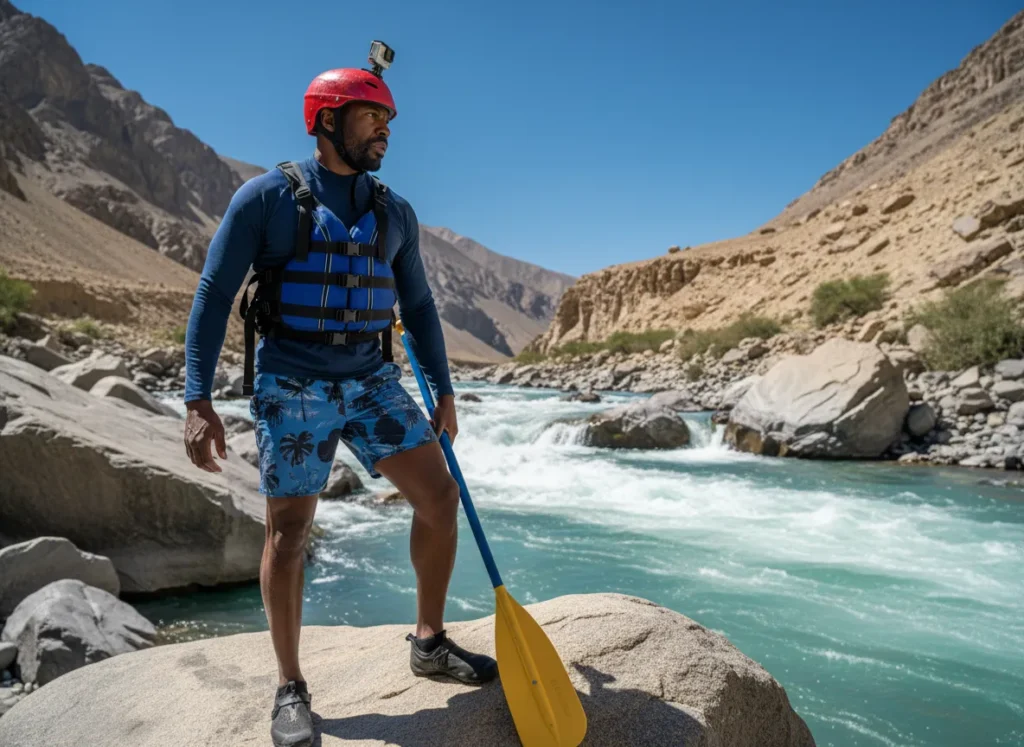
Before you ever dip a paddle in the water, the real work begins. The Himalayan mountains demand respect, and that respect is paid through knowledge. This section provides the foundational, non-negotiable understanding that transforms a passive passenger into a confident, capable member of an expedition team, ready to evaluate and engage with the environment.
How Do You Decode the Challenge of a Himalayan River?
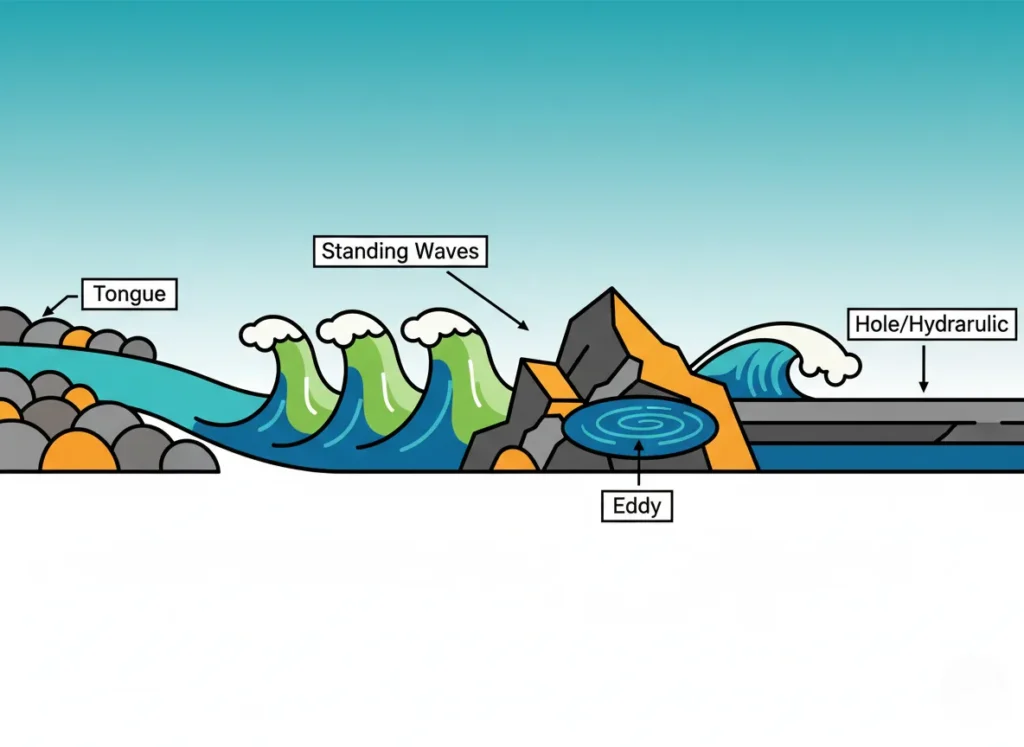
Every snow-fed Himalayan river speaks its own language, a dialect of currents, waves, and obstacles. The universal system for translating this language is the International Scale of River Difficulty, which outlines the core river classifications. It grades a river’s technical challenge from Class I to Class VI. The early grades, Class I (Easy) and Class II (Novice), represent moving water with small waves and clear channels, requiring basic maneuvering. As you progress to Class III (Intermediate), the river begins to ask serious questions. You’ll encounter moderate, irregular waves that can be hard to avoid, demanding good boat control in faster currents and through tighter passages. This is the grade you’ll find on popular stretches of the Ganges River in Rishikesh, with famous rapids like Golf Course, and it’s often the starting point for true whitewater adventure.
The game changes entirely at Class IV (Advanced). These are intense, powerful rapids that require precise boat handling, fast maneuvers, and reliable eddy turns to navigate successfully. A swim here is not a casual event; self-rescue is difficult, and the consequences are real. Class V (Expert) takes this to another level, presenting extremely long, obstructed, or violent rapids where the risk is significant and rescue is a complex operation, even for expert teams. Finally, Class VI (Extreme/Exploratory) represents the absolute limits of navigability, where a mistake has severe consequences and rescue may be impossible. These are untamed rivers at the edge of what’s possible.
Pro-Tip: A river’s classification is not just a number; it’s a dynamic rating dependent on water volume, measured in cubic feet per second (CFS). A Class IV rapid on a high-volume river like the Brahmaputra feels completely different from a Class IV on a low-volume, technical river. The first is a test of power and big-wave navigation; the second is a technical chess match of precise maneuvering. Always ask your outfitter, “Class IV at what water level?” to understand the river’s true character for your trip.
Crucially, rapid grades are not static. They shift with seasonal planning and water levels. Understanding a river’s grade is the first step, but the Himalayan context adds another critical challenge before you even touch the water: altitude. For a complete picture of what you might face, it’s worth understanding the full spectrum of river hazards.
What Does High-Altitude Preparedness for Ladakh Truly Involve?
On a high-altitude expedition in the Zanskar Valley, the first and most formidable challenge isn’t on the river—it’s in the air you breathe. Leh, the gateway to Western Ladakh, sits at 3,500 meters (11,500 feet), an altitude where the atmosphere has 40% fewer oxygen molecules per breath. Your body needs time to adapt, and this process is physiological, not a matter of fitness or willpower. To ensure safety, the Leh Ladakh Autonomous Hill Development Council (LAHDC) mandates a strict 48-hour (2-day) acclimatization period for all visitors arriving by air. On Day 1, complete physical rest is non-negotiable. Your only job is to consume light meals, drink 2-3 liters of water, and strictly avoid alcohol and smoking. On Day 2, you can undertake light activity, following the mountaineer’s principle of “climb high, sleep low.” A gentle walk up to a higher point like Shanti Stupa, followed by rest at your lower-altitude hotel, is the recommended practice.
This period is critical for monitoring for signs of Acute Mountain Sickness (AMS), which can manifest as a headache, nausea, breathlessness, and loss of appetite. Ignoring these symptoms is dangerous. If they become moderate to severe, the only cure is immediate descent and medical consultation, as AMS can escalate into life-threatening conditions. While some official advice includes preventative medication like Acetazolamide (Diamox), this is a decision that must be made in consultation with your personal physician before you travel. A simple pulse oximeter can be a valuable tool for monitoring blood oxygen saturation (SpO2); a sustained reading below 90% is a significant risk indicator and a clear signal to take action.
Pro-Tip: Pay close attention to your mood. One of the earliest and most overlooked signs of AMS is uncharacteristic irritability or a feeling of being “off.” If you or a teammate seems unusually grumpy, quiet, or is complaining of a persistent, dull headache they’re trying to ignore, take it seriously. It’s often the first whisper from your body that it’s struggling with the altitude.
For authoritative guidance, always refer to the official Leh District Health Advisory, which provides the government-mandated protocols. Once you’ve managed the atmospheric environment, it’s time to learn the language of the river itself.
How Does a Professional Safety System on a River Actually Work?
On a serious expedition, safety is not a promise; it’s a system. It’s a multi-layered, proactive protocol that begins the moment you meet your IRF certified instructors and expert guides. The first layer is your mandatory personal safety equipment: a properly fitted PFD (life jacket), paddles, and a helmet. The next is the inflatable raft itself, equipped with on-board rescue gear including throw bags for rescuing swimmers, flip lines for righting an overturned boat, and a comprehensive first-aid kit. Every trip begins with a thorough pre-trip safety briefing, where you’ll learn and practice paddle commands, defensive swimming positions, and other emergency procedures. It’s not a lecture; it’s your first drill.
The cornerstone of this system, however, is a person: the Safety Kayaker. These are not just skilled paddlers; they are the river’s guardians. They patrol the rapids, acting as the first line of defense for any swimmer. They are professionally certified as Whitewater Rescue Technicians (WRT) and trained in Wilderness First-Aid, capable of providing immediate, mobile assistance exactly where it’s needed. On the biggest rivers, this system evolves further with the “safety cataraft.” This larger, oar-powered craft has the power to overcome strong currents with a swimmer in tow and can rescue multiple people at once, showcasing an insider’s understanding of global whitewater safety principles.
This professional standard is benchmarked globally. The best outfitters adhere to qualifications outlined by the International Rafting Federation Guide Training System, ensuring your guides are certified at the highest level. Equipped with this foundational knowledge, you are now ready to intelligently evaluate the expeditions themselves and what it takes for building a comprehensive river rescue kit.
The Ultimate Himalayan River Expeditions: Which Journey Fits Your Commitment Level?
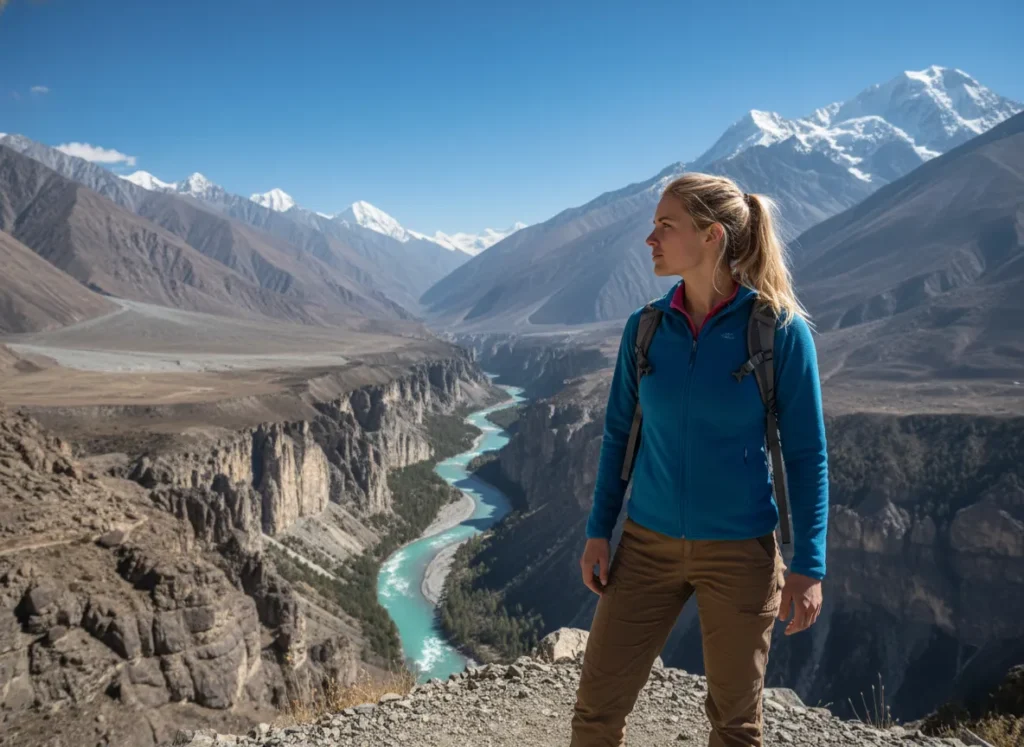
Choosing from the many Himalayan rivers is less about finding the “best” one and more about finding the one that’s right for you. This section provides detailed, data-backed itineraries and profiles of the top rafting expeditions, framed within a “Commitment Spectrum” to help you self-select based on your time, skill, and appetite for adventure.
The Titans of India: Zanskar & Brahmaputra
For those seeking the pinnacle of high-altitude wilderness, the Zanskar River, the “Grand Canyon of the Himalayas,” is the quintessential journey. This is a 5-7 day, self-contained multi-day expedition through a remote, arid gorge in the Zanskar Valley of Western Ladakh. Defined by challenging Class III-IV+ rapids, this river trip begins near Padum and carves its way through the sheer Zanskar gorge to the confluence with the Indus River at Nimo. The commitment begins long before the river, with a mandatory 3-day acclimatization in Leh. The rewards are otherworldly: paddling through impressive gorges, camping on vast sandy beaches, and experiencing one of the planet’s most stunning landscapes. This expedition is for experienced rafters prepared for true remoteness and cold water.
If the Zanskar is a journey into rock and sky, the Brahmaputra River is a journey into water and jungle—an untamed beast. Locally known as the Siang River as it enters from Tibet, this is one of the world’s premier expeditions. This rafting expedition is a descent from Tuting to Pasighat in the remote, tribal heartland of Arunachal Pradesh. The trip is defined by powerful, continuous rapids up to Class V and the logistical challenge of a multi-day drive through dense rainforest. Special permits (Protected Area Permits) are required. The experience is profound, featuring the stunning Marmong Gorge shadowed by the snow-capped peak of Namche Barwa, a mandatory portage around the unrunnable Class VI ‘Toothfairy’ rapid, and unique cultural immersion with Adi tribal settlements. This is a true adventure for expert rafters with previous experience.
The Legends of Nepal: Sun Koshi & Trishuli
While India’s titans offer high-altitude and high-adrenaline challenges, Nepal’s legendary rivers provide classic, long-duration journeys. The Sun Koshi River, or “River of Gold,” is consistently ranked by sources like National Geographic among the world’s top ten classic river trips. This 8-10 day, self-contained expedition begins at the start point of Dolalghat and offers a complete cross-section of Nepal, ending at Chatara near the Indian border. The river’s genius lies in its progression; it builds slowly from Class III to powerful Class V rapids over its 270 km length as it cuts through the Mahabharat Range. Known for its world-class rapids, warm water, and beautiful white sandy beaches perfect for river side camping, this trip is ideal for intermediate to advanced rafters looking for a long, classic expedition.
At the other end of the spectrum is the Trishuli River, Nepal’s most popular and accessible river rafting adventure. Perfect for a short rafting trip of 1-2 days, it flows alongside the main highway, easily reachable from Kathmandu, Pokhara, or as a stopover on the way to Chitwan National Park for a wildlife safari. It offers exciting and fun Class III/III+ rapids without the logistical commitment of a full expedition. For beginners, a family trip, or travellers with limited time, it’s a perfect shot of adrenaline. During the monsoon season, the river swells into a powerful Class IV+ torrent, offering a much more challenging experience for advanced rafters.
With the expeditions detailed, the final piece of the puzzle is mastering the practical details of execution.
Comparative Analysis Table: Choosing Your Himalayan Expedition
To make an informed choice, you need to see the data side-by-side. This comparison of rafting rivers frames the options along a “Commitment Spectrum,” guiding you from asking “Which river is best?” to the more productive question, “What level of commitment am I ready for?”
Rafting Rivers Comparison
Choose your adventure from these iconic rivers in India and Nepal
Trip Overview
Character: High-Altitude Desert Canyon
Location: Ladakh, India
Typical Duration: 10-12 Days (incl.)
On-River Days: 5-7 days
Challenge & Best For
Difficulty Grade: Class III-IV
Best Season: July – September
Key Challenge: Altitude & Remoteness
Accessibility: Difficult
Best For: Seasoned rafters seeking remoteness and high-altitude scenery, style challenge.
Trip Overview
Character: High-Volume Jungle Expedition
Location: Arunachal Pradesh, India
Typical Duration: 12-14 Days (incl.)
On-River Days: 7-8 days
Challenge & Best For
Difficulty Grade: Class IV-V
Best Season: November – February
Key Challenge: Big Volume & Logistics
Accessibility: Very Difficult
Best For: Expert rafters seeking an intense/big-volume, expedition-style challenge.
Trip Overview
Character: Classic, Progressive Expedition
Location: Eastern Nepal
Typical Duration: 8-10 days
On-River Days: 8-10 days
Challenge & Best For
Difficulty Grade: Class III-V (Progressive)
Best Season: September & November – Oct-Dec & Feb-May
Key Challenge: Commitment
Accessibility: Moderate
Best For: Intermediate/Advanced Beginners, families, or beginners seeking a long, classic river journey.
Trip Overview
Character: Accessible, Fun Day Trip
Location: Central Nepal
Typical Duration: 1-2 days
On-River Days: 1 day
Challenge & Best For
Difficulty Grade: Class III (IV in Monsoon)
Best Season: September – June
Key Challenge: (Low) Accessibility
Accessibility: Very Easy
Best For: Those with limited time seeking a fun intro.
Trip Overview
Character: Classic Introductory Trip
Location: Uttarakhand, India
Typical Duration: 1 Day
On-River Days: 1 Day
Challenge & Best For
Difficulty Grade: Class II-III+
Best Season: September II – June
Key Challenge: Popularity/Crowds
Accessibility: Very Easy
Best For: Families rafting, those seeking a quick, accessible adventure.
Expedition Logistics & Responsible Rafting: How Do You Execute a Flawless Trip?
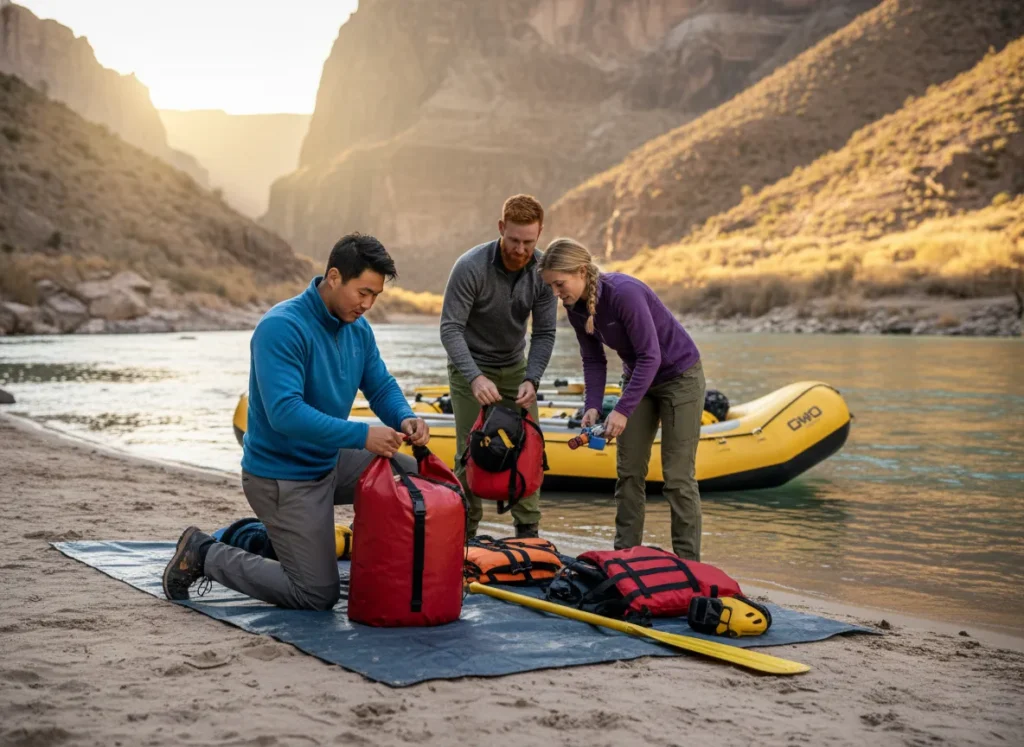
A successful expedition hinges on the details. This final part provides the actionable, expert-level advice needed to plan and execute your trip responsibly, covering everything from the gear on your back to the ethical adventuring you practice on the river.
What is the Definitive Gear Loadout for a Himalayan Expedition?
When packing for a cold-water river trip, one rule stands above all: NO COTTON. Cotton loses all its insulating properties the moment it gets wet, making it not just uncomfortable but dangerous. Instead, think in layers. Your on-river system should consist of a quick-drying synthetic or wool base layer, a fleece mid-layer for insulation, and a waterproof/windproof outer layer (often a “dry top” provided by the outfitter). For your feet, sturdy river sandals with a heel strap or, even better, neoprene booties will keep you warm and secure. Finally, a few pieces of safety equipment are non-negotiable: polarized sunglasses with a retention strap, high-SPF sunscreen, and a secure sun hat.
Your comfort at camp after a long day on the water is just as critical. The first priority is a complete set of dry clothes for the evening, including an insulated “puffy” jacket and warm socks. A headlamp is essential for hands-free navigation around camp at night. When it comes to toiletries, think minimalist and eco-friendly; biodegradable soap helps minimize your environmental impact. While optional, a few comforts can significantly enhance the experience: dry camp shoes, a good book, a portable charger for your camera, and an insulated mug for morning coffee or evening tea.
Once your personal gear is sorted, you can dive deeper with this systematic rafting gear checklist. The next step is to navigate the regional bureaucracy and, most importantly, the ethics of river travel.
How Do You Apply Leave No Trace Principles in a River Corridor?
The privilege of traveling through these pristine environments comes with a profound responsibility to protect them. The seven Leave No Trace principles provide the ethical framework for minimizing our impact and are the cornerstone of conservation practices. The first, Plan Ahead & Prepare, means knowing the regulations of the corridor and repackaging food into reusable containers to minimize packaging waste. On the river, we Travel & Camp on Durable Surfaces, using established campsites on sandbars and beaches to concentrate our impact. We also meticulously Dispose of Waste Properly, which on a river trip means “Pack it in, pack it out.” All trash, including organic food scraps, must be carried out.
Some principles are even more critical in a fragile river environment. We must Properly Dispose of What You Can’t Pack Out; this means all solid human waste must be carried out using specialized, portable river toilet systems, often called a “Groover.” To Minimize Campfire Impacts, we use a fire pan to contain the fire, preventing scars on the ground, and we bring our own wood or charcoal. Finally, we Be Considerate of Other Visitors & Respect Wildlife. Sound travels far in canyons, so we keep noise levels to a minimum and observe all wildlife from a respectful distance, never feeding them. Adhering to these principles, as outlined by the the seven Leave No Trace principles, ensures that the incredible Himalayan rivers remain pristine for future generations. This concludes our journey from novice to responsible expedition member, ready to become a vital guardian of the rivers you love.
Conclusion
A Himalayan whitewater expedition is a complex and deeply rewarding undertaking where success depends on understanding core concepts like river grades and acclimatization needs long before you choose a trip. The best expedition is not a universal answer but a personal one, determined by your position on the “Commitment Spectrum”—from accessible day trips on the Ganga to remote, multi-day expeditions on the Zanskar that will test your limits and expand your world.
You now understand that safety is a professional, multi-layered system anchored by certified guides, proper safety equipment, and the critical role of the safety kayaker. And you know that responsible travel, guided by Leave No Trace principles, is the non-negotiable price of admission to ensure these fragile river corridors are protected for generations to come.
Now equipped with the knowledge of a seasoned planner, take the next step: explore our full library of expedition guides and technical skill articles to continue building your wilderness instinct.
Frequently Asked Questions about Himalayan Rafting Trips
Is rafting in the Himalayas suitable for beginners?
Yes, certain rivers and stretches in the Himalayas are perfectly suitable for beginners. Rivers like the Ganga in Rishikesh (India) and the Trishuli (Nepal) offer sections with Class II-III rapids that provide a safe and thrilling introduction to the sport with professional guides.
What do river difficulty grades (e.g., Class IV) mean?
River grades measure the technical difficulty of a rapid on the International Scale of River Difficulty, ranging from Class I (Easy) to VI (Extreme). A Class IV rapid is considered “Advanced,” featuring intense, powerful waves and requiring precise boat handling, where a swim can be hazardous and self-rescue is difficult.
What is the best season for rafting in the Himalayas?
The best season varies by region, but is generally in the post-monsoon months. For high-altitude rivers like the Zanskar, the summer (July-September) is ideal. For most other rivers in India and Nepal, the autumn period (September-November) offers optimal water levels and clear weather.
What are the safety protocols on a guided Himalayan rafting trip?
Professional outfitters employ a multi-layered safety system that includes certified guides, mandatory safety gear (PFDs, helmets), and a dedicated safety kayaker. Every trip begins with a comprehensive safety briefing that covers paddling commands, what to do if you fall out of the raft, and other emergency procedures.
Risk Disclaimer: Whitewater rafting, kayaking, and all related river sports are inherently dangerous activities that can result in serious injury, drowning, or death. The information provided on Rafting Escapes is for educational and informational purposes only. While we strive for accuracy, the information, techniques, and safety advice presented on this website are not a substitute for professional guide services, hands-on swiftwater rescue training, or your own critical judgment. River conditions, including water levels, currents, and hazards like strainers or undercut rocks, change constantly and can differ dramatically from what is described on this site. Never attempt to navigate a river beyond your certified skill level and always wear appropriate safety gear, including a personal flotation device (PFD) and helmet. We strongly advise rafting with a licensed professional guide. By using this website, you agree that you are solely responsible for your own safety. Any reliance you place on our content is strictly at your own risk, and you assume all liability for your actions and decisions on the water. Rafting Escapes and its authors will not be held liable for any injury, damage, or loss sustained in connection with the use of the information herein.
Affiliate Disclosure: We are a participant in the Amazon Services LLC Associates Program, an affiliate advertising program designed to provide a means for us to earn advertising fees by advertising and linking to Amazon.com. As an Amazon Associate, we earn from qualifying purchases. We also participate in other affiliate programs and may receive a commission on products purchased through our links, at no extra cost to you. Additional terms are found in the terms of service.