
In this article
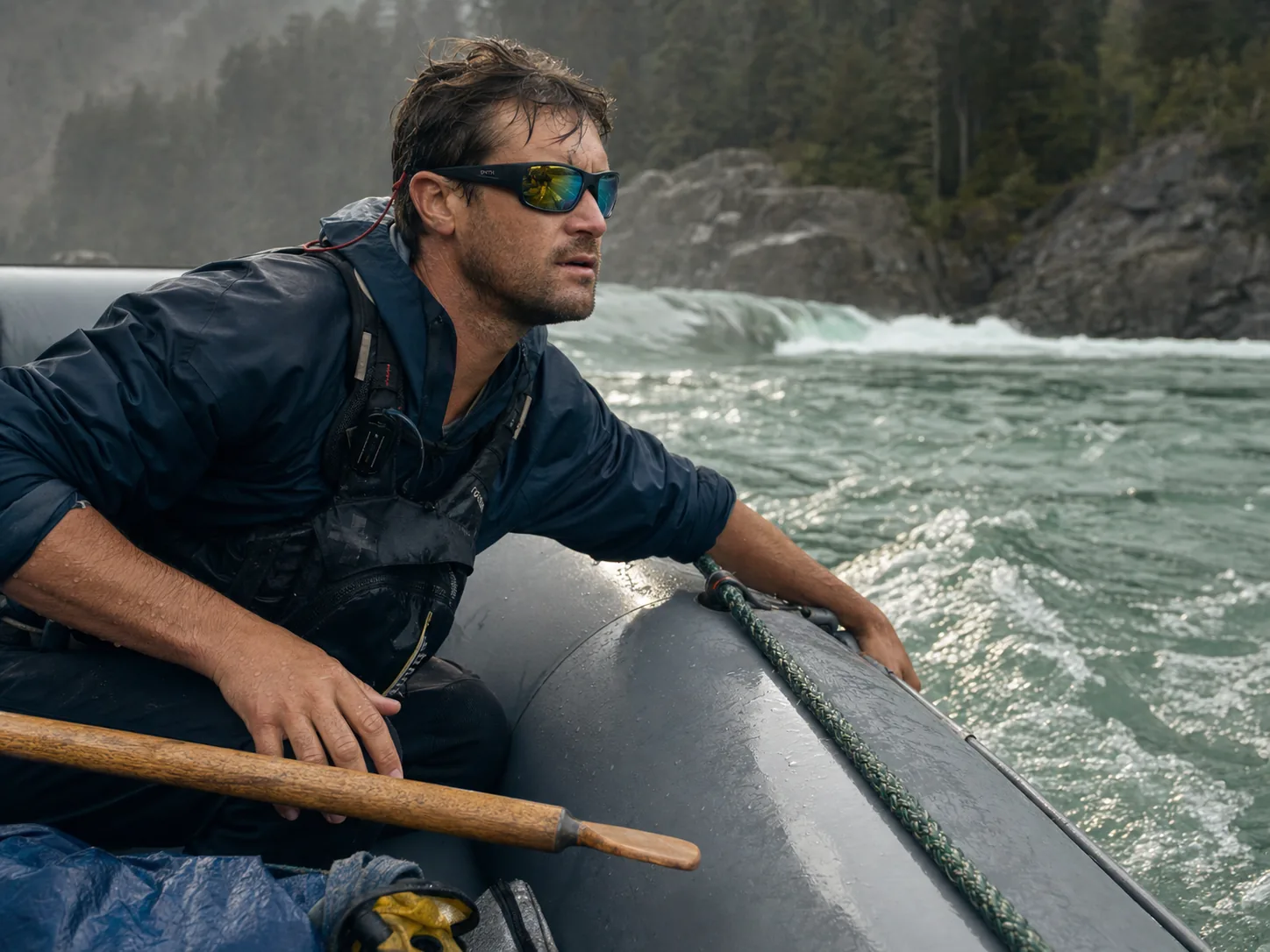
You’ve either watched it happen or you’ve been the one it happened to. A raft drops into a hole, everyone throws their weight to high-side, and somewhere in the scramble a pair of sunglasses slides off a face and vanishes into the green. By the time you’ve bailed out the boat, they’re sitting on the riverbed. That gut-punch is the whole reason this guide exists, because the best polarized sunglasses for rafting aren’t just the ones with the sharpest lens. They’re the ones still on your face at the takeout. Here’s what actually separates river-ready shades from beach sunglasses, why the cheap pairs let you down when it counts, and specific picks from guide-grade down to don’t-cry-if-you-lose-them.
What Makes Rafting Sunglasses River-Ready
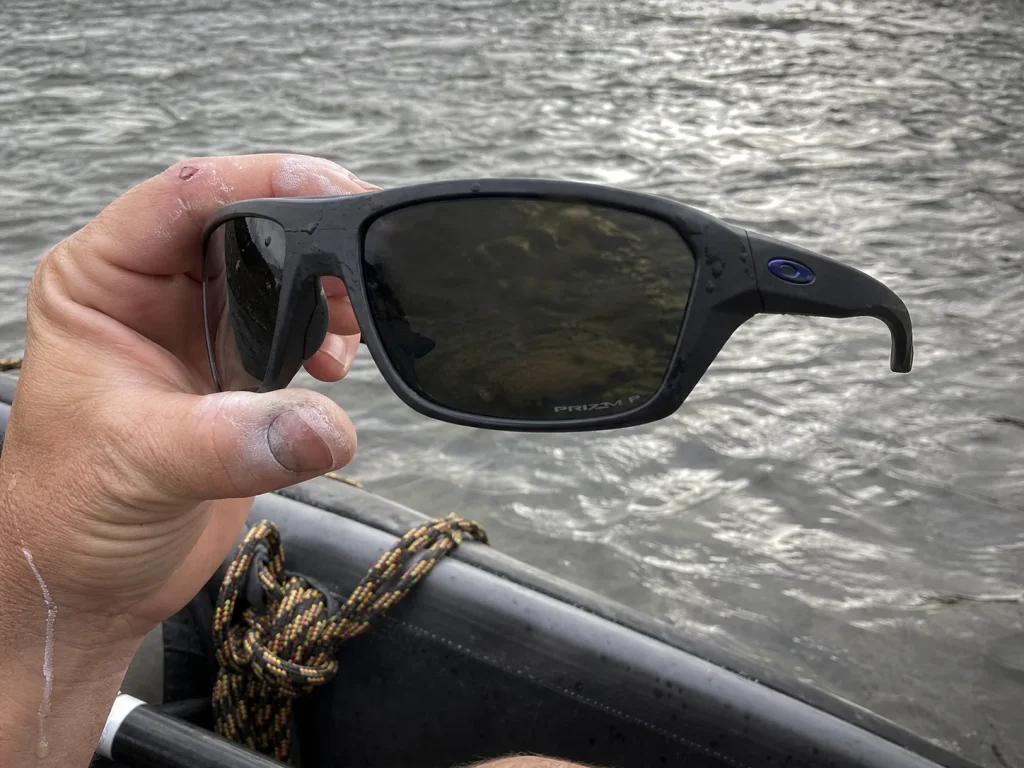
Beach sunglasses are built to look good on a patio. River sunglasses have a job. The second you’re trying to read the tongue of a rapid, the difference stops being cosmetic and starts mattering to your line.
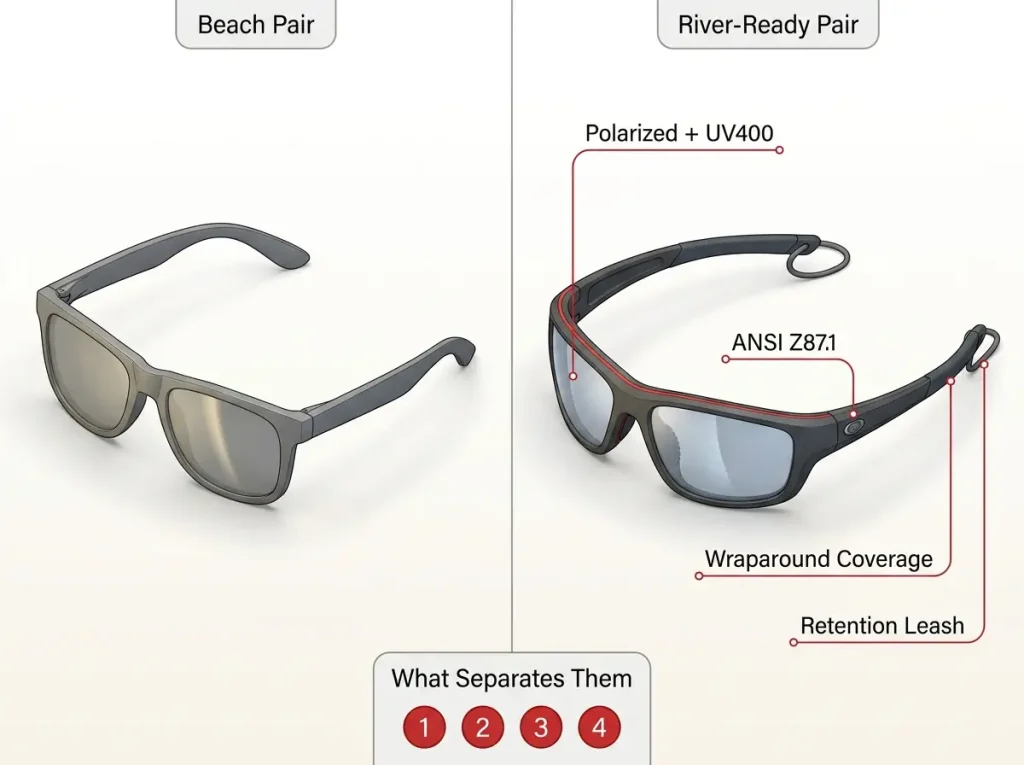
The core reason to run polarized lenses on the water isn’t comfort. It’s that polarization cuts the surface glare so you can actually read the water, spotting the rock lurking under the surface and the smooth downstream V that marks the safe route. Without it, the sun bouncing off the current turns the surface into a silver sheet and erases every cue you need. That’s the whole game.
Here’s the trap that catches people: polarization is not the same thing as UV protection. A “polarized” sticker tells you nothing about whether the lens blocks UVA and UVB. As the American Academy of Ophthalmology points out, polarization and UV protection are two separate things, so you check for a UV400 label on its own. This matters more than a put-in-day afterthought, because you’ll want to check the day’s UV Index before you launch during the exact May-through-August months most rivers run, when the index sits at 6 or higher.
Then there’s the abuse factor. A river-ready lens should meet ANSI Z87.1, the impact standard that requires a lens to survive a steel ball dropped from just over four feet without shattering, which is why most sport lenses use a polycarbonate build that flexes instead of cracking. That’s the kind of blunt hit a rock or a swung paddle delivers.
Pair that with a wraparound frame, ideally an 8-base curve, because roughly 20% of the glare and UV that reaches your eyes comes in from the side, ricocheting off the water from every angle. A high-wrap frame also widens your peripheral vision on the water. Flat-fronted fashion frames leave that side channel wide open.
Sunglasses are one piece of a bigger kit, and the same logic runs through all of it. If you’re still sorting out your full setup, our guide to what to wear rafting covers how the pieces fit together, from layers to footwear to what rides on your face.
Why Cheap Sunglasses Fail on the Water
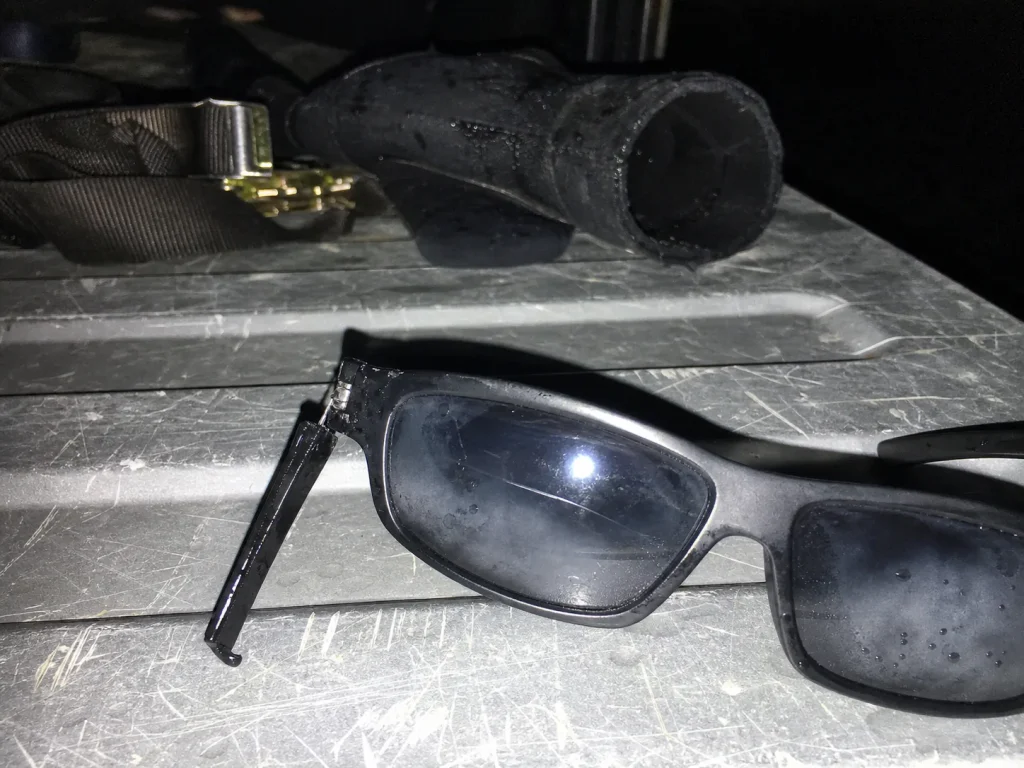
Every roundup will list you specs. Almost none of them tell you how the cheap pair actually falls apart on a river. Naming the failure is worth more than naming the feature, so here’s where the discount shades let you down, one mode at a time.
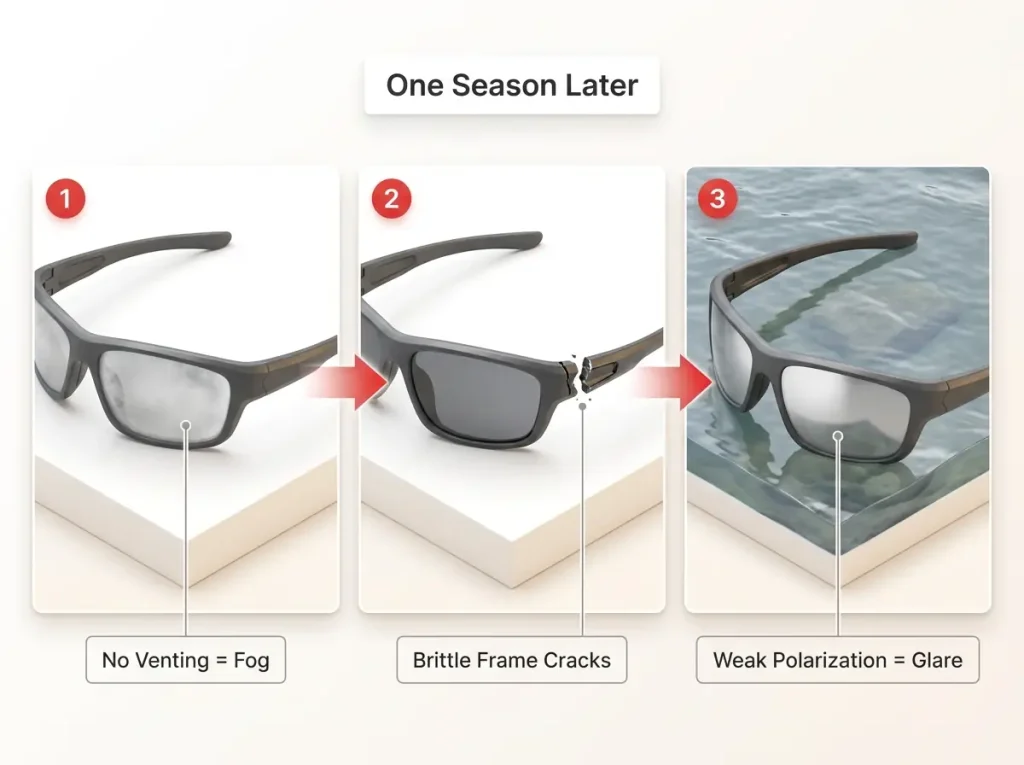
First, they fog. An anti-fog coating alone does not survive the constant spray of a cold-water spring run, because a coating is a surface treatment that wears and wets out. What holds up is actual frame venting, small channels that move air across the lens. If a pair only advertises a coating and shows no vents, plan on wiping them blind at the worst moment.
Second, the frame goes brittle. Cheap nylon and acetate degrade under a season of UV exposure and river chemistry, which is exactly why “shatterproof” gas-station frames still snap a temple arm by August. Better frames use TR90 or Grilamid, a flexible nylon that shrugs off both the sun and the flex. It’s the difference between a frame that lives three seasons and one that cracks in your dry bag.
Third, and worst, they blind you. A pair with weak polarization and no real UV400 rating leaves you with eye strain and a headache after a full day, and it can’t cut the surface glare that hides the line. Forum posters describe the same arc every spring: a bright day, a cheap polarized-only pair, and a pounding head by the takeout. The long game matters too, since cumulative UV exposure is a documented risk factor for cataracts. Your eyes don’t get a warranty.
Don’t trust the word “polarized” on the box. Flip it over and look for a separate UV400 or “100% UV protection” line. If the only claim on the whole package is polarization, treat the UV rating as missing until proven otherwise, and put the pair back.
Leashes, Floating Frames, and Not Losing Them in a Swim
Everyone goes for a swim eventually. What separates a boater who keeps their shades from one who feeds the river is not luck. It’s two cheap decisions made before the launch.
The first is a retention leash. Outfitters treat a leash as close to mandatory river gear, not an accessory, because an unsecured pair is one flip away from the bottom. A universal retainer costs almost nothing and works with any frame you already own. Guides call these croakies no matter the brand, and they’ll hand you one at the put-in if you show up without one.
The second is a floating frame. A leash handles everyday retention, but if the clip pops or the cord snaps in a violent flip, a floating pair surfaces instead of sinking. That’s the belt-and-suspenders approach guides actually recommend: leash for the daily grind, float as the backup for the bad swim. The same instinct that keeps a well-fitted PFD snug so it can’t ride up in a swim applies to everything you can’t afford to lose underwater.
The Floating Backup: Bollé Holman Floatable
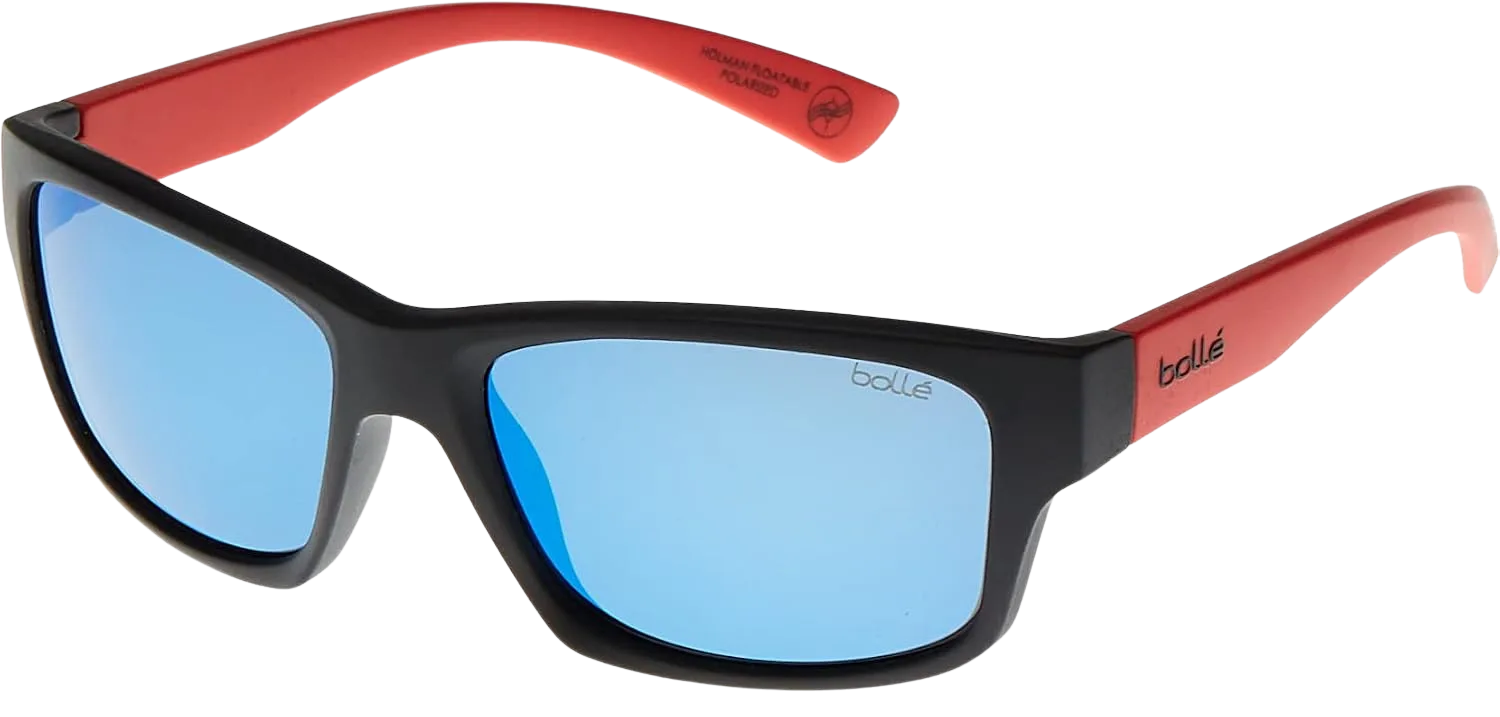
The Holman’s whole reason to exist is that second layer of insurance. Whitewater paddler Eric Jackson has demonstrated the same floating design taking real hits and staying put in genuine whitewater, which is worth more than any spec sheet claim about buoyancy. If you run pushy water and know you’ll swim sooner or later, the float is the feature you’ll be grateful for exactly once, on the day it saves them.
The Retention Fix: Croakies Original Eyewear Retainer
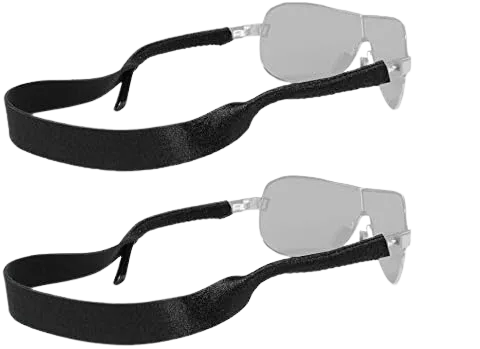
If you buy one thing off this whole page, make it a leash. It’s the highest-value dollar you’ll spend on eyewear, full stop. If you’d rather not gamble on the clip in big water, the budget floating option covered in the budget picks below gives you both layers cheap.
Run both a leash and a floating frame, not one or the other. The leash handles the hundred normal times your shades slip. The float handles the one time the leash fails in a keeper hole. Guides don’t pick between the two, and neither should you.
Matching Your Lens to the River and the Season
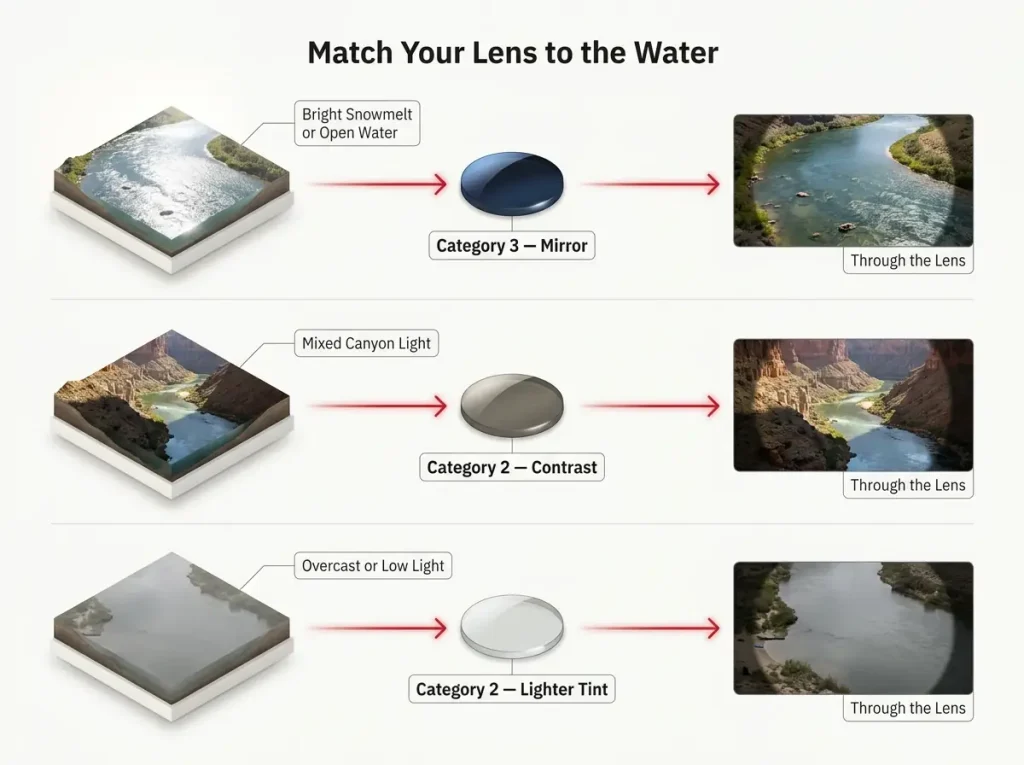
The tint that’s perfect on a bluebird July afternoon will leave you squinting into the shadows of a shaded spring canyon. Most roundups hand you generic kayak or sailing lens advice that ignores this completely. On a mountain river the light changes with the season, and your lens should match the water you’re actually on.
The spec that governs this is VLT, or visible light transmission, and it’s simpler than it sounds. A Category 2 lens passes 18 to 43% of light, the versatile middle ground for shifting canyon light, overcast put-ins, and mixed conditions. A Category 3 lens passes only 8 to 18%, a dark tint built for the full glare of a bright summer run or blinding snowmelt. Buy a Cat 3 lens for a shaded spring canyon and you’ll be reading the water half-blind in the shadows.
Lens tech layers on top of tint. A blue mirror or a contrast-tuned lens helps in high-glare open water, cutting the flat white sheen off a wide, sunny stretch. And don’t stash them on a gray day: up to 80% of UV pushes straight through cloud cover, so an overcast morning still calls for UV-rated lenses. The same condition-first thinking you’d use to layer for cold-water rafting applies to what’s on your face. Pick for the day, not the calendar.
The High-Glare Lens Pick: Tifosi Crit
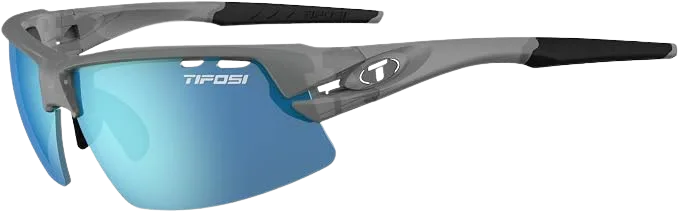
If most of your season is bright and open, the Crit’s glare-tuned lens is the one that stops the squint. For shaded, shifting light you’d lean the other way, toward a versatile Category 2 lens like the all-around pick further down. The point is to own the lens that matches your water, not the one that looked darkest in the store.
If You Wear Prescriptions on the River
For the boater who can’t just pop in contacts, this is the section nobody writes. And it matters more than the others let on, because the workaround most people reach for is the one outfitters warn against.
Guides actively discourage daily contact-lens wear on multi-day trips, since river water carries a real infection risk when it flushes behind a lens. That pushes anyone who needs correction toward prescription sunglasses instead of a contacts-or-nothing gamble. The fix that works is an RX-insert-compatible frame, a design that accepts a small prescription carrier behind the main lens so you get correction and impact protection in one pair.
What you’re looking for is a frame that’s both ANSI Z87.1 rated and built to take that insert. It’s not a perfect system. The insert adds cost, and a second lens surface means a little more fog risk on cold mornings. For a single guided day-trip it’s probably overkill, and contacts under a good pair may be fine. For anyone running multiple days on the water, it’s the honest answer. Even then, don’t skip the UV, since eye protection still matters on overcast days when most of the sun’s rays punch through the clouds anyway.
The Prescription-Ready Pick: Wiley X WX Grid
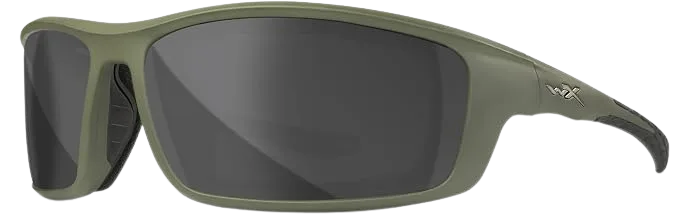
The Grid’s other quiet advantage is its thin, low-profile temple arms, which brings us to a problem nobody warns you about until you’re an hour into a run.
Fitting Sunglasses Under a Rafting Helmet
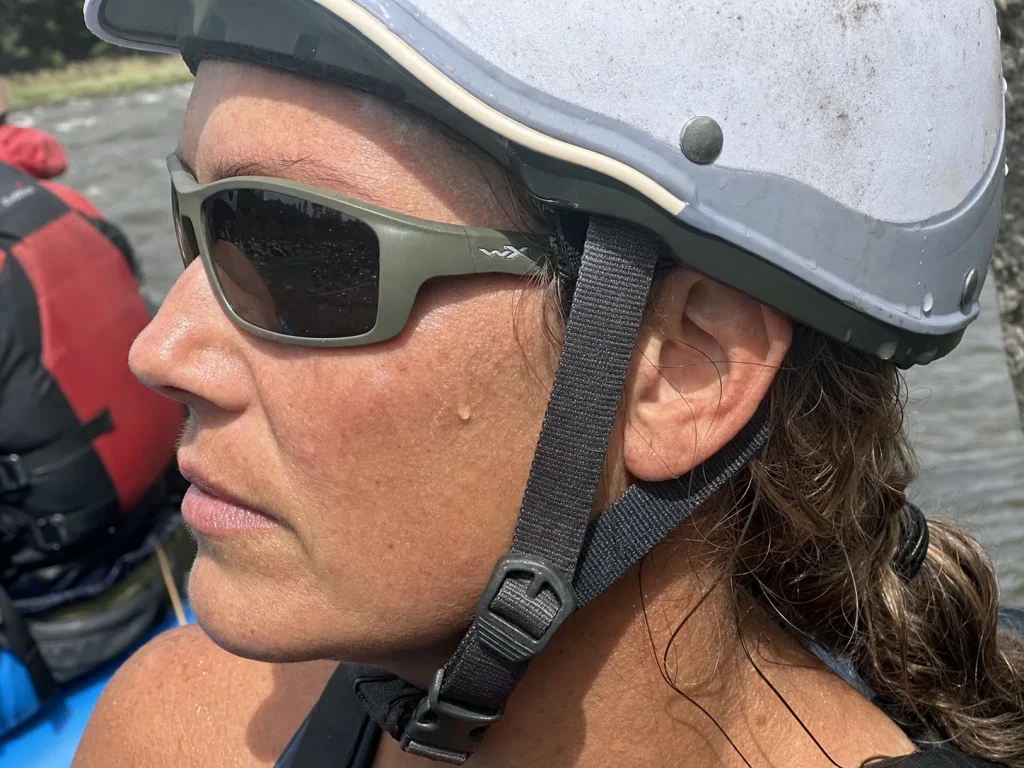
Here’s the one no roundup covers, and the one that ruins the most trips. You buy a great pair of sunglasses, strap on your helmet, and forty minutes later you’re rubbing your temples with a pressure headache you can’t explain. The glasses are the cause.
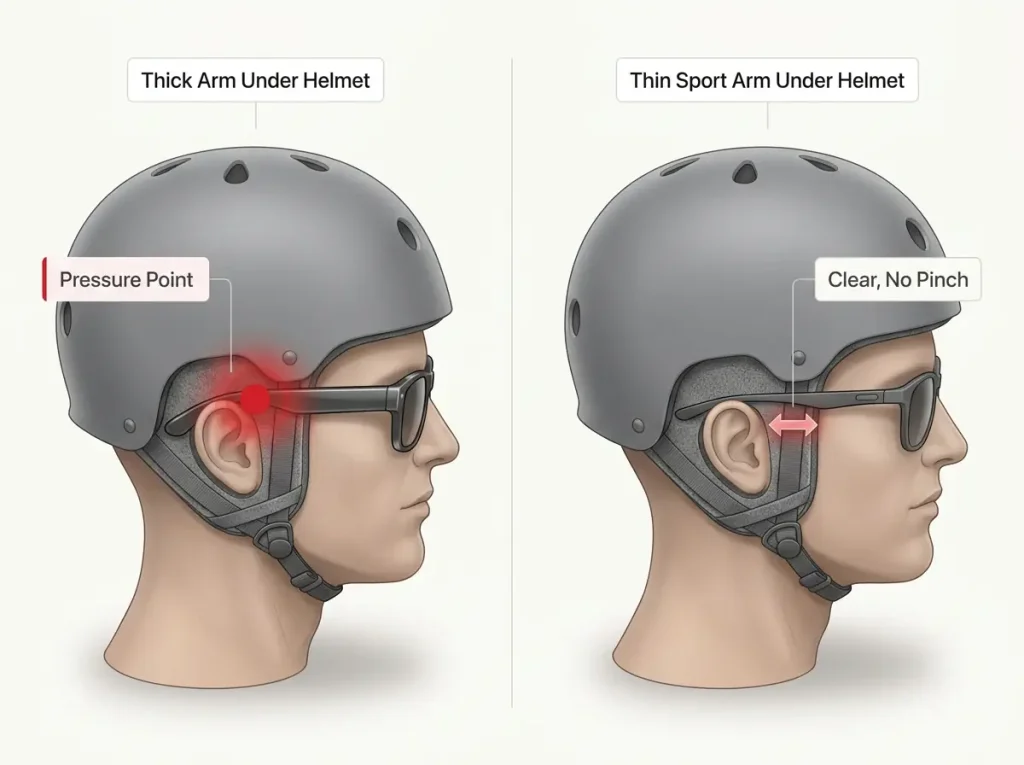
The mechanism is simple once you feel it. Thick, fashion-style temple arms press into your skull where the helmet’s padding and strap already sit, and the two clamp your head between them. It builds slowly, then it’s all you can think about. Paddlers report exactly this on the forums, usually as a baffled “why does my head hurt after an hour on the water” question that nobody connects to their sunglasses.
The fix is low-profile sport frames, the same thin-armed category as cycling and fishing sunglasses. Their slim temple arms slide under a helmet and disappear instead of fighting the strap. The frames to avoid are the thick-armed fashion styles, the classic browline-and-chunky-arm look, which are the exact ones that pinch. The picks worth owning here, the thin Grilamid and TR90 sport frames, happen to be the same ones that already nailed the impact and glare tests. The fit gap and the performance picks overlap, which is convenient. Whatever pair you settle on, fit it against the helmet you’re pairing it with before you commit, not after.
Do the helmet test in the store or your living room, not at the put-in. Put the helmet on first, then slide the sunglasses on underneath. If you feel any pressure point at your temple in the first thirty seconds, it only gets worse over an hour on the water. Thin arms, every time.
The Guide-Grade Pick When You Want Zero Compromise
This is the buy-once tier. Whether you guide professionally or run your own boat as a private boater, if you’re on the water enough that reading the line matters every single trip, guide-grade optical clarity earns its price. If you raft twice a year, skip ahead, because this is more lens than you need.
Best Guide-Grade: Costa Del Mar Rinconcito
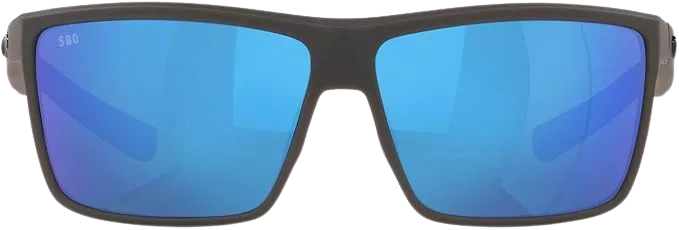
Honest trade-off: this is a premium buy, and the clarity is a genuine step up rather than marketing. Whether it’s worth it comes down to days on the water. Guide it forty days a season and it pays for itself in headaches avoided and rocks spotted. Run it twice a summer and the mid-tier pick below does 90% of the job for a fraction of the outlay.
The Best All-Around and Mid-Tier Picks
This is the sweet spot most rafters should actually buy. Enough performance for real whitewater, without guide-grade spend. If you’re not sure where you land, start here.
Best All-Around: Smith Optics Hookset
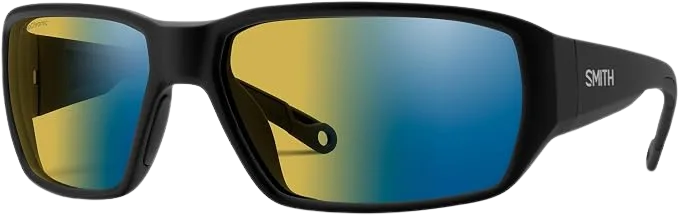
The Hookset’s party trick is the hydrophilic nose and temple pads, a genuine river-specific spec. Regular silicone pads get slicker as they get wet and sweaty, which is backwards from what you want. Hydrophilic rubber grips harder the wetter it gets, so the glasses stay put on a spray-soaked face. Add the included leash and it covers retention and mixed-light performance in one box, which is why it’s the pair most weekend paddlers should default to.
Best Water-Sport Build: Oakley Split Shot
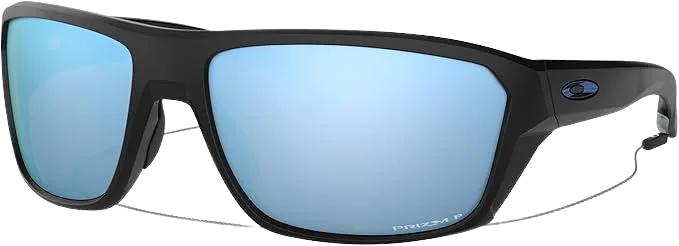
If your priority is coverage over everything, the Split Shot is the pick. The high-wrap frame is the one that best answers the side-glare problem, sealing off the light that sneaks in past a flatter pair. It leans a touch more premium than the Hookset, so choose based on which matters more to you: the Hookset’s included leash and mixed-light lens, or the Split Shot’s maximum wraparound seal.
The Budget and Don’t-Cry-If-You-Lose-Them Picks
For a first-timer or a spare in the dry bag, you don’t need to spend big. What you can’t skip, even here, is the two non-negotiables: real polarization and a way to keep them on your face. Nail those cheaply and you’ve got a smart first buy.
Best Budget Floating: WindRider Polarized Floating Sunglasses
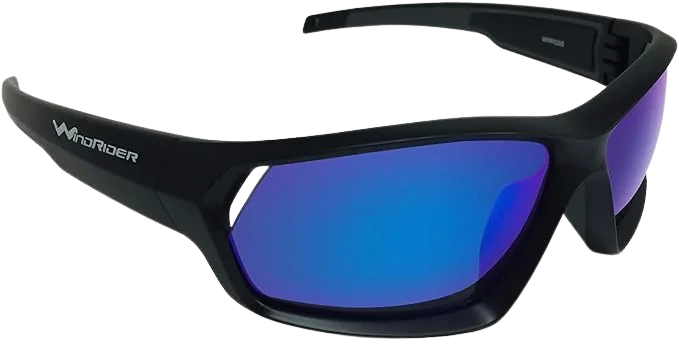
This is the pair to hand a nervous first-timer. It floats and it’s polarized, so they get the safety net and the ability to read the water without the sting of losing a big investment on day one. When they know they’ll keep rafting, they can upgrade to a mid-tier pair with a clear conscience.
Best Value: Duduma Polarized Sports Sunglasses
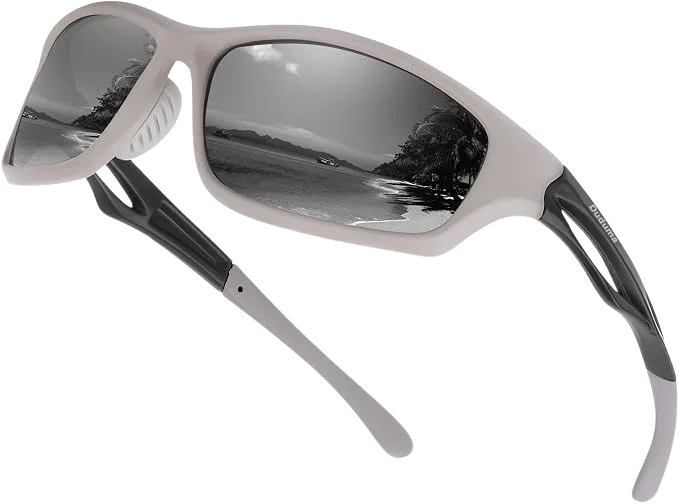
The veteran starter setup is a cheap polarized pair plus a leash. Buy both, spend almost nothing, and go rafting. Once you’ve got a season under your belt and know you’ll keep at it, upgrade to a mid-tier pair. You’ll appreciate the good lens far more after you’ve earned it than you would have on day one.
The Duduma is the rock-bottom entry point when even the floating budget pair feels like too much. It still gives you polarization and impact-resistant wraparound coverage, which is the actual floor no pair should drop below. It doesn’t come with a leash, so add one before your first trip on the water and you’re set.
The Bottom Line on River-Ready Shades
Polarization, UV400, and impact resistance are the floor, not the finish line. A leash or a floating frame is what actually keeps them on your face when the river tries to take them. And the right tier depends entirely on how much you raft, running from guide-grade clarity for the every-weekend boater down to a budget-plus-leash kit for the first-timer.
Match the pair to your water and how often you run it, clip on a leash before you launch, and you’ll actually see the line the next time it counts. While you’re dialing in the rest of your kit, sorting out the right footwear for the water and staying on top of keeping your gear alive between seasons rounds out a setup that lasts.
Frequently Asked Questions
01Do polarized sunglasses actually help you see rocks under the water?
Yes. Polarization cuts the surface glare that hides what’s underneath, so you can read rocks, holes, and the line. It’s the single biggest reason to run polarized on a river, well beyond simple comfort.
02Do rafting sunglasses really need a retention strap?
Effectively yes. Outfitters treat a leash as close to mandatory because an unsecured pair is one swim away from the riverbed. A cheap retainer is the highest-value dollar you’ll spend on eyewear.
03Can you wear prescription sunglasses while rafting?
Yes, and it often beats contacts. Outfitters warn against daily contact wear on multi-day trips due to river-water infection risk. Look for an ANSI-rated frame that takes a prescription insert, like the Wiley X WX Grid.
04What lens tint or VLT is best for river conditions?
For bright, high-glare or snowmelt days, go darker with a Category 3 lens at 8 to 18% VLT. For shifting canyon light or overcast put-ins, a versatile Category 2 lens at 18 to 43% VLT keeps you from going blind in the shadows.
05Are floating sunglasses worth it if I already have a leash?
They’re the backup to your backup. A leash handles everyday retention, but if it snaps or unclips in a violent flip, a floating frame surfaces instead of sinking. Running both is what guides actually recommend.