
In this article
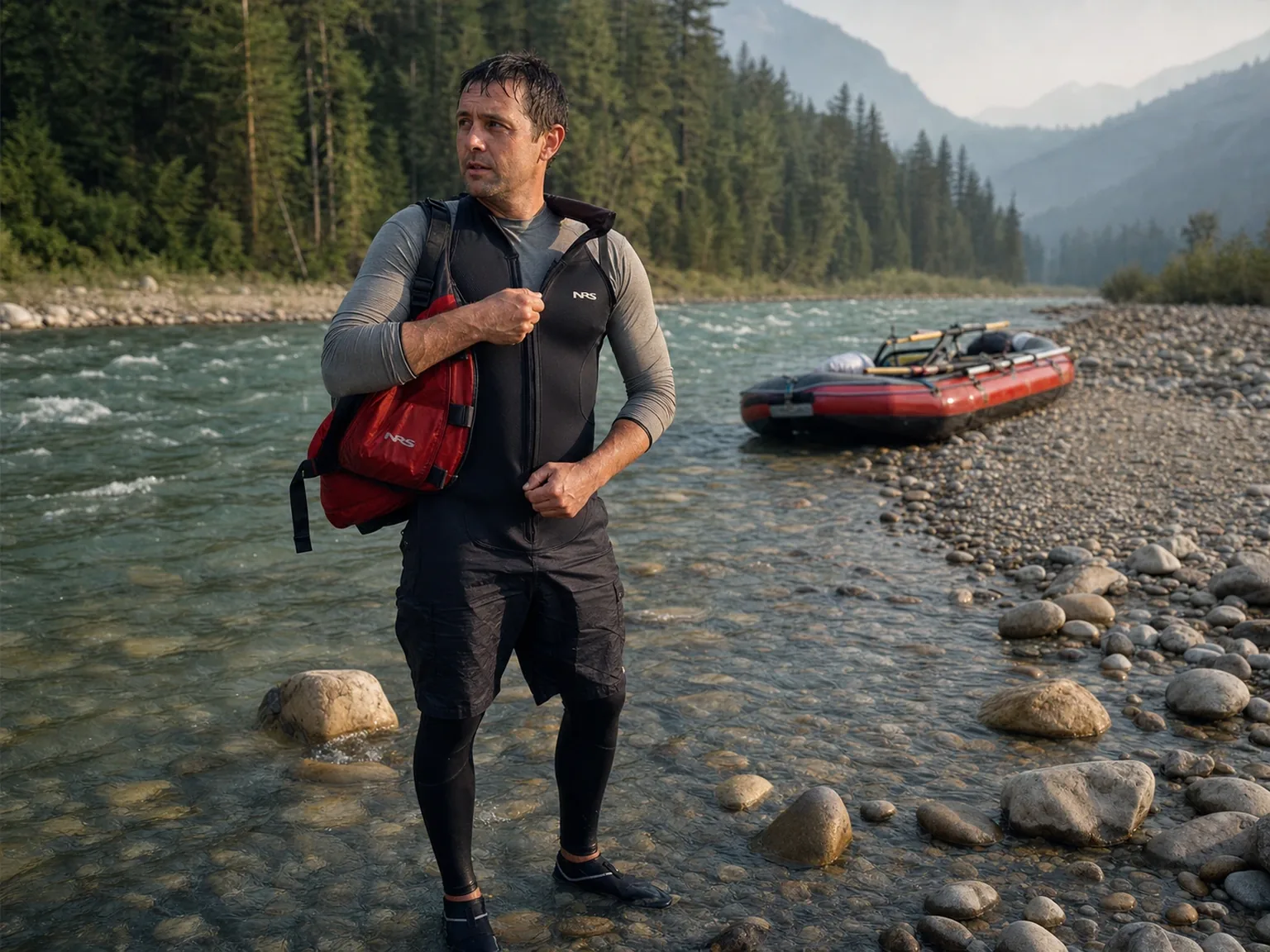
The parking lot is 85°F and you’re standing there in board shorts, feeling good about your choices. Two hundred yards downhill, the water you’re about to float is 45°F snowmelt. That gap is where people get caught out every season, and the thought that puts them there is always the same one: it’s summer.
Ask any guide what the most-repeated mistake is and you’ll hear a version of the same answer, which is that people dress for the air in the parking lot instead of the water at the put-in. Here’s what to wear rafting in each season, and more useful than that, how to tell which season your river is actually in.
Here’s the head-to-toe version, side by side, before we get into why the calendar lies to you.
| Layer | Summer (water 70°F+) | Spring Runoff (water under 70°F) |
|---|---|---|
| Skin-out base | Swimsuit or board shorts, quick-dry sun shirt | Merino wool or synthetic base layer, never cotton |
| Mid layer | Nothing extra, or a light layer stashed in a dry bag | 3mm wetsuit, Farmer John or Farmer Jane cut, drysuit under 60°F |
| Outer layer | Optional splash top for big wave trains | Splash jacket over the wetsuit, sheddable |
| Feet | Closed-toe water shoes, secured | Water shoes plus neoprene socks or wool socks |
| Head and hands | Sun hat, leashed sunglasses, waterproof sunscreen | Neoprene skull cap, neoprene gloves or pogies |
| Always, both | PFD and helmet | PFD and helmet |
Why Water Temperature (Not the Calendar) Decides Your Outfit
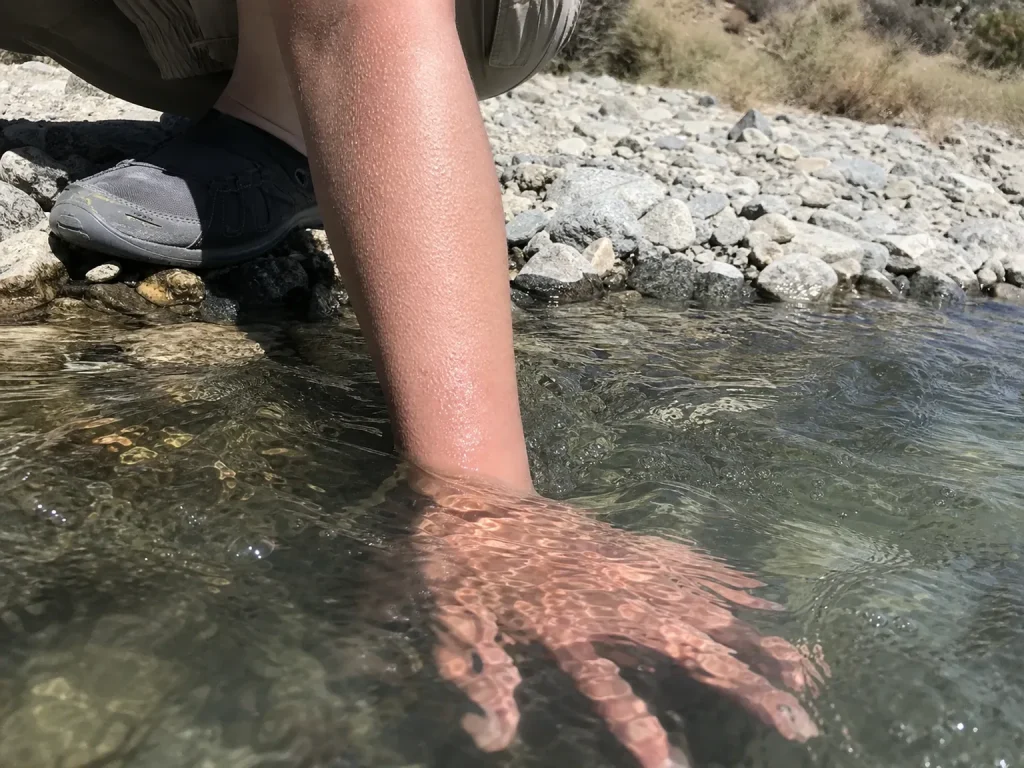
Everybody checks the sky. Almost nobody checks the water, and the water is the thing that actually hurts you.
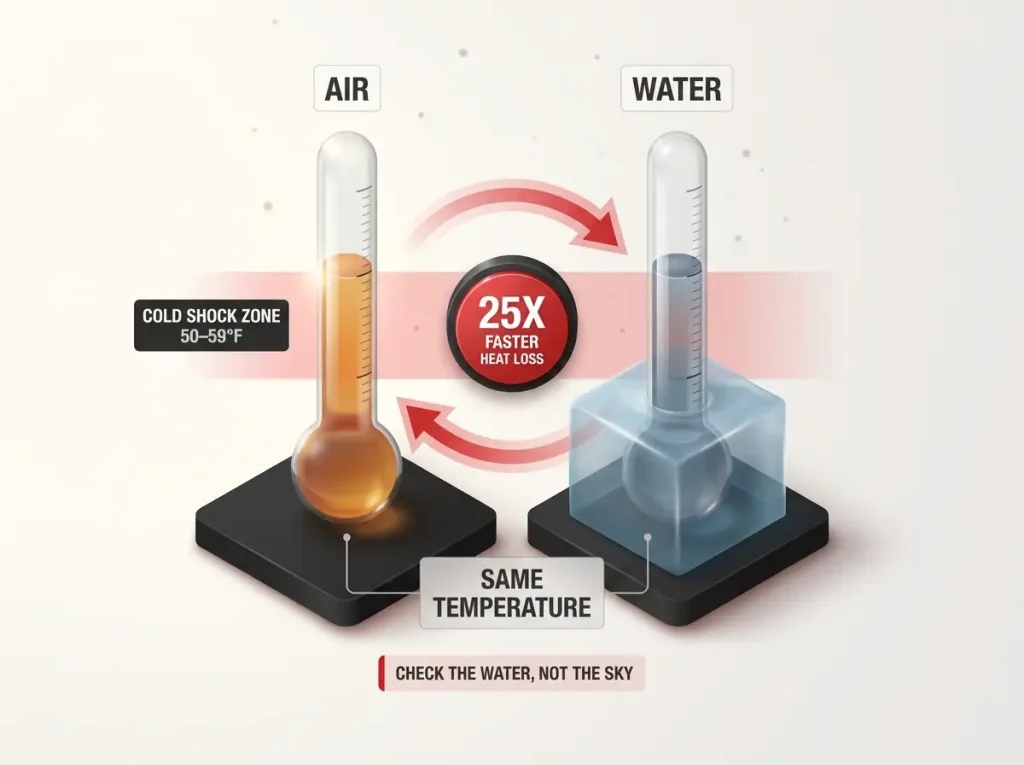
The physical reason is blunt: you lose heat roughly 25 times faster in water than in air at the same temperature, according to NOAA’s cold water safety guidance. A 45°F day is a fleece and a complaint. A 45°F river is a serious problem. That single multiplier is why “dress for the water, not the air” survived as advice long enough to become a cliché, and why it’s still the only rule in this article that never bends.
Cold Shock Comes First, and It Comes Fast
The part people underestimate isn’t hypothermia. It’s cold shock, which peaks in water between 50°F and 59°F and steals your breath control in the first one to three minutes of immersion.
You gasp. You can’t get a full breath. And you’re doing that in moving water, in a rapid, before you’ve even started swimming for the boat.
A 90°F afternoon does nothing to change any of it. The air warms your skin. The water empties you.
Where to Actually Check Before a Trip
Pull the water temperature for your specific put-in, not a regional average and not last season’s number. A USGS gauge or a straight phone call to the outfitter both work, and the same gauge gives you the flow in cubic feet per second. Air temperature only decides how comfortable you’ll be sitting on a tube. Water temperature decides what happens if you’re not sitting on the tube anymore.
This is the whole thesis of dressing for the water instead of the air, and the seasonal split in this article is really just that rule applied twice.
Guides check the forecasted water temp and the current CFS for that put-in the morning of the trip, not the week before. On a snowmelt river those numbers move week to week, sometimes day to day. A general seasonal average is how you end up the only person on the boat without a wetsuit.
Dam-Release vs Free-Flowing Rivers Why Spring Runoff Isn’t the Same Everywhere
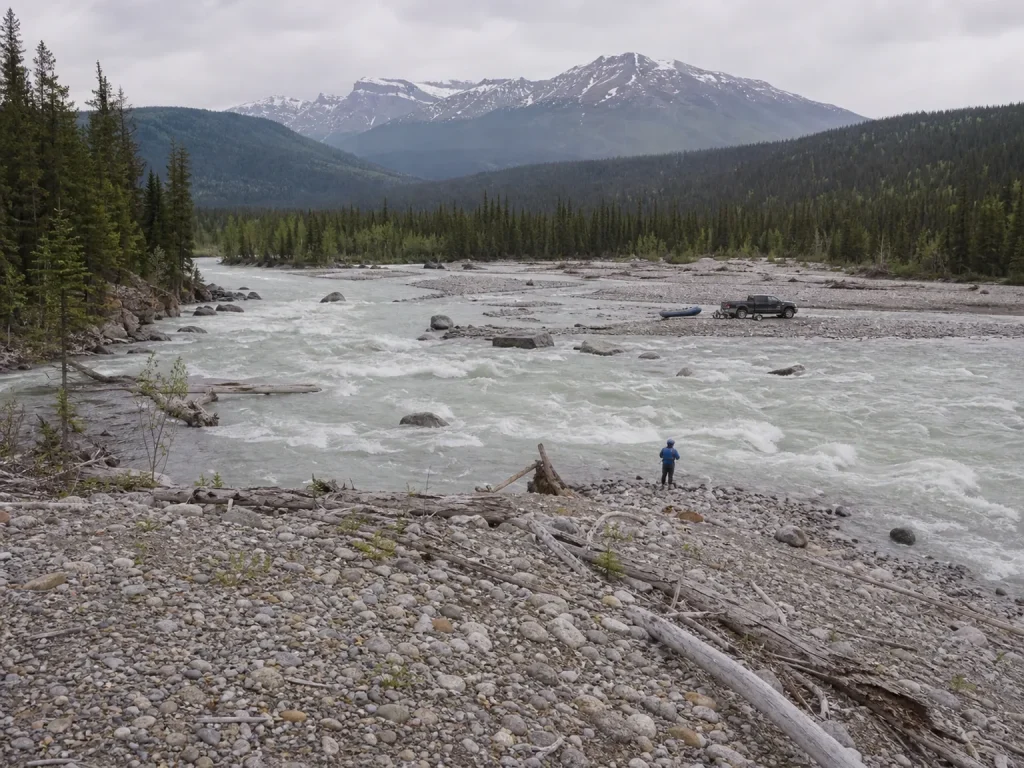
Here’s where generic seasonal advice falls apart completely. Two rafters, same July weekend. One is comfortable in a sun shirt, the other is in a wetsuit and still cold.
Neither of them read the calendar wrong. They were on different kinds of rivers.
Dam-Release Rivers Stay Cold in July
A river fed from the bottom of a reservoir doesn’t care what month it is. The Nantahala in North Carolina runs roughly 45°F to 52°F year-round because it’s released from deep in Nantahala Lake, where the water is cold in August the same way it’s cold in April. Summer rafting there still means spring-runoff dressing. The water doesn’t know it’s July.
The story that keeps coming up is the rafter who packs summer-only gear for an August Nantahala trip because, reasonably enough, it’s August, and then meets the same 50°F water the river runs every month of the year.
Snowmelt Rivers Follow the Calendar (Mostly)
Free-flowing and snowmelt-fed rivers behave the way you’d expect. The Arkansas in Colorado runs around 45°F to 55°F in April and May, then climbs into the mid-60s by July.
On that river the calendar tracks the water honestly, which is exactly the opposite lesson from the Nantahala. River type tells you which rule applies. Not the region, not the date.
This Year’s Dates Aren’t Last Year’s
Even the honest calendar shifts. Reduced snowpack pushed the Arkansas’s 2026 peak runoff into late May, earlier than its historic June peak, with a faster-than-usual drop into summer. So “early June is still runoff season” was true some years and wrong this one. Reading a river’s flow and snowmelt status through current CFS data beats any fixed date on a page, including the dates in this article.
If your answer comes back cold, a full cold-water layering system is the next thing to sort out, regardless of what the month says.
The Shoulder-Season Gray Zone Hot Air Cold Water
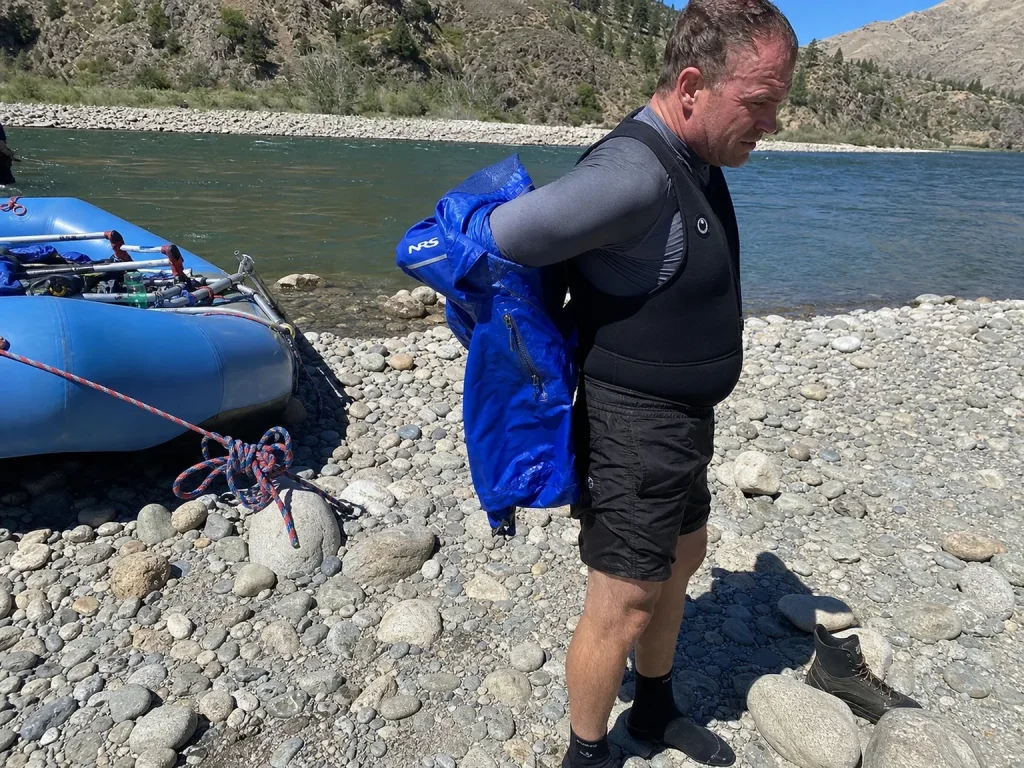
Late May, early June, snowmelt river. You sweat carrying gear down to the put-in and you shiver in the first eddy. Competitors write a spring article or a summer article. Almost nobody writes about the window where you need both, which is the window that catches the most people.
The Math That Names the Gray Zone
Run the guides’ combined-temperature rule and the gray zone stops being a vibe and becomes a number. Add air temperature to water temperature: under about 120°F combined, you’re in drysuit territory. Above it, a wetsuit system is enough.
Now plug in a real shoulder-season day. Air 85°F, water 45°F. That’s 130°F combined, which lands you above the drysuit line even though the water alone is frigid enough to trigger cold shock.
The rule isn’t broken. It’s telling you something precise: the hot air is genuinely doing work for you between swims, so you dress for the swim without sealing yourself into a suit you’ll cook in.
That’s the whole gray zone in one calculation. Water cold enough to hurt you, air warm enough that the maximum-protection answer is the wrong one.
Layer So You Can Shed
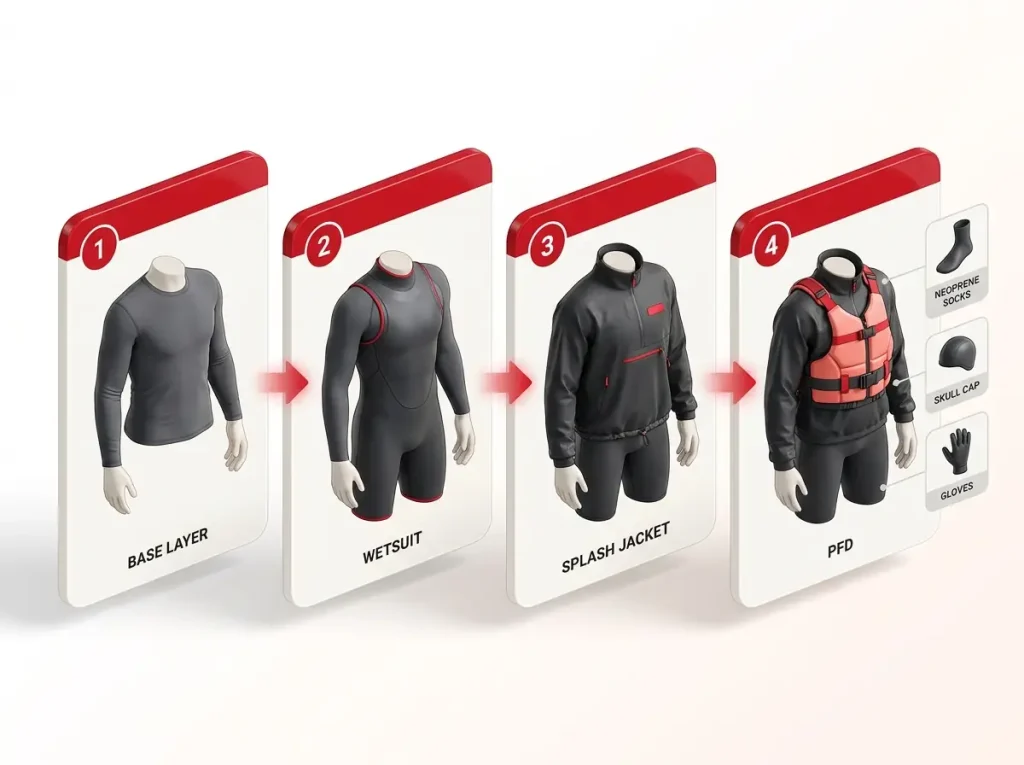
The gray zone isn’t solved by picking a system. It’s solved by stacking one you can take apart: base layer, mid layer, wetsuit, splash jacket, peeling pieces off as the afternoon warms.
The NRS Endurance Paddling Jacket (men’s · women’s) is the piece doing the real work here, since a coated-nylon shell blocks wind and wave splash without adding warmth you’re stuck with. It comes off in ten seconds when you don’t need it. That’s the entire point.
Why Not Just Wear a Drysuit
Because a drysuit has no ventilation. It’s the correct tool at 40°F on a runoff morning and a liability by two in the afternoon when the air hits the 70s and you’re sealed inside a bag.
A layered wetsuit system adjusts. A single drysuit doesn’t. That’s the mechanical reason the gray zone favors layers, and it’s worth understanding before you spend on either, so we broke down the full wetsuit versus drysuit call on its own.
The timing trap is the other half of it. The gray zone isn’t a fixed date you can circle in advance: 2026’s snowpack pushed the Arkansas peak into late May with a fast drop after, so the overlap window opened earlier and closed quicker than the year before. Check the water and the flow that week, not the month.
Stash a dry top or a fleece in a dry bag and wear less on the water than you think you need. You warm up paddling. The layer isn’t for the river, it’s for the twenty minutes at the takeout when you’re wet, standing still, and the sun just went behind the canyon wall. That’s when people actually get cold.
What to Wear Rafting in Summer Head to Toe
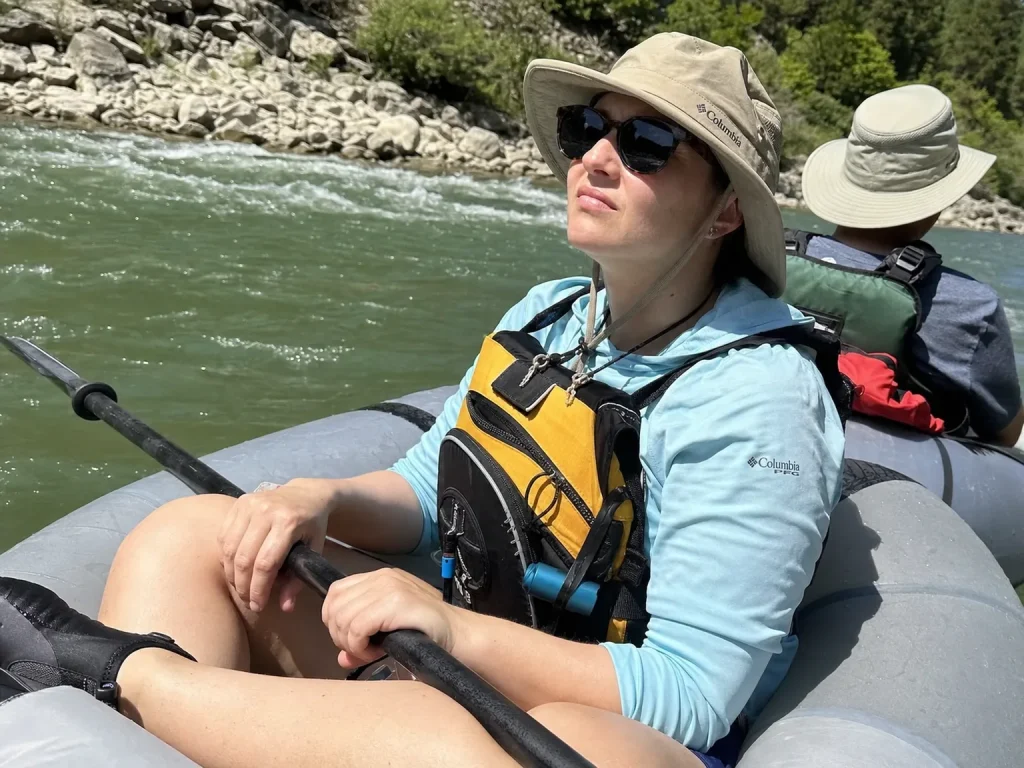
Genuinely warm water, genuinely hot day. The threat here isn’t cold at all. It’s six hours of sun coming at you twice, once from the sky and once bounced off the river.
Sun Is the Summer Threat, Not Cold
Start with a swimsuit or board shorts and a moisture-wicking quick-dry sun shirt. A UPF shirt beats sunscreen you’ll sweat off in the first hour, and it keeps working wet, which sunscreen mostly doesn’t. The Columbia PFG Terminal Tackle Hoodie (men’s · women’s Tidal Tee II) covers the arms and the neck, which is where people burn worst on a boat.
Up top, a sun hat like the Columbia Bora Bora II Booney with the chin cord actually snugged down, or nothing at all if you’re wearing a helmet on whitewater rafting trips. Sunglasses go on a leash, always. An unleashed pair is gone on the first flip and you’ll spend the rest of the day squinting into glare.
Add waterproof sunscreen on the parts nothing covers: ears, the back of the neck, the tops of your feet. Complete sun protection on the river is a shirt, a hat, and sunscreen doing three different jobs, and we compared UPF sun shirts and brimmed hats that hold up wet if you want to go deeper.
Footwear That Stays On
This is the summer rule that doesn’t relax. Closed-toe, secured, and snug: the NRS Kicker Wetshoes (men’s · women’s) are the honest version of what works, closed toe against rock, snug enough to survive a swim. Flip-flops are gone in the first rapid and then you’re walking the takeout barefoot.
What to Leave in the Car
Cotton. Even in summer. The cotton hoodie packed “just in case” becomes wet dead weight the moment it’s needed, and a wet cotton layer in a cool evening breeze does the opposite of what you brought it for. Bring a synthetic layer or bring nothing.
What to Wear Rafting in Spring Runoff and Cold Water Head to Toe
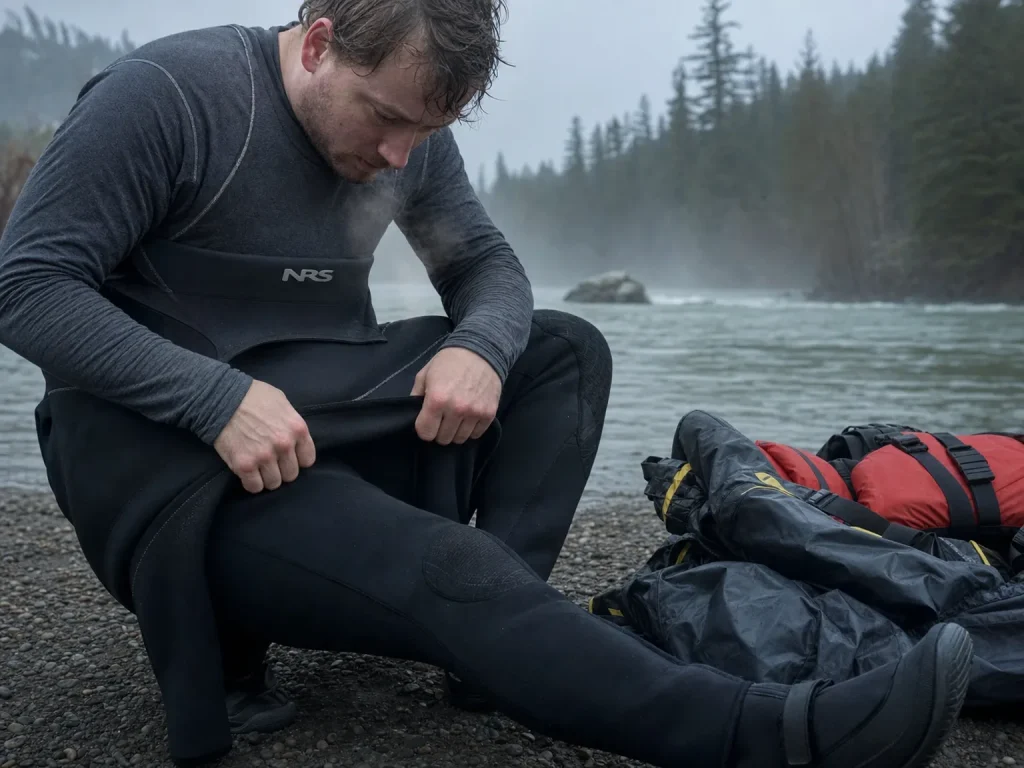
Different problem entirely. On an early-season snowmelt run you’re not dressing for the boat ride. You’re dressing for the swim, because on cold water the working assumption is that you might take one.
Skin-Out Base Layer
Merino wool or synthetic against the skin, and this is where the no-cotton rule stops being a preference. Cotton holds cold water against you and stops insulating entirely once wet. Wool and synthetics keep working.
The MERIWOOL Base Layer Midweight Long Sleeve (men’s · women’s) is the budget-friendly version of that layer and it does the job wet, which is the only test that matters. The merino versus synthetic breakdown covers the picks top to bottom.
The Wetsuit, and When It’s a Drysuit
A 3mm wetsuit in the Farmer John or Farmer Jane cut covers most cold-water rafting. Sleeveless, full leg, so you keep paddling range in your shoulders while your core and thighs stay insulated. The NRS Ultra John (men’s · women’s Ultra Jane) is a mid-range example of exactly that cut.
Step up to 5mm, or add a fleece underneath, for genuine early-season snowmelt. Once combined air and water temperature drops under about 120°F, roughly meaning water under 60°F, guides move to a drysuit. We put the Farmer John wetsuits sized for paddling side by side if you’re choosing one.
Over the top goes the splash jacket from the gray-zone section. Same piece, different job: in runoff it’s blocking the wave that comes over the tube at 45°F.
Hands, Feet, and Head
Heat and dexterity leave through your extremities first, and dexterity is what you need to hold a paddle or grab a throw rope. Water shoes with neoprene socks underneath, or wool socks if that’s what you own, plus a neoprene skull cap when it’s genuinely cold and neoprene gloves or pogies if your hands stop working. Fit matters more than thickness here: a loose sock flushes cold water through on every stroke and freezes your feet faster than going without.
Why the Clothing Is What Buys You Time
This is the part competitors list as gear and never connect to consequence. The U.S. Coast Guard’s 1-10-1 rule lays out the window: one minute to get cold shock under control, ten minutes of useful muscle movement, one hour before hypothermia takes you under.
Ten minutes is the number that should stick. That’s your entire budget to get to the raft or to shore under your own power. The wetsuit isn’t for comfort. It’s what stretches those ten minutes into something survivable.
Safety Layers That Never Change by Season
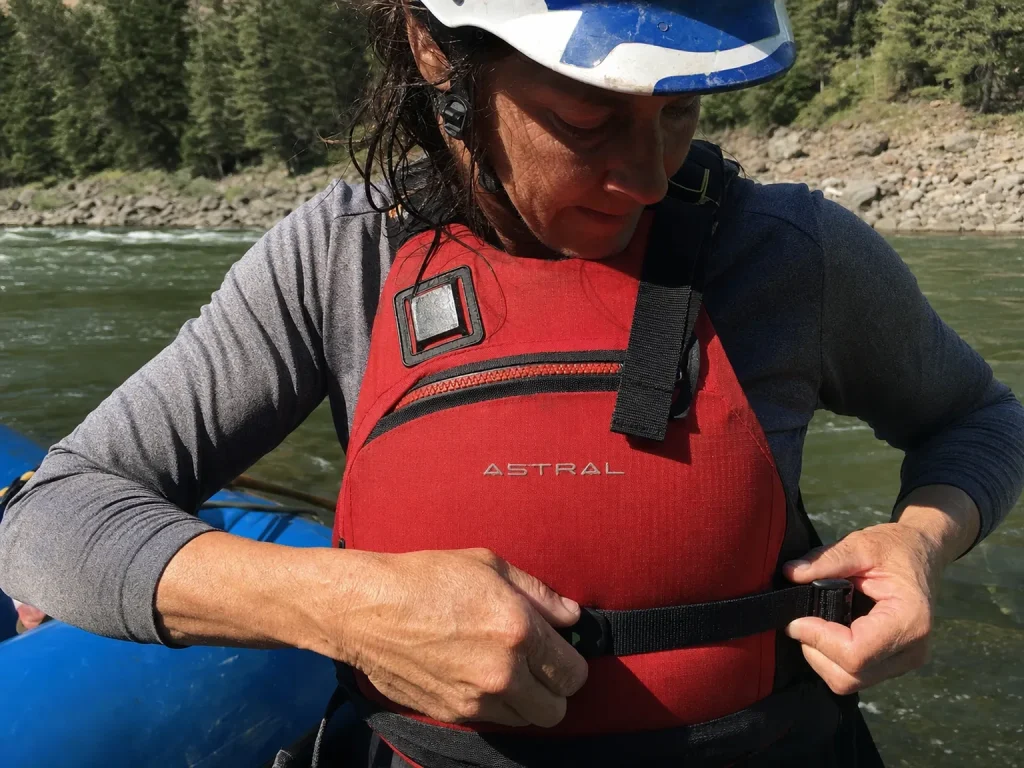
Everything above changes with the water. This part doesn’t.
A snug, Coast Guard-approved PFD and a paddling helmet are standard on whitewater in every season, at every air temperature, on every river type in this article. The season decides what goes under them. It never decides whether you wear them.
PFD Fit Matters More in Cold Water
A personal flotation device that rides up over your chin in a swim is worse than useless, and cold water is exactly where that failure costs most. Cold shock has already taken your breath control.
The National Center for Cold Water Safety warns that survival-time charts understate how fast cold shock alone can incapacitate a swimmer, which means the PFD is doing its most important work in the first thirty minutes, floating you through the gasp reflex while you can’t help yourself. Cinch the side straps until it won’t lift when someone pulls up on the shoulders. Getting that fit right is worth more than any layer underneath it.
Same for the lid. A whitewater helmet matched to your river class doesn’t get a summer exception either. Rocks are the same temperature in August.
What You Don’t Need to Buy What Outfitters Already Provide
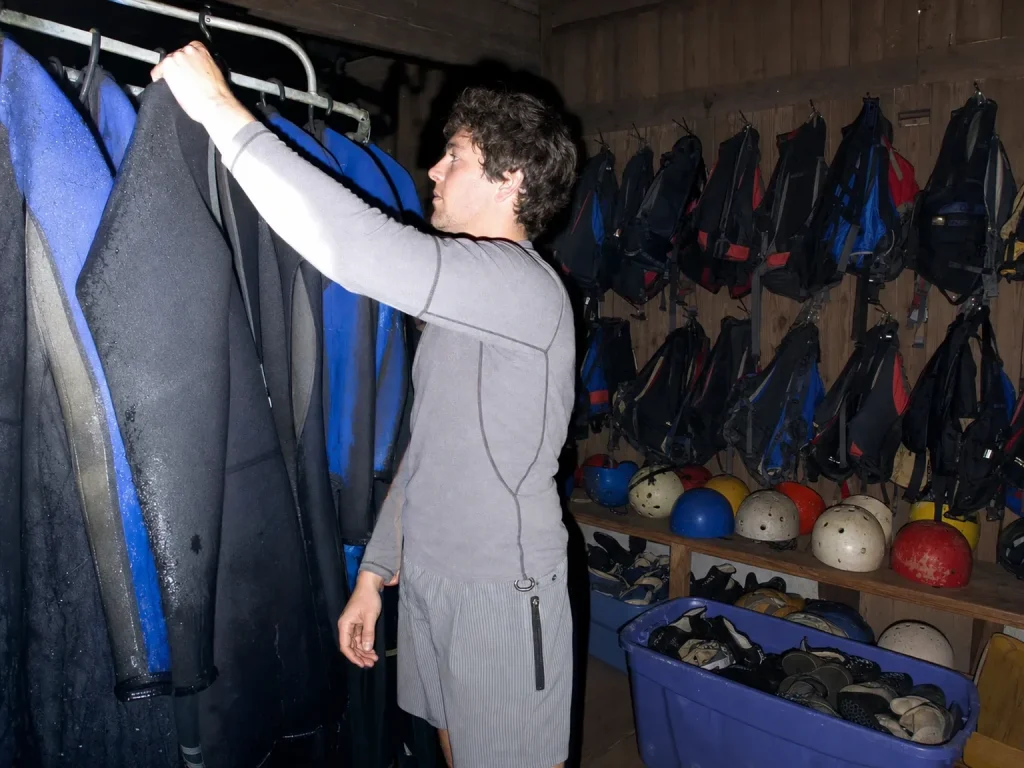
Before you spend anything on this list, know what’s already coming with your trip.
What’s Included on a Guided Trip
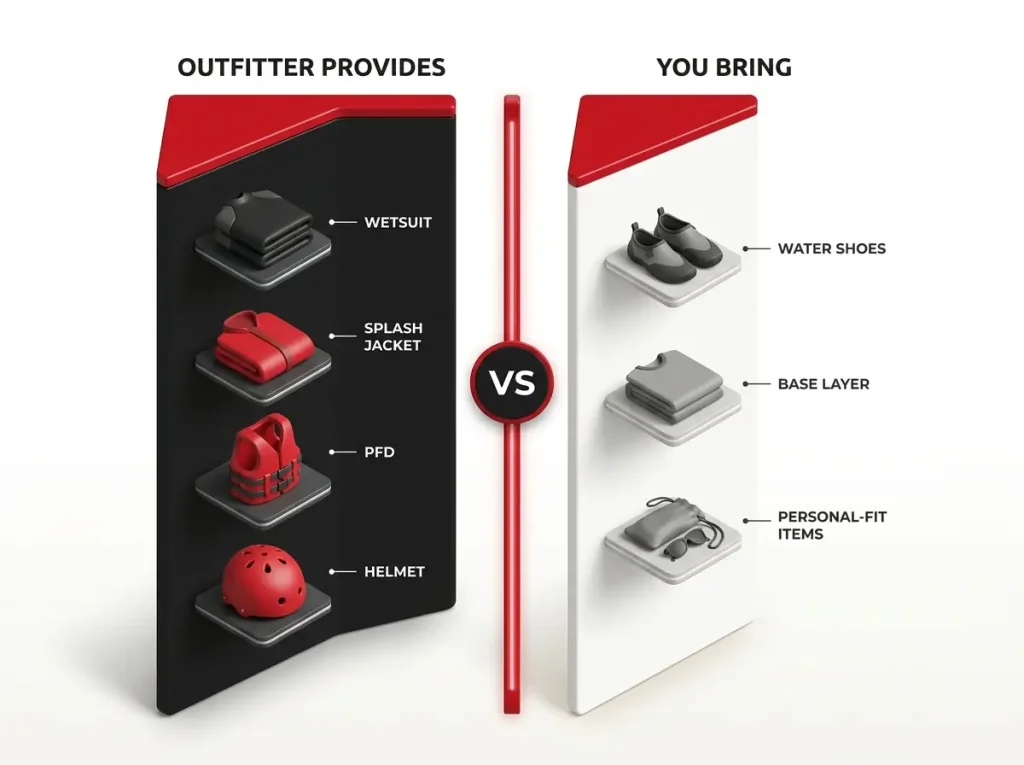
On most guided trips the wetsuit, the splash jacket, the PFD, and the helmet are outfitter-provided. You show up, they hand them to you at check-in. A first-timer who buys a wetsuit for one May trip spent money on something that was waiting in a gear shed the whole time.
What you actually bring is the base layer, the sun shirt, and the personal-fit items nobody wants to rent. The full breakdown of what an outfitter includes in a trip is worth a read before you buy a thing.
What’s Worth Owning First
If you’re boating more than once, own your water shoes and a base layer. Those are the fit-and-hygiene items where rental is genuinely worse, and they’re the cheap end of this list anyway. Everything else can wait until you know you’re actually in this sport.
When Renting Beats Buying
Rent or borrow the wetsuit and the drysuit before you buy either one. Sizing on a wetsuit is unforgiving, and how often you boat cold water decides the purchase more than any feature does. One early-season trip a year doesn’t justify a drysuit. Three seasons of runoff might.
When you do commit, used gear from a shop’s end-of-season rental sale is the same neoprene at a fraction of new, and rental suits get inspected more often than most private ones ever do.
We don’t run trips and we don’t take booking commissions, so there’s no version of this where we make money telling you to buy a wetsuit you don’t need.
Call the outfitter and ask exactly what they issue, then pack only the gaps. Most people either over-buy gear that shows up free or under-pack the one thing nobody provides, which is almost always a proper base layer. The list is usually four items long and they’ll read it to you over the phone in thirty seconds.
The Short Version
Check the water temperature and the river type before you pack anything. The calendar is a suggestion; a dam-release river runs cold in July and a snowmelt river runs cold in June some years and not others.
Summer is a sun problem and spring runoff is a cold-swim problem. Dress for the one you’re actually facing, and in the gray zone between them, layer so you can shed.
Borrow before you buy, and never put cotton anywhere near cold water.
Pull your put-in’s water temp before your next trip and dress for the swim instead of the sunshine. That one habit outranks any single piece of gear on this page.
Frequently Asked Questions
01Do you need a wetsuit to go rafting in the summer?
On a warm free-flowing river in mid-summer, usually no. A swimsuit and a quick-dry sun shirt are enough. But a dam-release river can run in the 40s in August, and an early-summer snowmelt run still counts as cold water. Check the water temperature, not the date.
02Should you dress for the air temperature or the water temperature when rafting?
The water temperature, always. You lose heat about 25 times faster in water than in air, so the water you might swim in decides whether you need a wetsuit. Air temperature only decides how comfortable you are sitting in the boat.
03What is considered too cold to raft without a wetsuit?
Water below about 70°F is the common line for a wetsuit and booties, and guides step up to a drysuit once combined air and water temperature drops under roughly 120°F. Cold shock peaks between 50°F and 59°F, where breath control goes first.
04What should you not wear white water rafting?
Cotton, in any season with cold water risk. It holds cold water against your skin and stops insulating once wet. Also skip unleashed sunglasses and open footwear like flip-flops, both of which are gone in the first rapid.
05How is dressing for a dam-release river different from a snowmelt river?
A dam-bottom-release river stays cold all year, often 45°F to 52°F, so you dress for cold water even in July. A free-flowing snowmelt river warms through the season, so the calendar tracks the water more honestly. River type tells you which applies.