
In this article
You pull on a pair of neoprene socks a half-size big because they feel roomier, wade into a 48°F put-in, and twenty minutes downstream your feet are colder than the guy next to you in bare sandals. That is not bad luck. That is flushing, and it is the most common neoprene mistake on the river. Ask around any boat ramp on a cold-water morning and the same truth keeps coming up from people who have swum a few rapids they would rather forget: fit beats thickness, every time. Here is how neoprene actually warms your feet, how to match thickness to the real water temp, when a sock beats a bootie and when it does not, the socks worth buying, and the guide tricks that keep your feet working when the water turns genuinely cold.
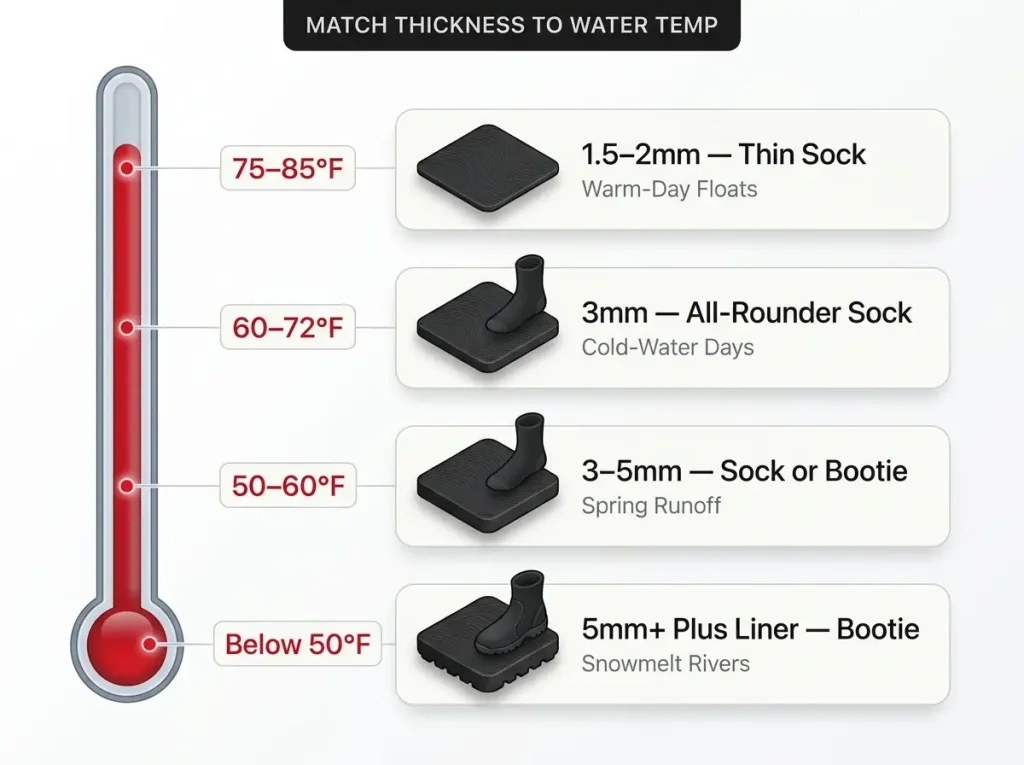
Match your neoprene thickness to the actual water temperature, not the air or the calendar.
| Water Temp | Neoprene Thickness | Sock or Bootie | Typical Rafting Use |
|---|---|---|---|
| 75–85°F | 1.5–2mm | Thin sock | Shoulder-season, warm-day floats |
| 60–72°F | 3mm | Sock | All-rounder cold-water days |
| 50–60°F | 3–5mm | Sock or bootie | Spring runoff, dam releases |
| Below 50°F | 5mm+ plus liner | Bootie | Early-season, snowmelt rivers |
How Neoprene Actually Keeps Your Feet Warm in Cold Water
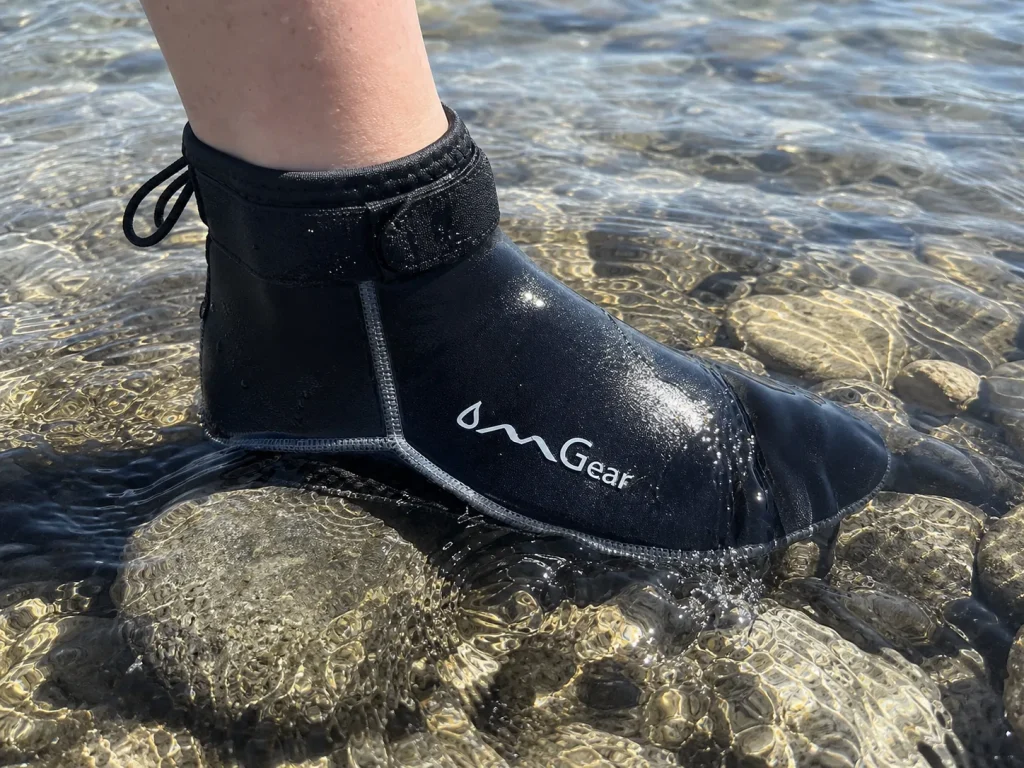
Here is the part first-timers get annoyed about: neoprene does not keep your feet dry, and it was never meant to. It traps a thin layer of water against your skin, warms it with your own heat, and that warmed water is what insulates you. Think of it as a wetsuit for your feet. That cold flush you feel the second you step in is normal, and it fades in about ten seconds once you warm up.
Wet, But Warm
Closed-cell neoprene is packed with tiny gas bubbles that slow heat loss, and the thickness of the material is really just how much of that bubble layer you are carrying. Water gets in, sure. It just does not get to keep moving. A sealed, warmed layer against your skin holds far more heat than dry cotton ever will once cotton gets wet, which on a river is within the first minute. This is the same neoprene logic that keeps your hands working when you reach for the right pair of cold-water rafting gloves on a frigid morning.
Why Thickness and Fit Do Different Jobs
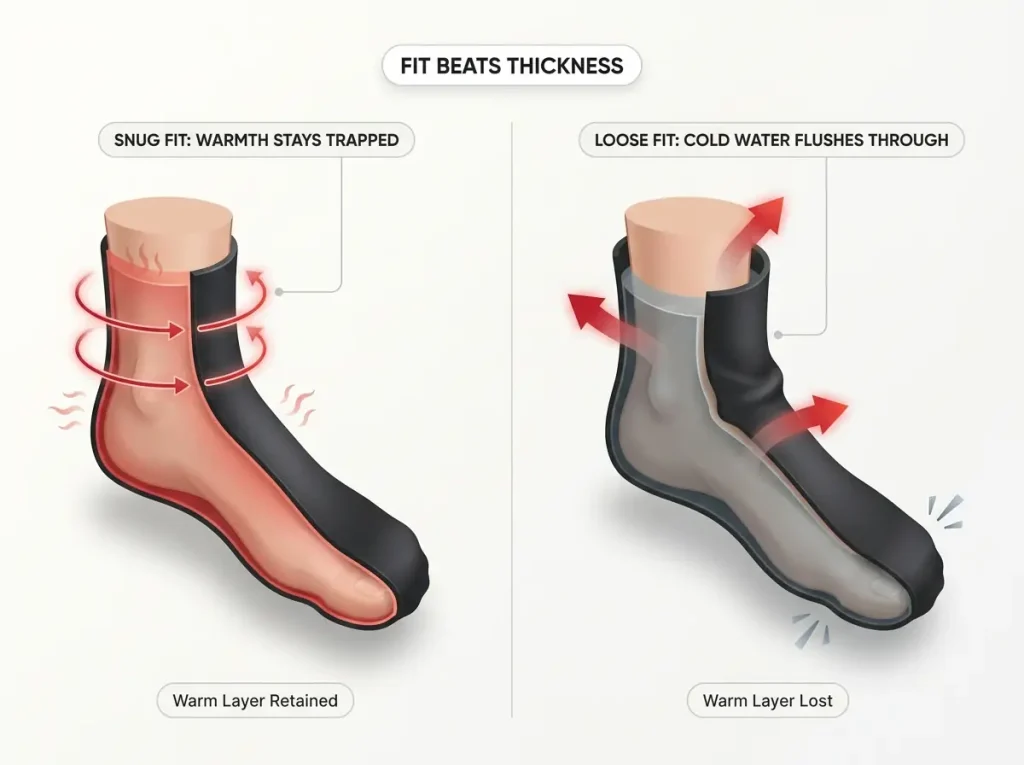
Thickness sets your ceiling. Fit decides whether you ever reach it. A thick sock that fits loose keeps swapping your warmed water for fresh cold current, so you never bank the heat you paid for. A thin sock that seals well holds its layer and quietly outperforms the bigger one. Keep those two levers separate in your head, because the next section is where most people accidentally cancel out their own thickness.
Why a Loose Sock Freezes You Faster Than Bare Feet
This is the mistake that sends people back to the shop confused. They bought thick socks, sized up for comfort, and still finished the day with numb toes. The culprit has a name on the water: flushing.
What Flushing Actually Feels Like
Flushing is cold water cycling in and out of a loose sock faster than you can warm it. Every kick, every step, every shift of your foot pumps a little fresh cold water in and pushes your warmed layer out. Your feet never get the still, heated pocket that makes neoprene work. Boaters on paddling forums put it bluntly: a loose-fitting neoprene sock can chill your feet faster than going bare, because at least bare skin is not pumping a cold-water bellows against itself. As the National Weather Service explains, cold shock hits just as hard at 50 to 60°F as it does near freezing, so numb feet on a “mild” spring day are not a small comfort issue. If you have Raynaud’s syndrome or just run cold in the hands and feet, the flush comes on faster and fit matters even more for you.
How to Size Neoprene Socks (Snug, Not Roomy)
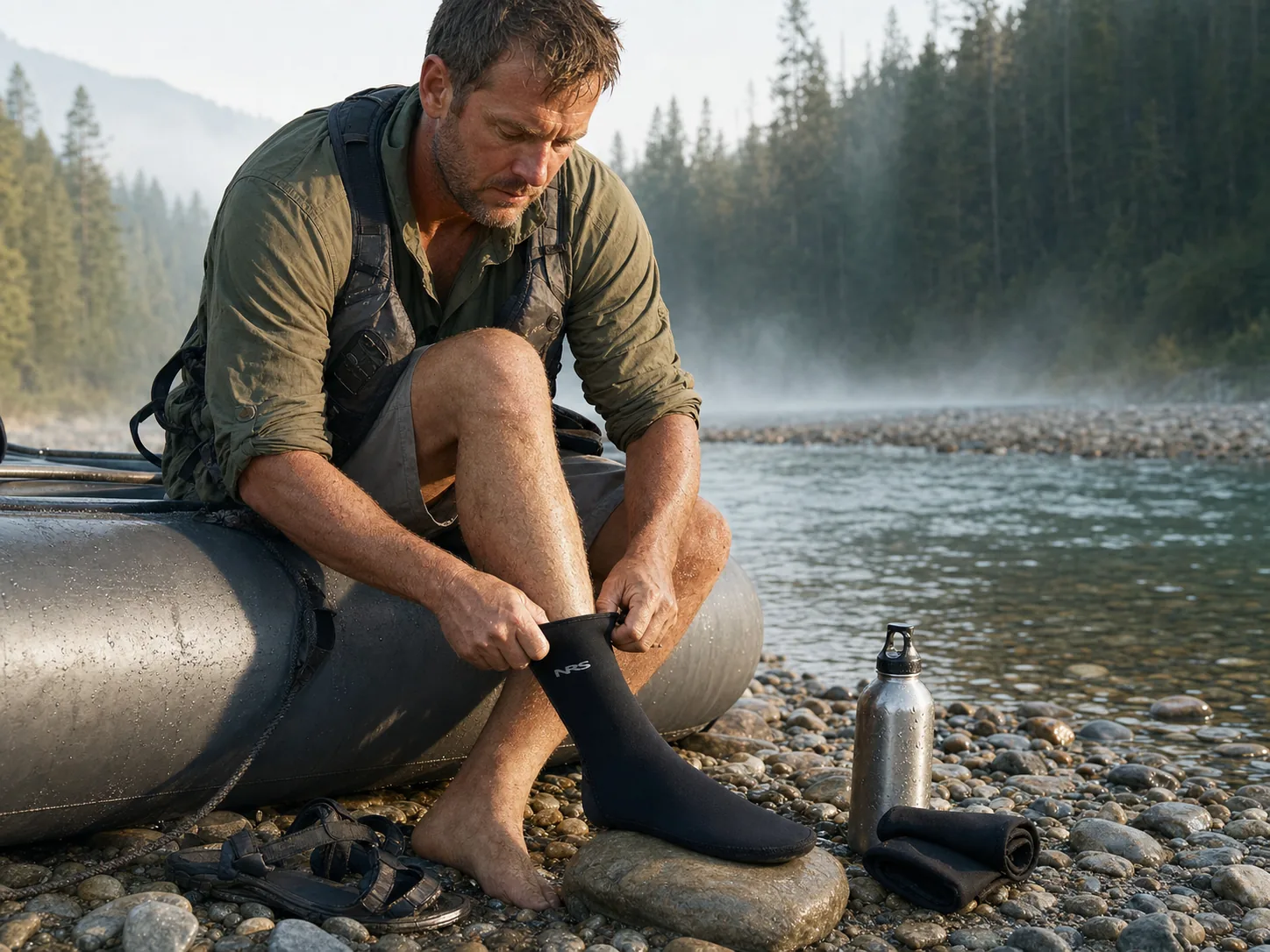
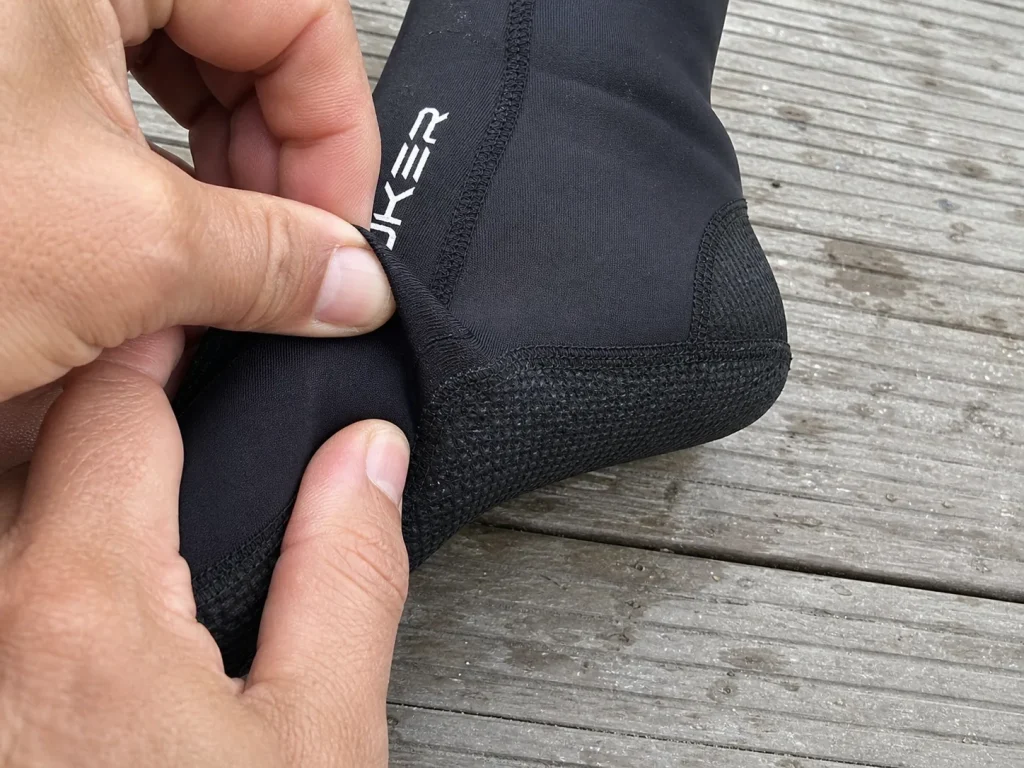
Buy neoprene socks snug enough that they feel like a second skin, not a gym sock. There should be no bunching at the toe, no gap at the ankle, no slack you can pinch away from your foot. A snug 3mm sock beats a loose 5mm one, and a snug budget sock beats a loose premium one. The fit is the product. If you are between sizes, size down before you size up.
You know a neoprene sock fits right when you stop noticing your feet after the first minute. If they are still getting colder at minute ten, the sock is flushing, and no amount of extra thickness will fix a fit that lets water move.
Matching Neoprene Thickness to Water Temperature
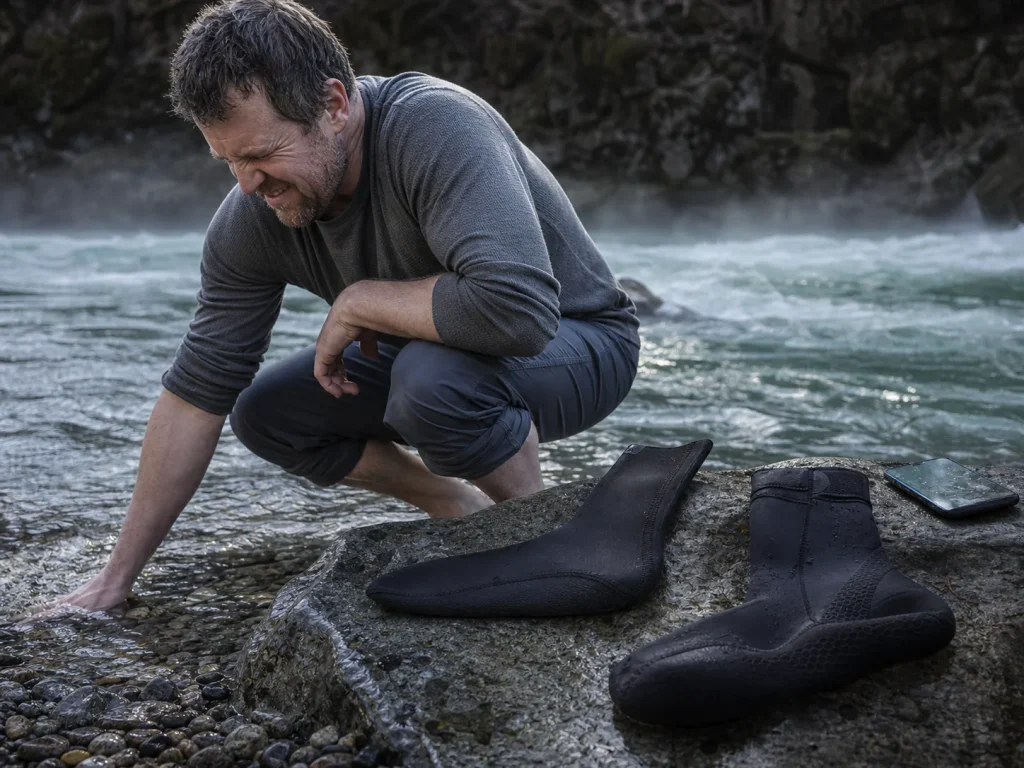
Once the fit is dialed, thickness is your other lever, and the mistake here is reading the wrong thermometer. The air can be warm while the water is still running cold off the snowpack.
The Thickness Bands That Actually Matter
The rough industry bands are simple enough to memorize. Around 1.5 to 2mm handles warm water in the high 70s and 80s. A 3mm sock is the all-rounder for roughly 59 to 72°F, which covers most cold-water rafting days. Below about 50°F, for extended immersion, you want 5 to 7mm or a full bootie. The numbers are not academic: in comparative diving tests, 3mm socks numbed toes around 40 minutes in 54°F water, while 5mm held out closer to 70 minutes. On an all-day float, that 30-minute gap is the difference between warm feet at lunch and numb feet by the first big rapid.
Why Water Temp Beats Air Temp Every Time
Check the gauge, not the forecast. Below a dam or on a snowmelt-fed river, the water can run 20 degrees colder than the air, and commercial outfitters like OARS frame early-season gear around a combined air-and-water number for exactly that reason. The classic story is the June first-timer who feels the warm morning, assumes the water matches, wades into a snowmelt put-in in cotton socks, and is numb within minutes. This is the same dress-for-the-water rule that governs everything you put on for a cold run, and it is worth understanding the combined air-and-water temperature rule that decides your whole cold-water kit before you pick a thickness.
Socks, Booties, or a Sock-Plus-Shoe Setup
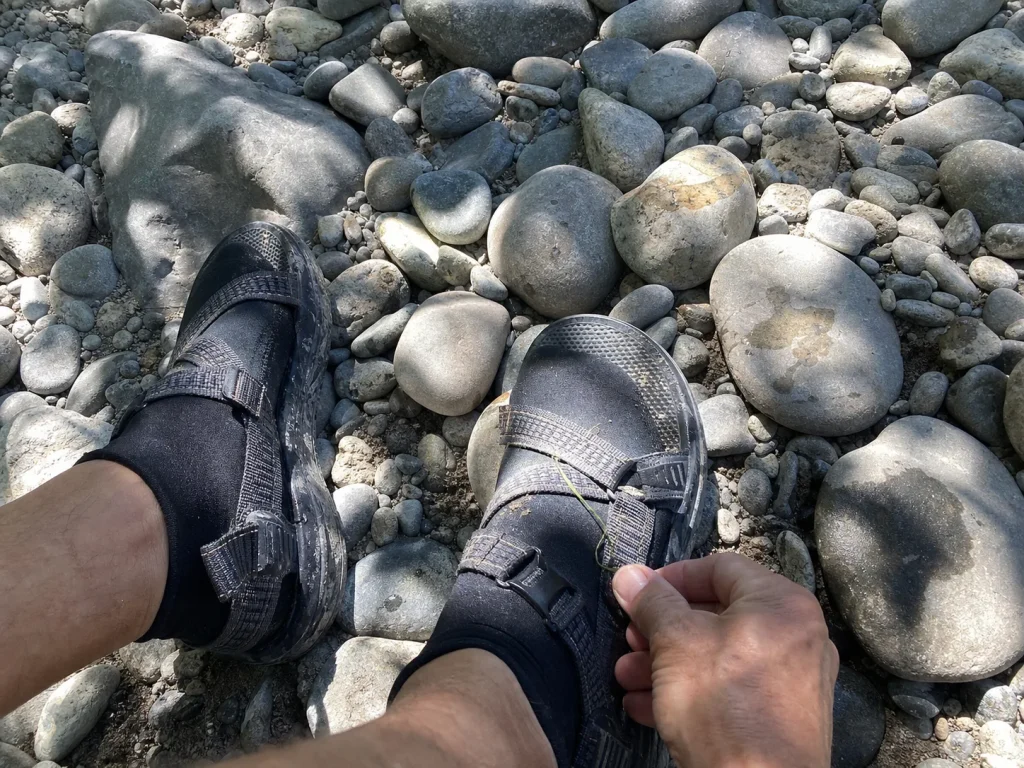
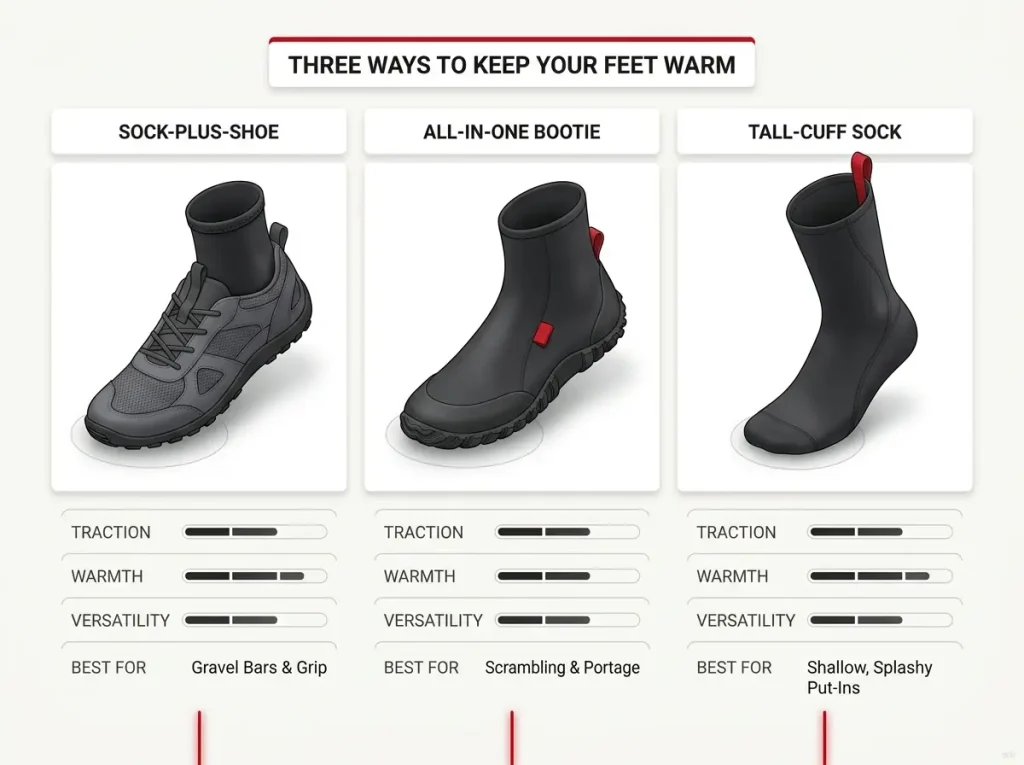
Walk any boat ramp on a cold morning and you will see three setups, each right for a different person. Knowing which one you are is half the buying decision.
When a Sock-Plus-Shoe Setup Wins
The most versatile option is a neoprene sock worn under a separate river shoe or sandal, what boaters call the two-shoe camp system. A sock under a real river shoe usually gives you more traction and support than an all-in-one bootie’s built-in sole, which matters the moment you are scrambling over a gravel bar or portaging around a rapid. The sock handles warmth, the shoe handles grip, and you can swap the shoe for dry camp footwear at the takeout. If you go this route, the river shoe you pair them with matters as much as the sock, so it is worth matching them to a pair of water shoes that actually stay on.
When You Actually Want a Full Bootie
A full bootie earns its place when you want one piece of gear and real rubber tread underfoot. For trips heavy on rock scrambling or portaging, a lugged sole beats a soft sock every time, and there is no strap to fuss with at a cold put-in. The trade is versatility: a bootie is a committed piece, and it is warmer than most people need on an average summer float. If you run a drysuit, note that drysuit booties are built into the suit and still want a thin sock underneath, so this decision is really for everyone else.
The Tall-Cuff Case for Gravel Put-Ins
Low-cut socks let water and grit pour in the moment you wade a shallow put-in. A tall-cuff sock seals higher up the calf and keeps the gravel-bar splash out, which is a genuinely rafting-specific problem that beach and diving socks never have to solve.
If your trip involves a lot of scrambling over gravel bars or portaging, run a snug neoprene sock under a real river shoe instead of an all-in-one bootie. You get the sock’s warmth and the shoe’s tread, and you can pull the shoe off at camp while your feet stay warm.
Best Everyday Neoprene Socks for Cold-Water Rafting
If you are buying one pair, start here. These are the socks most rafters actually need, sorted by thickness and budget. Every one of them lives or dies by fit, so size snug no matter which you pick.
Best Overall: NRS 2mm Outfitter Socks
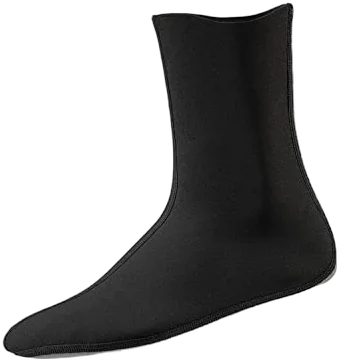
For the widest range of everyday floats, the NRS 2mm Outfitter Socks are the pick I would hand a new boater first. The 2mm thickness covers the milder cold-water and shoulder-season days most people raft, without the bulk that makes a 5mm sock feel like a cast under a river shoe. For genuinely cold water down in the 50s, size up to the 3mm or 5mm picks below. It slides under a sandal or a water shoe cleanly, and the flatlock seams sit flat against your skin so the sock seals. It is mid-range, not the cheapest option here, but it is the one you will reach for most seasons.
Best Budget: XUKER 3mm Neoprene Water Socks
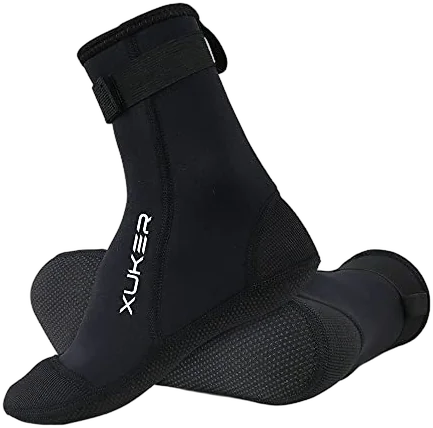
If you raft a handful of cold days a year and cannot see spending premium money on your feet, the XUKER 3mm Neoprene Water Socks are the honest budget answer. At 3mm they handle genuine cold-water days, and the thing that decides warmth, a snug seal, does not cost extra. Buy them a touch snug and they hold their own against socks two and three times the price. The low cut means they are not your pick for a gravel-bar put-in, which is what the next section is for.
Coldest Water: OMGear Neoprene Water Socks
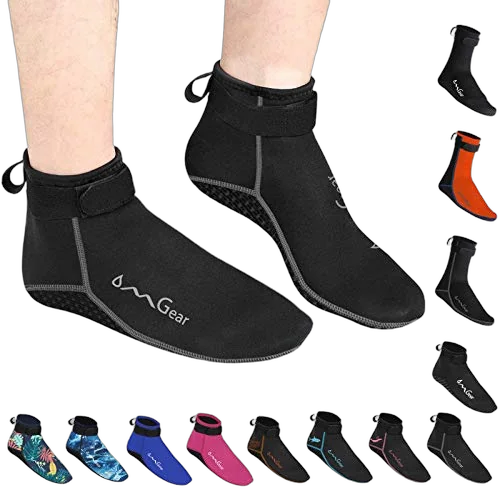
When the water drops below 50°F on an early-season or snowmelt run, thickness starts to matter as much as fit, and the OMGear Neoprene Water Socks come in a 5mm option that buys you the extra time a 3mm sock cannot. The blind-stitched seam holds the trapped-water layer well, and the price stays friendly for a thickness that usually costs more. If the listing gives you a choice, grab the 5mm for cold work and save the thinner versions for milder days.
Shoulder Season: NRS Hydroskin 0.5 Socks
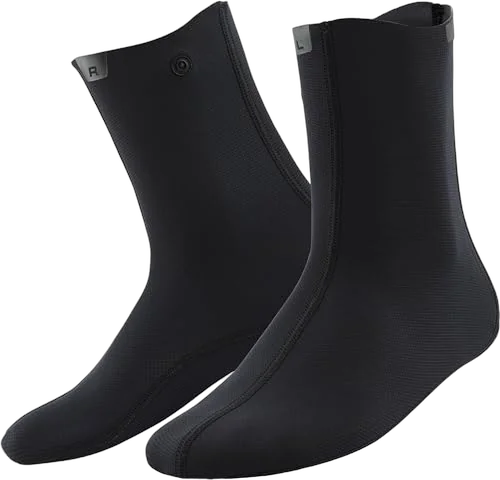
For warm-day floats where full neoprene would cook your feet, or as a liner under a thicker bootie when the water turns cold, the NRS Hydroskin 0.5 Socks are the thin, flexible option. At 0.5mm they take the edge off cool water without the bulk, and they slide under almost any river shoe without changing your fit. Their second job, as a base layer under a bootie, is where they shine on genuinely cold runs, which the guide-trick section gets into.
Rafting-Specific Sock Picks Worth Knowing
These two solve a rafting problem, not a beach problem. If your put-ins mean wading gravel bars or your setup is a sock under a sandal, these are built for exactly that.
Best for Gravel Put-Ins: NRS Neoprene Boundary Socks with HydroCuff
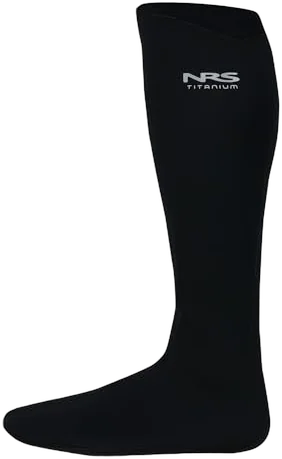
The NRS Neoprene Boundary Socks with HydroCuff are built for the exact moment a low sock fails: wading a shallow, gravelly put-in where water and grit slop in over the ankle. The 18-inch cuff seals up your calf so the splash stays out, and the 3mm neoprene keeps things warm once you are aboard. This is a premium pick, and I would only steer you to it if your regular launches mean wet, rocky wades. For a dock or a deep-water put-in, a standard sock is plenty.
Best for the Sandal System: NRS Sandal Socks
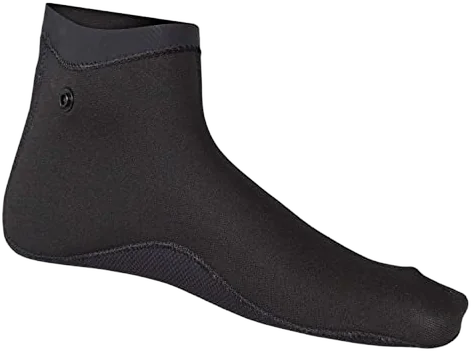
If you run the two-shoe system, the NRS Sandal Socks are the sock built for it. The strap loop keeps a sandal’s toe post from digging in, so the whole setup sits comfortably through a long day on the oars. At 2mm with a titanium laminate for a touch of extra warmth, it pairs cleanly with a river sandal for warmth up top and grip underneath. It is the sock that makes the sandal-over-sock approach actually pleasant instead of a compromise.
Booties and the Dry-Sock Alternative
For the day a sock is not enough, you have two routes: a full bootie with real tread, or a dry sock for people who cannot stand the wet-foot feel. Most rafters do not need either, but when you do, these are the picks.
Best for Scrambling: NRS Kicker Wetshoes
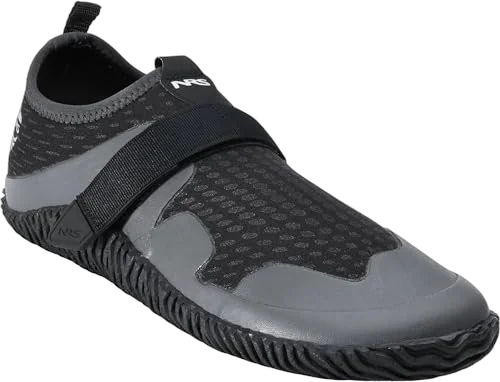
When your trip has real scrambling or portaging in it, a sock under a shoe stops being enough and you want a committed bootie. The NRS Kicker Wetshoes give you a 3mm neoprene upper for warmth and a full rubber tread that grips wet rock, so you are not tiptoeing across a slick boulder in socks. They come in a men’s fit and a women’s fit, so grab the one that matches, since the lasts are shaped differently. This is more shoe than an average summer float needs, but for a portage-heavy run it is the difference between confident footing and a careful shuffle.
The Dry-Sock Alternative: RANDY SUN Waterproof Socks
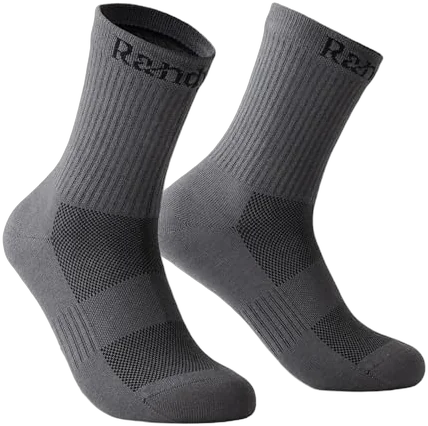
For boaters who genuinely can’t stand wet feet, the RANDY SUN Waterproof Socks take a different path entirely. Instead of trapping and warming water like neoprene, a 3-layer waterproof membrane keeps water out, the same idea as a Gore-Tex sock, and you pair it with a thin wool liner underneath for warmth. The honest caveat: a waterproof sock works best against splash and shallow standing water, not full-day submersion, where enough water eventually finds the top. For splashy floats and cold camp mornings, it is a genuinely different comfort story, and it sets up the layering system in the next section.
The Guide Trick for Genuinely Cold Mornings
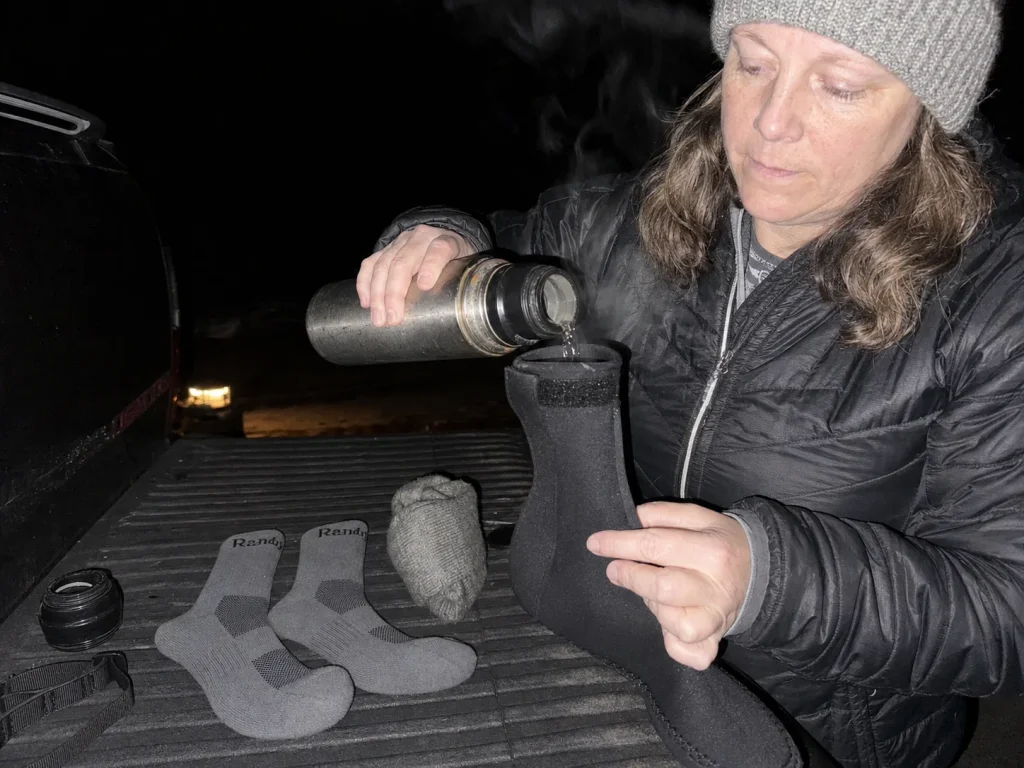
When the water is truly cold, thickness and fit take you most of the way, and two old field tricks take you the rest. Guides use both, and first-timers usually laugh until they try them.
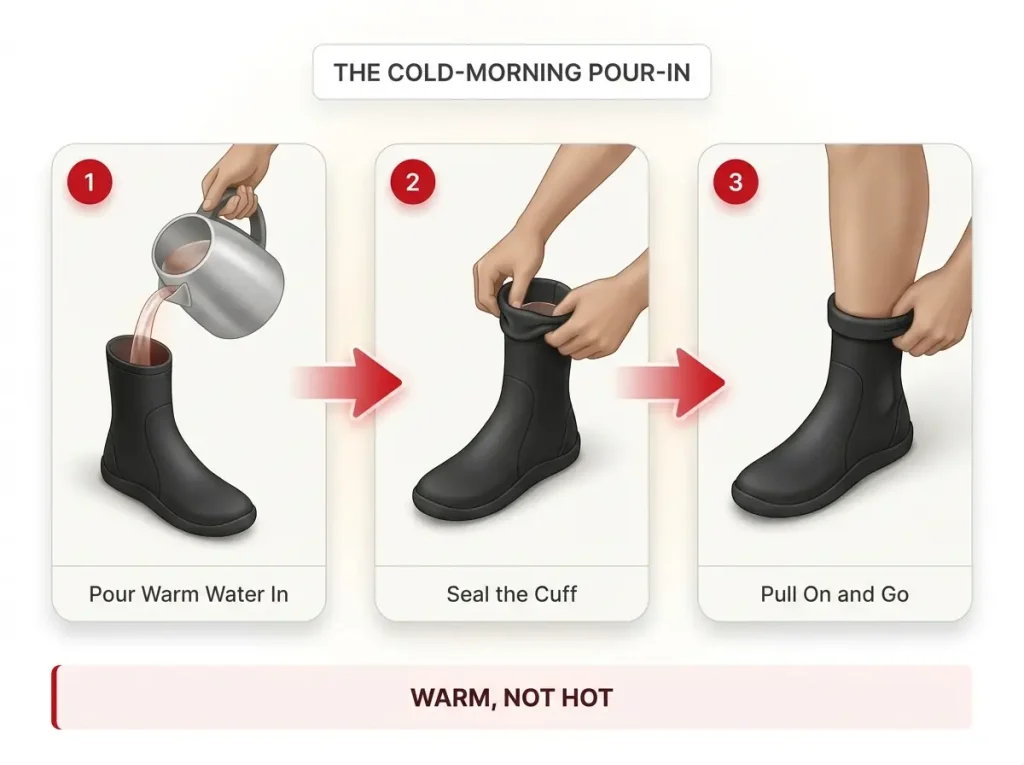
The Warm-Water Pour-In (Warm, Not Hot)
Before a cold-morning launch, pour warm water into your socks or booties, then pull them on. A taped or glued seam holds that warmth for a surprisingly long stretch because it is now working with the neoprene’s own trapped-water mechanism instead of against it. The one rule boaters on the river-guide forums repeat: warm, not hot. Water that is too hot slowly degrades the neoprene glue over repeated seasons, so you are trading a little morning comfort for the life of your gear.
The guide move on a frigid morning is to pour warm water into the booties right before the first launch, seal them, and pull them on. Keep it warm, never hot. Hot water feels great for two minutes and quietly cooks the seams over a few seasons.
Adding a Wool Liner Before You Reach for Batteries
A thin wool or synthetic liner sock worn under your neoprene is the warmest non-powered foot setup there is, and experienced boaters reach for it before any battery-heated gear. The liner adds a dry-ish insulating layer against your skin, and the neoprene seals the warmth in. This is the same skin-out layering logic that governs the rest of your cold-water kit, and the never-cotton rule that applies to your base layers applies to your liner socks too. If you went the dry-sock route above, the wool liner pairs with it even more naturally than with neoprene.
What Happens to Your Feet in an Actual Swim
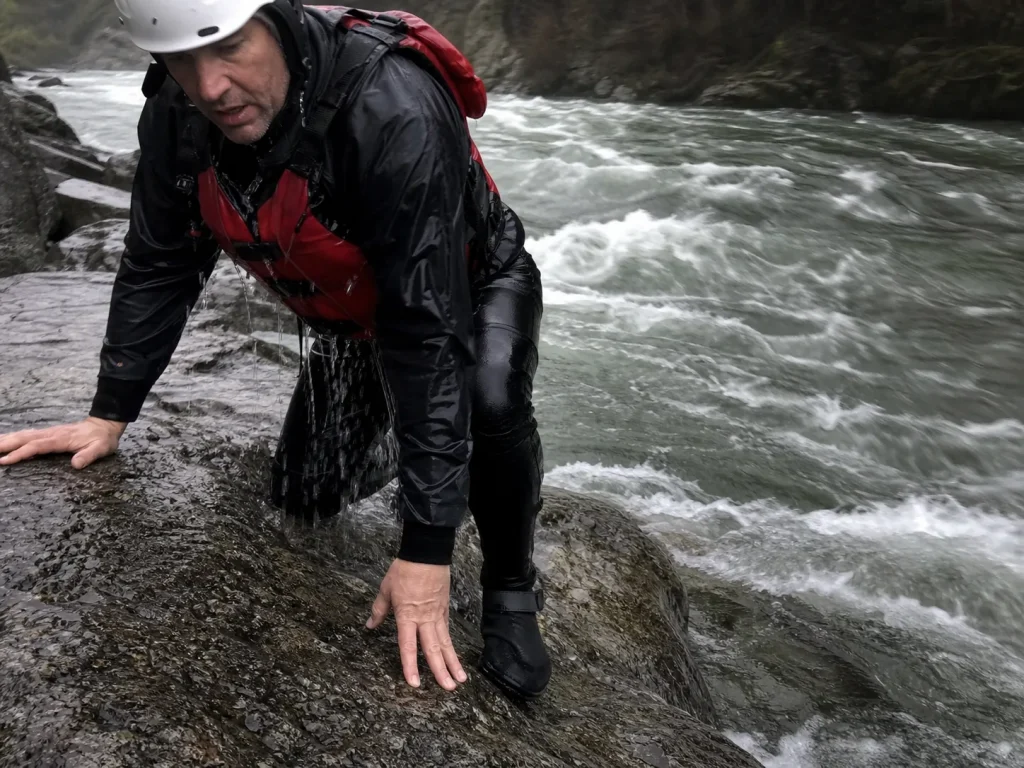
Every boater goes for a swim eventually, and that is the moment your sock choice actually gets tested. No standing-in-the-shallows review ever covers this, but it is the whole point on whitewater.
Why Fit Becomes a Safety Issue Underwater
The instant you go under, a loose sock flushes full of cold current, and a snug one is what holds its warmed layer through the chaos. This is where fit stops being about comfort and becomes a margin issue. Cold feet are an early link in a chain: cold shock first, then loss of coordination, then hypothermia. Per the Coast Guard’s cold-water survival guidance, most cold-water incidents happen in the stages before hypothermia technically sets in, which is exactly when you need your hands and feet working to self-rescue. A rafter who swims a rapid and only realizes at shore that their loose socks flushed full of 40°F water the moment they went under has learned this the expensive way.
Keeping Your Footwear On Through a Swim
A violent flush can pull a loose slip-on sock or bootie right off your foot, which leaves you barefoot on a rocky swim to shore. A snug sock with a secured cuff, or a bootie with a strap, stays on when the water grabs at it. This is one more reason the tall-cuff and strap-loop socks earn their keep on serious water. If a swim does happen, the priority is getting to shore in the defensive swim position that keeps your feet downstream, and once you are out, knowing how to warm someone back up after a cold swim matters more than any sock.
On water where a swim is a real possibility, favor a snug sock with a tall or strapped cuff over a roomy slip-on. It is the difference between reaching shore with your footwear on and finishing the swim barefoot over rock.
The Bottom Line on Neoprene Socks and Booties
Fit beats thickness. A snug budget sock will outwarm a loose premium one every single time, so buy for the seal before you buy for the number. Match that thickness to the water gauge, not the warm air or the calendar, especially on a snowmelt or dam-fed river where the water runs far colder than the day feels. And pick your setup for your reality: a sock-plus-shoe or a tall-cuff sock solves the gravel-bar and traction problems that beach socks were never built for.
Before your next cold run, check the put-in water temp, pull your socks on snug, and try the warm-water pour-in on a frigid morning. Your feet will still be working at the takeout, which is the whole point.
Frequently Asked Questions
01Do you really need neoprene socks for rafting?
On cold water, yes. Bare feet or cotton socks lose heat fast and stop working within minutes at a snowmelt put-in. On warm summer floats above roughly 75°F water you can often skip them. Match the call to the water temp, not the air.
02Are 3mm or 5mm neoprene socks better for cold-water rafting?
Use 3mm for roughly 60 to 72°F water and 5mm for extended immersion below 50°F. In testing, 3mm socks numbed toes near 40 minutes in 54°F water versus about 70 minutes in 5mm, so go thicker for all-day cold floats.
03Neoprene socks or a full bootie for whitewater?
A snug sock under a river shoe wins for versatility and gravel-bar traction. A full bootie with a rubber tread wins for rock scrambling and portages. For most rafters, a sock-plus-shoe setup covers more situations.
04Can you wear neoprene socks with river sandals or water shoes?
Yes. That is the two-shoe or sandal-over-sock system many guides use. A purpose-built sandal sock with a strap loop stays put better than a plain sock, and the combo often beats an all-in-one bootie for grip on gravel.
05How do you keep your feet warm on a cold rafting trip?
Start with a snug, never loose, neoprene sock sized to the water temp. Add a thin wool liner underneath for genuinely cold water, and pour warm, not hot, water into the sock before launch. Fit and layering do more than raw thickness.